
Overcome Dental Anxiety with Comfortable Sedation Dentistry
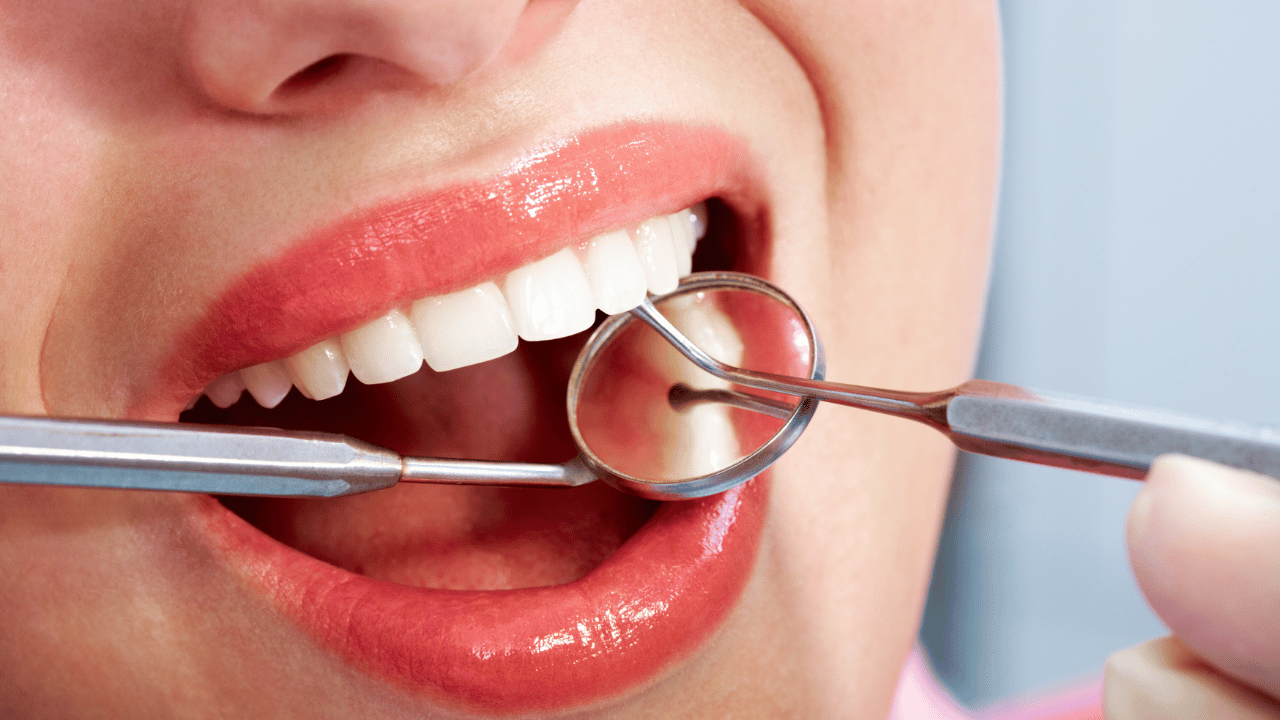
Dental anxiety affects a significant portion of the population, making routine dental visits a source of stress and fear. This article delves into the world of comfortable sedation dentistry, specifically designed for anxious patients. By understanding the various sedation options available, their benefits, and how they can transform the dental experience, readers will gain valuable insights into achieving pain-free dentistry. Sedation dentistry not only alleviates anxiety but also enhances the overall treatment experience, allowing patients to receive necessary care without distress. We will explore the types of sedation available, the benefits and safety measures associated with them, preparation and recovery guidelines, patient testimonials, and how to schedule an appointment at Tulsa Time Dental Design.
TL;DR
Sedation dentistry offers a stress-free solution for anxious patients, ensuring comfortable and pain-free dental visits.
Options include nitrous oxide, oral sedation, and IV sedation, tailored to individual anxiety levels and procedure needs.
It benefits anyone with dental anxiety, phobia, or those undergoing extensive treatments, transforming their dental experience.
Safety is paramount, with procedures performed by trained professionals following strict protocols and patient eligibility checks.
Tulsa Time Dental Design specializes in personalized, anxiety-free dental care, prioritizing patient comfort and well-being.
What Is Sedation Dentistry and How Does It Relieve Dental Anxiety?
Sedation dentistry is a specialized approach that uses medication to help patients relax during dental procedures. This method effectively alleviates dental anxiety, allowing individuals to undergo necessary treatments without the associated stress. By utilizing various sedation techniques, patients can experience a pain-free and comfortable dental visit. The primary benefit of sedation dentistry lies in its ability to create a calm environment, enabling patients to receive the care they need without fear or discomfort.
Understanding Dental Anxiety and Its Impact on Oral Health
Dental anxiety is a common condition that can significantly impact oral health. Many individuals experience fear or apprehension about dental visits, leading to avoidance of necessary care. Statistics indicate that approximately 36% of adults experience some level of dental anxiety, with about 12% suffering from extreme dental fear, which can result in untreated dental issues and deteriorating oral health. This avoidance can lead to more severe problems, including tooth decay and gum disease, making it crucial to address dental anxiety effectively.
Research further underscores the critical need to address dental anxiety, as it often leads to patients avoiding essential dental care.
Conscious Sedation for Dental Anxiety Management
Dental anxiety is a condition associated with avoidance of dental treatment and increased medical and surgical risks. This systematic review aims to summarize available evidence on conscious sedation techniques used for the management of Dental anxiety in patients scheduled for third molar extraction surgery, to identify best approaches and knowledge gaps.
Conscious sedation for the management of dental anxiety in third molar extraction surgery: a systematic review, M Melini, 2020
Addressing these concerns is vital for long-term well-being. For those facing significant dental challenges, restorative dentistry offers solutions to repair and restore damaged teeth, ensuring both function and aesthetics.
How Sedation Dentistry Provides Anxiety-Free Dental Care
Sedation dentistry employs various techniques to ensure a comfortable experience for patients. Options such as nitrous oxide, oral sedation, and IV sedation are designed to help patients relax and minimize discomfort during procedures. Nitrous oxide, commonly known as laughing gas, provides a light sedative effect, while oral sedation involves taking medication prior to the appointment to induce relaxation. IV sedation offers a deeper level of sedation, allowing patients to remain conscious yet deeply relaxed throughout the procedure. These methods collectively contribute to an anxiety-free dental care experience.
Indeed, the core purpose of these sedation methods is to help patients overcome their fears and comfortably undergo necessary dental work.
Inhalational & IV Sedation for Dental Anxiety
The main objective of sedation is to enable patients to tolerate dental procedures. Sedation is aimed at reducing or eliminating patient anxiety or fear of dental procedures and providing
Use of inhalational and intravenous sedation in dentistry, 1997
Which Dental Sedation Options Are Available for Comfortable Treatment?
Oral Sedation Dentistry: Procedures and Patient Experience
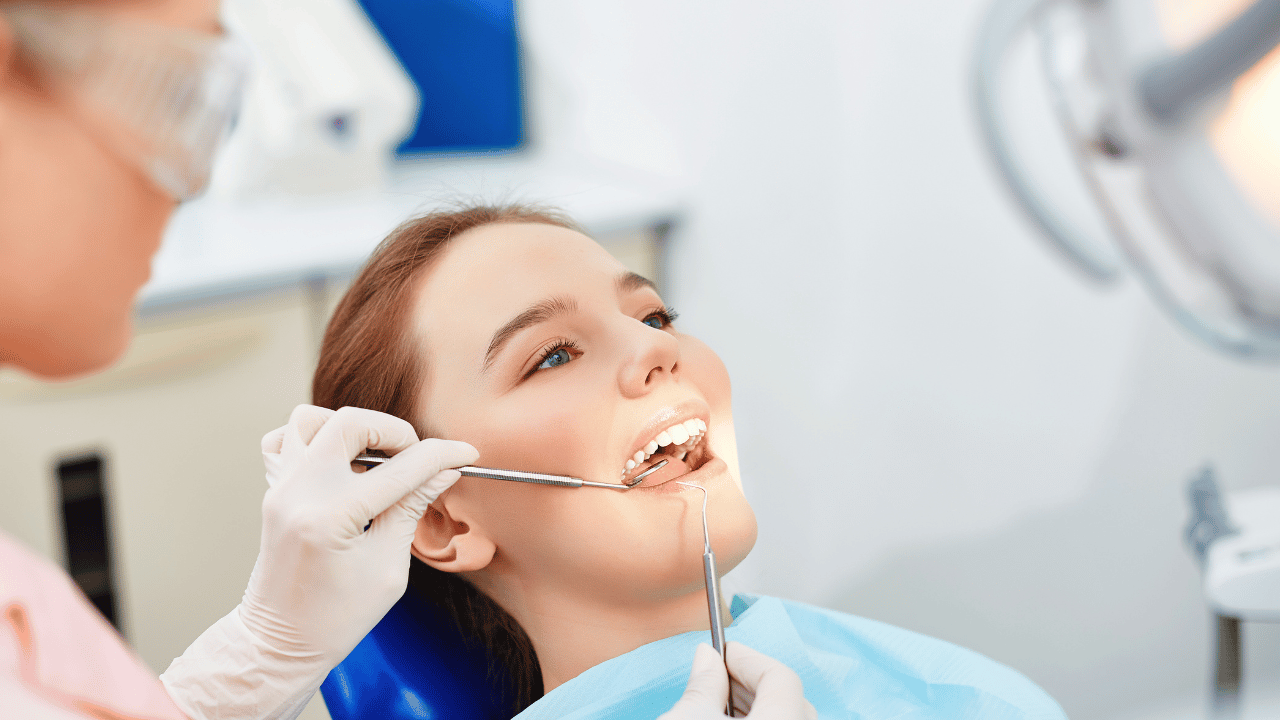
Oral sedation dentistry involves taking a prescribed sedative medication before the dental appointment. This method allows patients to feel relaxed and calm as they arrive for their treatment. The effects of oral sedation can vary, but many patients report feeling drowsy and less aware of their surroundings during the procedure. This approach is particularly beneficial for those with mild to moderate anxiety, as it provides a comfortable experience without the need for needles or intravenous lines.
IV Sedation Dentistry in Tulsa: Benefits and Safety Considerations
IV sedation dentistry offers a deeper level of sedation, making it suitable for patients with higher levels of anxiety or those undergoing more complex procedures. This method allows for precise control over the sedation level, ensuring patients remain comfortable throughout their treatment. Safety is a top priority, and IV sedation is administered by trained professionals who monitor patients closely during the procedure. This approach not only alleviates anxiety but also enhances the overall efficiency of dental treatments.
What Are the Benefits and Safety Measures of Sedation Dentistry?
Key Benefits of Sedation Dentistry for Anxious Patients
Reduction of Anxiety: Sedation techniques effectively minimize feelings of fear and apprehension, allowing patients to undergo necessary treatments without distress.
Pain Management: Sedation dentistry enhances pain control, ensuring that patients experience minimal discomfort during procedures.
Improved Patient Experience: By creating a calm and relaxed environment, sedation dentistry contributes to a more positive overall dental experience, encouraging regular visits.
Safety Protocols and Patient Eligibility for Sedation Procedures
Safety is paramount in sedation dentistry. Before undergoing sedation, patients are thoroughly evaluated to determine their eligibility. Factors such as medical history, current medications, and overall health are considered to ensure a safe experience. Additionally, sedation procedures are performed in a controlled environment, with trained professionals monitoring patients throughout the process. This commitment to safety helps mitigate risks and ensures a successful outcome.
Emphasizing this commitment to patient well-being, comprehensive guidelines ensure that sedation is administered safely and effectively.
Safe Sedation Practices & Patient Preparation
This practical guide has been developed to ensure safe and effective sedation performed in adult patients outside of the operating room, for instance in intensive care units and dental treatment rooms and in the field of palliative care. The sedationist should evaluate the risks of the planned procedure, explain the sedation process to the patient, and obtain the patient’s informed consent. Major parameters to be evaluated preoperatively are the patient’s airway and general condition. Equipment, instruments, and drugs necessary for emergency situations should be defined and routinely maintained. To prevent aspiration, patients scheduled for moderate or deep sedation should fast preoperatively.
Practical guide for safe sedation, 2023
How to Prepare for and Recover from Sedation Dentistry?
Patient Preparation Guidelines for Oral and IV Sedation
Pre-Sedation Instructions: Patients are advised to avoid eating or drinking for a specified period before their appointment, typically 6 to 8 hours for IV sedation and 2 hours for nitrous oxide.
Dietary Restrictions: Certain medications may require dietary adjustments, which should be discussed with the dental team.
Transportation Arrangements: Patients receiving sedation should arrange for a responsible adult to accompany them home, as the effects of sedation can linger.
Post-Procedure Care and Sedation Recovery Tips
Rest and Recovery: Patients should take time to rest and allow the effects of sedation to wear off.
Signs of Complications: Monitoring for any unusual symptoms or complications is crucial, and patients should contact their dental provider if concerns arise.
Follow-Up Instructions: Adhering to any follow-up care instructions provided by the dental team ensures a smooth recovery process.
What Do Patients Say About Their Sedation Dentistry Experiences?
Real Patient Testimonials on Anxiety-Free Dental Care
Many patients have shared positive experiences regarding sedation dentistry. They often report feeling significantly more relaxed during their appointments and express gratitude for the compassionate care provided by dental professionals. These testimonials highlight the transformative impact of sedation dentistry on individuals who previously struggled with dental anxiety.
Common Questions and Answers About Sedation Dentistry
Is sedation dentistry safe? Yes, sedation dentistry is safe when performed by trained professionals who follow established protocols.
Will I be unconscious during the procedure? Most sedation techniques allow patients to remain conscious but relaxed, with the ability to respond to questions.
How long do the effects of sedation last? The duration of sedation effects varies based on the method used, but patients are typically advised to rest until fully alert.
How to Schedule Your Comfortable Sedation Dentistry Appointment in Tulsa?
Easy Appointment Process at Tulsa Time Dental Design
At Tulsa Time Dental Design, the appointment process is designed to be user-friendly. Patients can easily schedule their visits by contacting the office directly. The staff is dedicated to providing personalized care and will guide patients through the necessary steps to ensure a smooth experience.
What to Expect During Your First Sedation Dentistry Visit
During the first visit, patients can expect a comprehensive consultation to discuss their dental needs and sedation options. The dental team will explain the procedure, address any concerns, and ensure that patients feel comfortable and informed. This initial visit sets the stage for a positive sedation dentistry experience, allowing patients to embark on their journey toward anxiety-free dental care.
Sedation dentistry offers a transformative solution for anxious patients, allowing them to receive necessary dental care without fear or discomfort. By understanding the various sedation options, their benefits, and the preparation and recovery processes, individuals can make informed decisions about their dental health. At Tulsa Time Dental Design, we prioritize patient comfort and safety, ensuring a positive experience for all our patients.