
Understanding Causes of Gum Disease for Better Oral Health
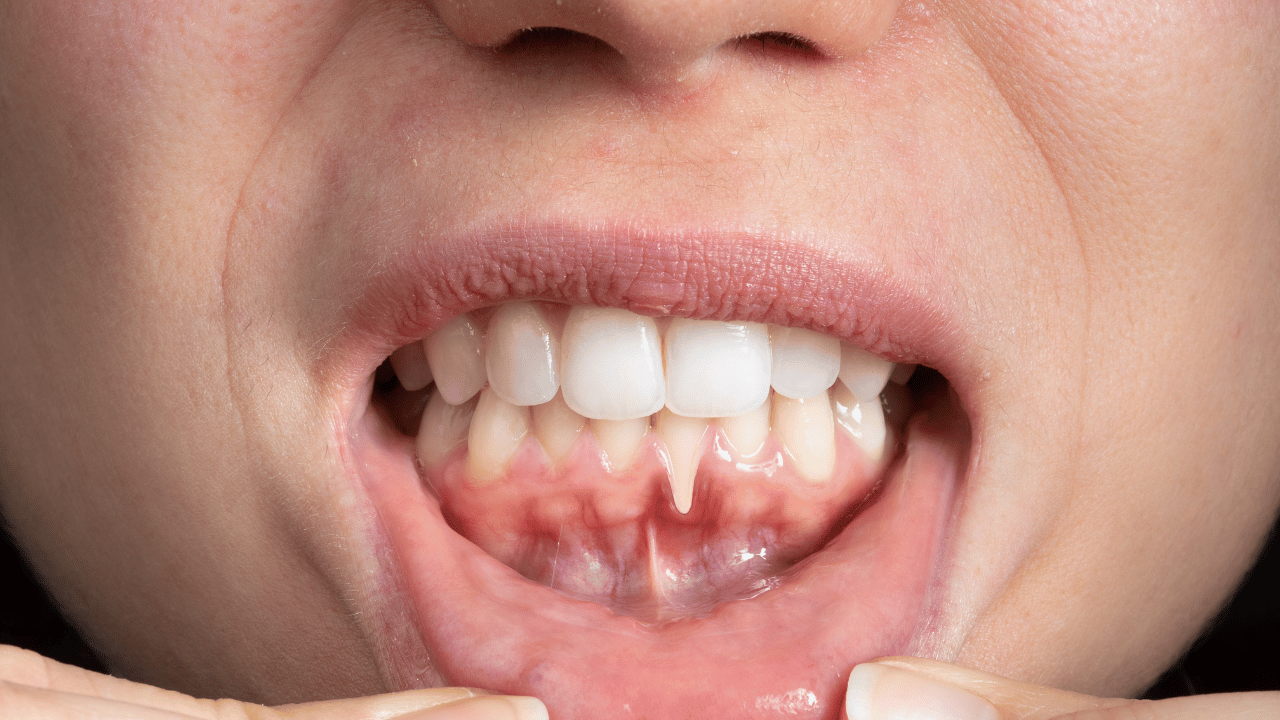
Gum disease (periodontal disease) starts as gum inflammation and, if ignored, can damage the tissues that hold your teeth in place. This guide walks you through why gums become inflamed, how plaque and tartar drive the process, and the day-to-day prevention and treatment steps that stop progression and protect your smile. You’ll learn to spot early signs like bleeding or receding gums, adopt effective at-home habits (including proper interdental cleaning), and recognize when professional care such as scaling and root planing is needed. We also cover how conditions like diabetes and smoking affect periodontal risk and describe patient-centered approaches that make dental care less stressful. Practical checklists and clear guidance will help you act quickly to preserve gum health.
TL;DR
Gum disease begins as inflammation and can lead to serious tissue damage if untreated.
Plaque and tartar are the primary drivers of gum disease.
Effective prevention involves daily oral hygiene and regular professional dental care.
Learn to recognize early signs like bleeding or receding gums.
Professional treatments like scaling and root planing are crucial for advanced cases.
Systemic factors like diabetes and smoking significantly increase your risk.
What is gum disease, and how does it develop?
Gum disease is an inflammatory reaction of the gums and supporting tissues caused mainly by bacterial biofilm (plaque) that forms on teeth. As plaque matures, it triggers a local immune response, redness, swelling, and bleeding, known as gingivitis, which is usually reversible. If plaque hardens into tartar (calculus) and pockets form around teeth, the condition can progress to periodontitis, where attachment to the tooth and bone are lost. Early removal of plaque reverses gingivitis; later stages require professional cleaning to stop bone loss and tooth mobility. Knowing this progression shows why daily plaque control and routine professional cleanings are your best defense.
What’s the difference between gingivitis and periodontitis?
Gingivitis is inflammation limited to the gum tissue without permanent loss of attachment, think red, puffy gums that bleed when you brush, and it can usually be reversed with better home care. Periodontitis is more serious: it involves irreversible loss of the periodontal ligament and bone, pocket formation around teeth, and possible looseness if untreated. Treatment differs: gingivitis often improves with improved hygiene and a professional cleaning, while periodontitis may need scaling and root planing, targeted antibiotics, or surgery. Early detection matters because lost bone is hard to regain; the goal after treatment is to preserve what remains with ongoing maintenance.
Gingivitis to Periodontitis: Understanding the Progression of Gum Disease
A focused review of the biological and inflammatory changes that occur as gingivitis advances to periodontitis. The paper outlines how initial gum inflammation, if left untreated, can develop into deeper tissue and bone involvement, highlighting the importance of early intervention.
Molecular basis for immunohistochemical and inflammatory changes during progression of gingivitis to periodontitis, A Kantarci, 2000
How do plaque and tartar cause gum disease?
Plaque is a sticky film made of bacteria, saliva proteins, and food particles that clings to teeth and the gumline; over hours and days it becomes more harmful. If not removed, minerals in saliva harden plaque into tartar, which toothbrushes can’t remove and which creates a rough surface that traps more bacteria and deepens pockets. The immune system responds to these bacteria with inflammation that gradually destroys connective tissue and bone, making pockets worse and creating a cycle of damage. Stopping this cycle requires mechanical removal of plaque and calculus and a consistent daily routine to prevent re‑accumulation.
What are the main causes and risk factors for gum disease?
Gum disease starts when local bacterial challenges meet a susceptible host. Poor oral hygiene is the single most direct cause because it lets plaque build and mature into disease-causing communities. Other modifiable and non‑modifiable risk factors, like smoking, uncontrolled diabetes, hormonal changes, medications that reduce saliva, and genetics, increase the chance that gingivitis will progress to periodontitis. Local issues such as crowded teeth or overhanging restorations can also create pockets where plaque gathers. Identifying and managing these risks is central to prevention and treatment planning.
While plaque is the central cause, managing systemic and behavioral contributors significantly lowers the risk of progression. The next section explains how poor hygiene fuels the inflammatory process.
How does poor oral hygiene cause gum disease?
When daily cleaning is inconsistent or ineffective, plaque builds along the gumline and the immune system is constantly active, driving chronic inflammation. Skipping flossing, brushing with the wrong technique, or ignoring plaque between teeth lets harmful bacteria flourish. Over weeks and months this ongoing inflammation can cause tissue breakdown and deeper pocket formation if not stopped. Repairing early damage needs consistent home care plus professional debridement, so both your routine and dental follow‑up matter.
What other factors raise your risk of gum disease?
Beyond hygiene, lifestyle and health conditions change how your body responds to bacteria. Smoking is a major modifiable risk that lowers blood flow and immune function in gums; uncontrolled diabetes increases inflammation and slows healing; hormonal shifts (puberty, pregnancy, menopause) can raise gum sensitivity; and some medicines reduce saliva, increasing plaque buildup. Genetics play a role, too, some people progress faster even with similar plaque levels. Current professional guidance stresses coordinated care with medical providers for patients with systemic disease to reduce periodontal risk.
What are the common symptoms and early signs of gum disease?
Spotting symptoms early lets you act before damage becomes permanent. Look for gums that bleed when you brush or floss, ongoing bad breath or a bad taste, swollen or tender gums, gums that look redder than usual, and gradual gum recession that exposes more tooth. Teeth that feel loose or a changed bite suggest more advanced disease and need prompt attention.
Here are the most common early signs to check for at home:
Bleeding gums when you brush or floss.
Persistent bad breath or an unpleasant taste that won’t go away.
Red, swollen, or tender gums that feel different than usual.
Gum recession that makes teeth look longer or exposes roots.
Loose teeth or changes in how your teeth meet.
Watching these signs helps you decide whether home care is enough or if a dental visit is needed. If symptoms persist despite better hygiene, see your dentist to prevent progression.
How can you check for bleeding, swollen, or receding gums?
Do a simple at‑home check in good light: look at your smile, run a clean finger along the gumline, and note any tenderness, bleeding, or uneven margins compared with older photos. Healthy gums are firm, pale pink, and snug against teeth. Ongoing redness, swelling, or any spontaneous bleeding means inflammation. Recession is when the gum margin pulls away and root surface becomes visible or sensitive, compare with past photos or dental records to track changes. Early detection lets you get care before attachment loss becomes significant.
When should you see a dentist for gum symptoms?
See your dentist promptly if bleeding or swelling continues for more than two weeks despite improved brushing and interdental cleaning, or immediately if you have loose teeth, pus, severe pain, or fever with an oral infection. Patients with diabetes or weakened immune systems should seek care sooner because systemic issues can speed periodontal breakdown. Recall intervals vary by risk, but persistent symptoms deserve an expedited visit to measure pocket depths, review plaque control, and determine whether scaling and root planing are needed. Timely care limits progression and protects long‑term oral function.
How can you effectively prevent gum disease?
Prevention depends on a reliable daily routine, the right tools, healthy lifestyle choices, and regular professional care tailored to your risk. Effective prevention combines mechanical plaque removal (brushing and interdental cleaning), selective chemical aids (antimicrobial rinses when recommended), and periodic professional maintenance to remove calculus and monitor gum health. Lifestyle changes, like quitting smoking, cutting back on refined sugars, and managing diabetes, also support gum stability. Which combination is best depends on your mouth, dexterity, and risk. Talk with your dental provider to build a prevention plan that fits your needs. Next, we outline practical daily habits to make these recommendations easy to follow.
What daily oral hygiene practices protect your gums?
Daily protection focuses on solid brushing technique, consistent interdental cleaning, and targeted use of adjuncts when needed. Use a soft‑bristle brush with gentle circular motions for two minutes twice a day to remove plaque without wearing down gums; replace the brush head every three months or when bristles fray. Clean between every tooth once daily with floss or appropriately sized interdental brushes, interdental brushes often work better for wider spaces. If inflammation warrants it, your dentist may recommend an antimicrobial mouthwash, but mouthwash should complement, not replace, mechanical cleaning.
Practical checklist to use every day:
Brush two minutes, twice daily with a soft‑bristle brush.
Clean between each tooth once daily with floss or interdental brushes.
Use an antimicrobial rinse only if your dentist advises it.
Stay hydrated to support natural saliva flow and oral clearance.
Making these steps routine keeps prevention simple and effective; consistent habits greatly reduce the chance that gingivitis will progress to periodontitis.
How do regular dental checkups and professional cleanings help?
Professional checkups pick up what home care can miss: measuring pocket depths, checking attachment levels, finding calculus that toothbrushes can’t remove, and setting a maintenance schedule based on your risk. During a cleaning, our hygienists remove supragingival and subgingival plaque and tartar, smooth root surfaces when needed, and coach you on technique. For periodontitis, scaling and root planing lowers pocket depths and bacterial load, followed by periodontal maintenance every 3–4 months for higher‑risk patients. Regular follow‑up catches problems early and helps preserve periodontal support.
Which lifestyle changes support gum health?
Small lifestyle shifts make a real difference because they change both the bacterial challenge and your body’s response. Quitting smoking improves circulation and healing in the gums. Controlling diabetes stabilizes immune function and reduces inflammation, improving treatment results. Cutting back on refined sugars and choosing nutrient‑rich foods supports a healthier oral microbiome, and avoiding medicines that cause dry mouth when possible reduces plaque retention. Sustainable changes deliver measurable improvements in gum stability and response to care.
What treatment options for gum disease are available at Tulsa Time Dental Design?

Treatment ranges from non‑surgical plaque control to surgical procedures, chosen based on disease severity, pocket depths, and patient needs. Initial therapy usually starts with scaling and root planing to remove plaque and tartar from pockets, combined with improved home care and targeted antimicrobials when appropriate. Advanced cases may need periodontal surgery to reduce pockets, regenerate tissue, or correct anatomy that traps bacteria. After active treatment, patients enter a periodontal maintenance program to preserve results. Comfort and individualized planning are core to our approach so treatment is predictable and recovery is manageable.
Provide clear service information, highlight expertise, and make scheduling easy to welcome new patients.
The practice’s treatment philosophy centers on personalized plans that combine proven periodontal procedures with ongoing maintenance to sustain results. Patients get a clear explanation of findings, a treatment timeline, and follow‑up scheduling to support adherence and long‑term stability. Knowing what each procedure does and what recovery typically looks like helps you make informed choices and feel prepared for the care ahead.
This information sets expectations for each option and reinforces why maintenance is vital after active therapy. The following sections describe core periodontal procedures and how we support anxious patients during treatment.
How does periodontics treat gum disease?
Periodontics focuses on removing the bacterial biofilm and calculus that cause inflammation, then stabilizing the environment so healing can occur. Scaling and root planing carefully cleans root surfaces to lower bacterial reservoirs and smooth areas that hide plaque; adjunctive antimicrobials may be used when necessary. If pockets and bone loss are advanced, surgical methods, such as flap surgery or regenerative techniques, restore anatomy and reduce pocket depth. Follow‑up care includes periodontal maintenance to monitor probing depths, reinforce home care, and remove any returned calculus to prevent recurrence.
How does Tulsa Time Dental Design help patients with dental anxiety?
We know dental anxiety can delay care and worsen outcomes, so Tulsa Time Dental Design focuses on comfort, clear communication, and tailored anxiety management to help patients through periodontal therapy. Our team explains procedures step‑by‑step, offers calming techniques, and provides sedation options when appropriate to ensure a lower‑stress experience. We also coordinate scheduling to minimize visits when possible and offer pre‑visit tips so patients feel prepared. This patient-centered approach removes barriers to timely care and improves overall satisfaction.
How is gum disease linked to overall health?
Research shows associations between periodontal disease and systemic conditions through shared inflammatory pathways and possible bacterial spread, though direct causation is complex and still being studied. Chronic periodontal inflammation raises systemic inflammatory markers; epidemiological studies have linked this to cardiovascular risk, but randomized trials have not proven that periodontal treatment prevents heart attacks. Clinically, we recommend working with your primary care team when systemic conditions are present. Periodontal therapy lowers local inflammation and can improve some systemic markers for certain patients, so sharing oral findings with medical providers supports whole-person care.
Periodontal Disease and Systemic Health: An Interconnected Relationship
A narrative review examining links between periodontal disease and systemic conditions. The review discusses possible mechanisms, like bacterial translocation and chronic inflammation, that may connect oral and systemic health, and it highlights the need for coordinated care across medical and dental providers.
The interrelationship between periodontal disease and systemic health, VCM Neves, 2025
What is the relationship between gum disease and heart disease?
There is a consistent association between periodontitis and cardiovascular disease, with inflammation suggested as a shared pathway that may contribute to atherosclerosis. Oral bacteria or inflammatory mediators can enter the bloodstream and influence vascular inflammation, but current trials do not conclusively show that periodontal treatment prevents heart attacks. Practically, dentists should inform patients with cardiovascular risk factors about their periodontal health and encourage collaboration with medical providers to manage overall risk. Periodontal care improves oral health and reduces inflammation, but cardiovascular prevention remains a multifaceted effort.
How does gum disease affect diabetes and other systemic conditions?
Periodontal disease and diabetes influence each other: poorly controlled diabetes raises the risk and severity of periodontitis, and severe periodontitis can make blood sugar harder to control in some people. Improving glycemic control helps periodontal treatment work better, and periodontal therapy can modestly improve blood sugar markers for some patients, illustrating the value of integrated care. Other systemic links include possible respiratory effects in vulnerable individuals and inflammatory interactions with conditions affected by chronic inflammation. If you have a systemic illness, coordinate care between your dentist and medical provider to align treatment and monitoring.
Periodontitis Linked to Systemic Diseases: Evidence and Comorbidities
An overview of evidence connecting periodontitis with various comorbidities, such as cardiovascular disease, type 2 diabetes, rheumatoid arthritis, and respiratory infections, highlighting shared inflammatory mechanisms. The article calls for closer cooperation between dental and medical professionals to optimize screening, treatment, and prevention.
Relationship between periodontal disease and systemic health, RI Garcia, 2000
Beyond health, the way your smile looks affects confidence. Addressing issues like gum recession or stained teeth can make a big difference. If you’re interested in improving appearance as well as health, explore our cosmetic dentistry options.
To welcome new patients, we provide clear service information, demonstrate our expertise, and make scheduling straightforward. Tulsa Time Dental Design, led by Dr. Rick Franklin, offers comprehensive dental care, including periodontics, with an emphasis on comfortable, stress‑free experiences and individualized treatment plans. To schedule an appointment, call (918) 834-2330 or visit us at 3747 E 11th St, Tulsa, OK 74112; our team will explain treatment steps, sedation choices, and next actions when you contact us.
Recognize symptoms early and start improved home care right away.
Schedule a professional evaluation if bleeding or swelling continues.
Follow a personalized maintenance plan to preserve gum health long term.
These steps connect prevention, clinical assessment, and treatment so you can protect your gums and overall oral health.
Keep Your Gums Healthy
Healthy gums are an essential part of overall well‑being. With consistent daily care and regular professional checkups, you can greatly reduce your risk of periodontal disease. Early detection and timely treatment give the best chance to preserve teeth and support. For personalized advice and treatment options, schedule an appointment with our experienced team, we’re here to help you keep your smile healthy and comfortable.