
Comprehensive Guide to All-on-4 Dental Implant Durability
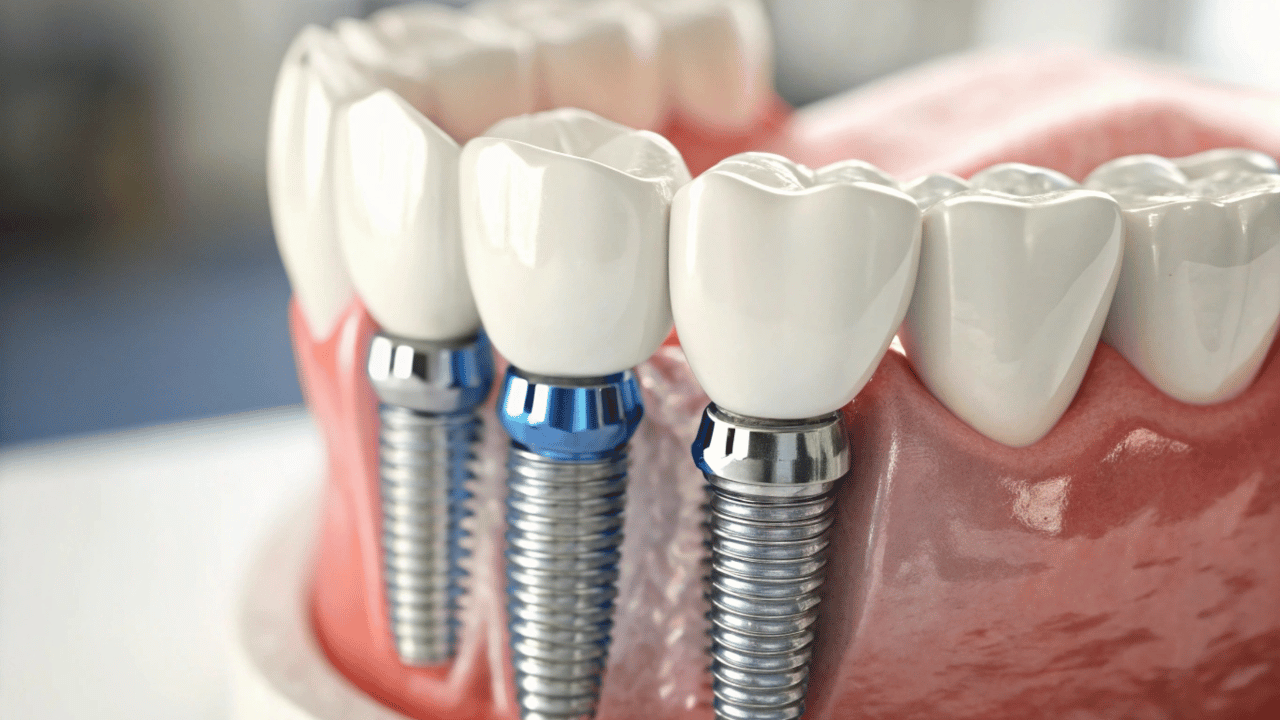
Choosing the right materials for All-on-4 dental implants determines how well your smile stands the test of time and daily life. In this guide, you’ll discover why titanium forms the sturdy foundation for implant posts, how zirconia, acrylic, and porcelain bridges compare in strength and aesthetics, and what factors Tulsa Time Dental Design considers when tailoring All-on-4 solutions. We’ll also explore material lifespans, maintenance practices, and expert tips—so you can decide with confidence and schedule a consultation at our All-on-4 Implants hub.
TL;DR
All-on-4 implants use durable titanium posts, designed to last a lifetime.
Bridge materials (Zirconia, Porcelain, Acrylic) offer varying durability (5-20 years), aesthetics, and costs.
Achieve a stable, natural-looking smile tailored to your specific needs and lifestyle.
Tulsa Time Dental Design provides expert guidance to choose the best materials for your long-term satisfaction.
Why Is Titanium the Preferred Material for All-on-4 Implant Posts?
Titanium serves as the gold-standard implant post for All-on-4 because it bonds seamlessly with jawbone tissue and withstands biting forces indefinitely. This combination of biocompatibility and mechanical strength anchors your prosthetic arch securely.
What Makes Titanium Biocompatible and Strong for Dental Implants?
Titanium’s surface chemistry promotes osseointegration, meaning bone cells grow directly onto the implant, creating a natural bond without inflammatory reactions. Its lightweight alloy composition also delivers high tensile strength and corrosion resistance.
Outstanding osseointegration due to titanium oxide layer
High strength-to-weight ratio for everyday chewing
Corrosion resistance in the oral environment
Minimal allergic potential or tissue irritation
These attributes highlight why titanium remains the foundation for All-on-4 posts and set the stage for comparing bridge materials next.
How Long Do Titanium Implant Posts Last?
Titanium posts can last a lifetime because osseointegration prevents micro-movement and loosening. Clinical studies show success rates above 98% over a decade, ensuring your prosthetic arch remains stable as long as you follow recommended care.
Long-Term Clinical Outcomes of All-on-4 Dental Implants
A retrospective analysis of 471 patients treated with 1884 All-on-4 implants demonstrated a cumulative implant survival rate of 98.8% over a follow-up period of 10 to 18 years. This highlights the long-term effectiveness and stability of titanium implants in full-arch restorations.This research directly supports the article's claim regarding the high success rates and long-term stability of titanium implant posts in All-on-4 procedures.
What Are the Different Grades of Titanium Used in All-on-4 Implants?
Titanium for dental posts typically comes in two grades:
Grade 4 (Commercially Pure): Highly biocompatible with excellent corrosion resistance, ideal for standard implants.
Grade 5 (Ti-6Al-4V Alloy): Alloyed with aluminum and vanadium for increased strength and fatigue resistance in demanding cases.
Understanding these grades helps Tulsa dentists match implant posts to patient bone quality and long-term functional demands.
What Are the Advantages and Disadvantages of Zirconia All-on-4 Bridges?
Zirconia bridges offer metal-free strength and lifelike translucency, making them a premium choice for All-on-4 prosthetics. However, higher material costs and potential wear on opposing teeth warrant consideration.
How Durable Is Zirconia for All-on-4 Dental Bridges?
Zirconia withstands compressive forces above 900 MPa and resists low-temperature degradation, delivering up to 20 years of service in clinical trials. Its high fracture toughness minimizes chipping under normal bite conditions.
What Aesthetic Benefits Does Zirconia Offer Compared to Other Materials?
Zirconia’s light-transmitting properties mimic natural enamel, providing:
Translucent, tooth-like shading
No visible metal framework under porcelain layers
Custom staining for seamless gum-to-tooth transitions
These qualities support superior smile aesthetics, especially for front-arch restorations.
Who Are Ideal Candidates for Zirconia All-on-4 Bridges?
Patients seeking maximum strength and a wholly metal-free solution—particularly those with thin gums or high esthetic demands—benefit most from zirconia. It’s also suitable for individuals with mild bruxism who prioritize durability.
What Are the Potential Drawbacks of Zirconia Bridges?
Higher upfront investment compared to acrylic
Harder surface may accelerate wear on natural opposing teeth
Repairs require specialist equipment and can be more complex
Balancing zirconia’s elegance with its cost and maintenance needs will guide your material choice.
How Does Acrylic Compare to Zirconia for All-on-4 Dental Implants?
Acrylic bridges reinforced with a titanium bar blend affordability with versatility, but they trade some longevity and stain resistance compared to zirconia.
What Are the Properties of Acrylic Used in All-on-4 Bridges?
Acrylic (PMMA) offers a lightweight, adjustable base that can be relined or repaired chairside. Its shock-absorbing nature provides comfort, though it’s more prone to surface wear and staining over time.
Low density for reduced prosthetic weight
Ease of intraoral adjustment and relining
Affordable fabrication and repair costs
These traits make acrylic a popular option for budget-conscious patients.
How Does Titanium Reinforcement Improve Acrylic Bridges?
Inserting a custom-milled titanium bar inside the acrylic arch boosts rigidity and load distribution, reducing flex and preventing acrylic fractures. This reinforcement extends bridge life and supports chewing efficiency.
What Are the Pros and Cons of Acrylic Bridges?
Pros: Cost-effective full-arch solution Lightweight, easy to adjust or reline Rapid fabrication for immediate provisional use
Cons: Moderate durability (5–10 years) Prone to surface scratches and staining Requires periodic relines for fit maintenance
Who Should Consider Acrylic Bridges for Their All-on-4 Implants?
Ideal candidates include those on a tighter budget, patients needing same-day provisional teeth, and individuals without extreme bite forces. Acrylic suits anyone valuing quick turnaround and cost savings over maximum longevity.
What Are the Benefits and Limitations of Porcelain All-on-4 Bridges?
Porcelain bridges fuse an aesthetic, enamel-like surface onto a substructure, balancing beauty with moderate durability.
How Durable and Aesthetic Is Porcelain for Dental Bridges?
Porcelain delivers high wear resistance and natural gloss. Its layered structure resists staining and reproduces fine tooth anatomy, achieving excellent smiles for up to 10–15 years with careful handling.
How Does Porcelain Compare to Zirconia in Appearance and Maintenance?
Porcelain offers subtler translucency and individualized character.
Zirconia provides greater fracture resistance and simpler hygiene.
Porcelain may require more frequent glaze maintenance to prevent micro-cracks.
Understanding these differences helps match appearance goals with upkeep expectations.
What Are the Cost and Repair Considerations for Porcelain Bridges?
Porcelain bridges generally cost less than full-contour zirconia but more than acrylic. Repairs often involve replacing individual aged veneers rather than the entire arch, offering a middle ground in serviceability and expense.
How Do Zirconia, Acrylic, and Porcelain Compare for All-on-4 Implant Bridges?
Comparing these materials across multiple attributes clarifies which best aligns with patient priorities.
Premium Ceramic Options
Zirconia is a top-tier material known for its Very High durability and Excellent translucency, which allows it to mimic the look of natural teeth. While it falls into the High cost range, it offers a significant Estimated Lifespan of 15–20 years. Its Maintenance Needs are minimal, requiring only routine oral hygiene similar to natural teeth. Porcelain also offers High durability and a beautiful Natural gloss finish. It is priced in the Moderate-High range and typically lasts 10–15 years. Unlike Zirconia, porcelain may occasionally require re-glazing to maintain its luster and smooth surface over time.
Composite and Traditional Options
Acrylic is often used as a more affordable or temporary solution, falling into the Low-Moderate cost range. While its Aesthetic Quality is considered good, it is generally less lifelike than ceramic alternatives and has a Moderate durability rating. Due to the nature of the material, it has higher Maintenance Needs, including periodic relines or repairs to ensure a proper fit and function. Consequently, it has the shortest Estimated Lifespan of the three materials, usually lasting between 5–10 years.
Each material’s profile helps guide the choice based on strength, appearance, budget, and long-term fit. Next, we’ll explore how patient habits further influence longevity.
What Are the Key Differences in Durability Among These Materials?
Zirconia resists fractures under high compressive loads, porcelain balances toughness with aesthetics, and acrylic relies on titanium reinforcement to reduce flex and extend service life.
How Do Cost and Maintenance Requirements Vary?
Lower material costs of acrylic come with more frequent relines, porcelain requires glaze upkeep, and zirconia demands minimal maintenance but carries a premium price tag.
Which Material Offers the Best Aesthetic Results?
Zirconia’s full-contour design and porcelain’s layered artistry outshine acrylic’s uniform color, making them preferable for highly visible arch restorations.
What Are the Typical Lifespans of Each Bridge Material?
Zirconia: 15–20 years
Porcelain: 10–15 years
Acrylic: 5–10 years
Understanding these ranges clarifies how often you might plan for bridge replacement.
Comparative Durability and Lifespan of All-on-4 Prosthetic Bridge Materials
The longevity of All-on-4 prosthetic bridges varies significantly by material. Titanium-reinforced acrylic bridges typically last 2 to 5 years, while titanium-reinforced zirconia bridges can endure for 10 to 15 years. Porcelain-layered zirconia bridges generally have an estimated lifespan of 5 to 10 years, with zirconia offering superior durability and aesthetic appeal compared to acrylic.This information directly supports the article's comparison of acrylic, porcelain, and zirconia bridges regarding their durability, aesthetic qualities, and estimated lifespans.
How Does Patient Lifestyle Affect Material Choice and Longevity?
Habits like teeth grinding, tobacco use, or hard-food chewing accelerate wear on all materials. Selecting a resilient option like zirconia or reinforcing acrylic bridges with a stronger framework can counterbalance aggressive oral behaviors.
How Long Do All-on-4 Dental Implants Last Based on Material Choice?
Overall implant longevity combines titanium post success with prosthetic bridge lifespan, hinging on material selection and care.
What Is the Expected Lifespan of Titanium Implant Posts?
Embedded titanium posts can remain functional for decades—often a lifetime—thanks to osseointegration and corrosion resistance. Post failure is rare when gum health is maintained.
How Does Bridge Material Affect Overall Implant Longevity?
Bridge replacement intervals vary by material, but timely prosthetic renewal at the end of each material’s expected life preserves the integrity of underlying implant posts.
What Maintenance Practices Extend the Life of All-on-4 Implants?
Daily brushing with non-abrasive toothpaste
Flossing or water-flossing around implant abutments
Avoiding overly hard or sticky foods
Attending professional cleanings twice a year
Consistent hygiene prevents bacterial buildup and supports material durability.
How Do Lifestyle Factors Influence Implant Durability?
Smoking, bruxism, and poor diet increase risk of implant complications and material wear. Adopting supportive health habits and wearing protective nightguards can safeguard both posts and bridges.
How to Choose the Best Material for Your All-on-4 Dental Implants in Tulsa, OK?
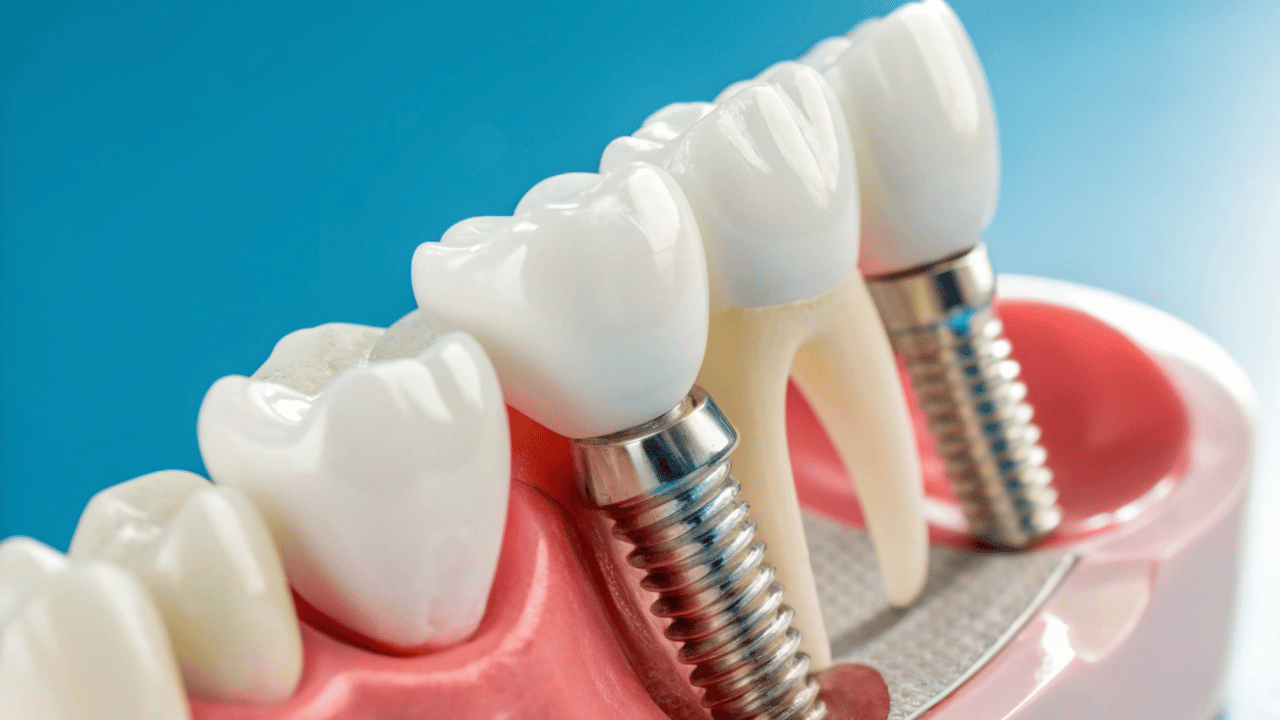
Selecting materials involves balancing functional needs, aesthetic goals, and budget, guided by expert consultation.
What Factors Should You Consider When Selecting Implant Materials?
Budget constraints vs. long-term value
Aesthetic priorities for front-arch appearance
Bite strength and parafunctional habits
Allergies or sensitivity to metals
Maintenance willingness for periodic upkeep
How Do Tulsa Dentists Personalize Material Recommendations?
At Tulsa Time Dental Design, we evaluate bone health, smile goals, and lifestyle factors during your consultation. Advanced digital imaging and material simulations help visualize final outcomes before fabrication.
What Are the Cost Differences Between Zirconia, Acrylic, and Porcelain?
Zirconia: Premium investment ($$$)
Porcelain: Mid-range ($$–$$$)
Acrylic: Most affordable ($–$$)
Your total investment also factors in potential repair and replacement schedules.
How Can You Balance Durability and Affordability in Your Choice?
Combining an acrylic provisional prosthesis with a final zirconia bridge couples immediate cost savings with long-term durability. Alternatively, choosing porcelain blends esthetics and moderate expense.
What Are the Best Practices for Caring for All-on-4 Implants to Maximize Durability?
Proper care routines directly influence how long your All-on-4 solution maintains strength and appearance.
What Daily Oral Hygiene Steps Are Essential for All-on-4 Patients?
Brush twice daily with a soft-bristle brush and non-abrasive paste
Clean under the bridge with floss or an interdental brush
Rinse with antimicrobial mouthwash to reduce plaque around implants
How Often Should Professional Cleanings and Check-ups Occur?
Schedule professional evaluations and hygiene appointments every six months to detect early signs of wear or gum issues. This frequency supports both implant health and bridge condition.
What Are Common Signs of Wear or Damage to Watch For?
Micro-cracks or chipping on bridge material
Increased mobility or discomfort around implant sites
Persistent inflammation or bleeding during cleaning
Early detection lets your dentist perform repairs before complications escalate.
How Can Proper Care Extend the Lifespan of Different Bridge Materials?
Meticulous daily cleaning prevents staining on acrylic and porcelain, while routine check-ups polish glaze on porcelain and inspect zirconia for surface micro-fractures, ensuring each material meets its full potential lifespan.
What Are the Most Frequently Asked Questions About All-on-4 Materials and Durability?
What Is the Most Durable Material for All-on-4 Dental Implants?
Zirconia remains the most durable prosthetic bridge material, resisting fractures and wear under high bite forces for up to 20 years in many patients.
Is Zirconia or Acrylic Better for All-on-4 Implants?
Zirconia provides superior strength and lifelike translucency, while acrylic offers cost-effective, adjustable provisional solutions. Your choice depends on your durability expectations and budget priorities.
How Long Do All-on-4 Dental Implants Typically Last?
Titanium posts can last a lifetime with proper care; prosthetic bridges last 5–20 years based on material type, hygiene practices, and lifestyle factors.
What Is the Cheapest Material for All-on-4 Bridges
Acrylic reinforced with a titanium bar offers the lowest initial cost and quick fabrication, making it the most budget-friendly full-arch option.
Are There Any Disadvantages to Zirconia All-on-4 Bridges?
Zirconia’s higher cost and potential to wear opposing teeth require careful consideration, but its outstanding durability and metal-free composition make it a top choice for many.
If you’re ready to explore All-on-4 material options, contact us for a personalized consultation. Our team at Tulsa Time Dental Design combines expertise in restorative and cosmetic dentistry to deliver durable, natural-looking smiles designed around your lifestyle.
Schedule Your Dental Implant Consultation at Tulsa Time Dental Design Today
Ready to transform your smile with All-on-4 dental implants? Contact Tulsa Time Dental Design today to schedule your personalized consultation. Our experienced team, led by Dr. Rick Franklin, brings over 80 years of combined expertise to every patient, utilizing state-of-the-art technology to ensure precise, long-lasting results. We also offer affordable financing options to make your dream smile a reality. Let us create a stress-free, comfortable experience as we design your durable, natural-looking smile right here in Tulsa. Call us at 918-555-1234 to begin your journey!