
Your Comprehensive Guide to Implant Dentistry in Tulsa
Dental implants have revolutionized the field of restorative dentistry, offering a permanent solution for tooth loss that closely mimics the function and appearance of natural teeth. This comprehensive guide will delve into the intricacies of dental implants, including their components, costs, types, procedures, and candidacy requirements. Many individuals face challenges related to missing teeth, which can affect their confidence and overall quality of life. Dental implants provide a reliable solution, restoring not just smiles but also functionality.
In this article, we will explore what dental implants are, their costs and financing options, the various types available, the procedures involved, candidacy criteria, and how sedation dentistry can enhance the experience for patients.
TL;DR
Dental Implants Defined: Artificial tooth roots (titanium posts) surgically placed into the jawbone to support replacement teeth, functioning like natural teeth through osseointegration.
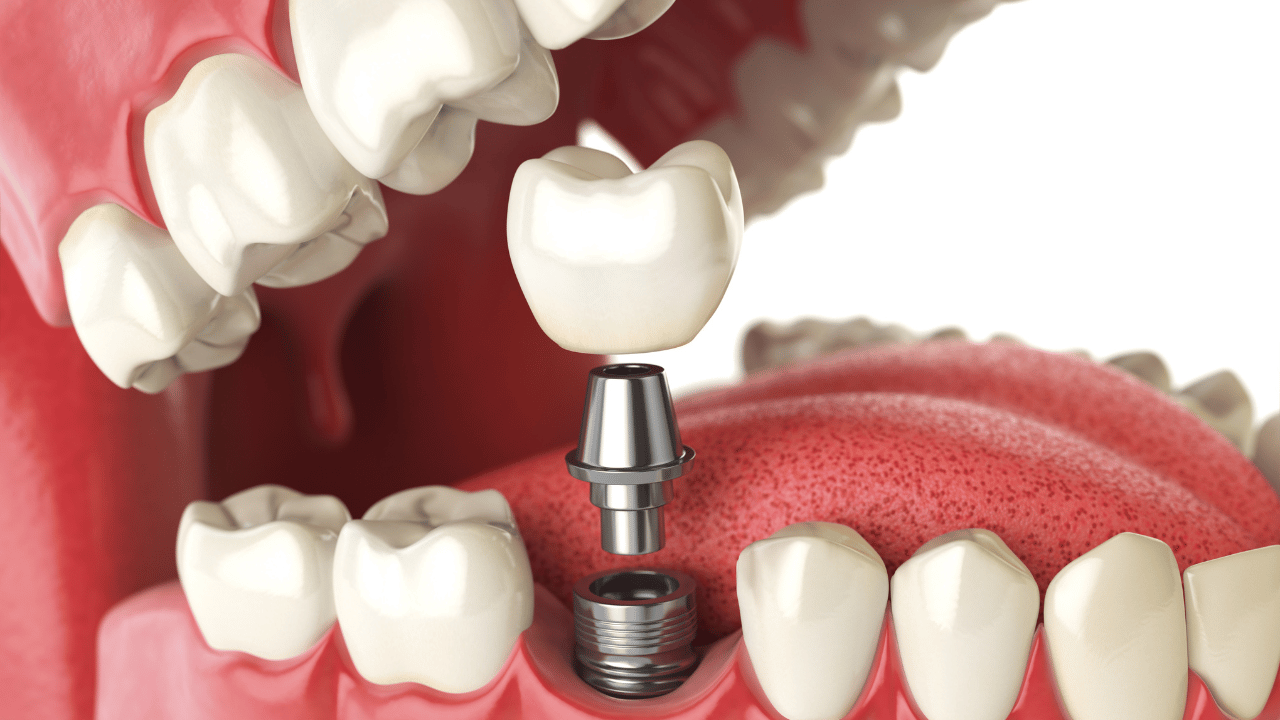
Components: Consist of a titanium post, an abutment (connector), and a custom crown.
Cost & Financing: Typically $3,000-$5,000 per implant in Tulsa, influenced by complexity and bone grafting needs. Various financing plans and insurance coverages are available.
Types: Options include single tooth implants, implant-supported bridges, full mouth implants, and All-on-4 dental implants for efficient full arch restoration.
Procedure & Recovery: A multi-step process from consultation to crown placement, with a healing period for osseointegration. Recovery involves maintaining oral hygiene and follow-up visits.
Candidacy: Requires healthy gums, sufficient bone density, and good overall health. Bone grafting can address insufficient bone.
Sedation Dentistry: Options like nitrous oxide, oral sedation, and IV sedation enhance patient comfort and reduce anxiety during treatment.
What Are Dental Implants and How Do They Restore Your Smile?
Dental implants are artificial tooth roots, typically made of titanium or titanium alloys, that are surgically placed into the jawbone to support replacement teeth or bridges. They function by integrating with the bone through a process called osseointegration, which provides a stable foundation for the artificial teeth. This innovative solution not only restores the aesthetic appearance of a smile but also improves oral functionality, allowing individuals to eat, speak, and smile with confidence.
What Components Make Up a Dental Implant?
A dental implant consists of three main components:
Titanium Post: This is the part that is surgically embedded into the jawbone, serving as the root of the artificial tooth.
Abutment: This connector piece sits on top of the implant post and holds the crown securely in place.
Crown: The visible part of the implant that resembles a natural tooth, crafted to match the surrounding teeth.
These components work together to create a durable and functional replacement for missing teeth.
How Do Dental Implants Function Like Natural Teeth?
Dental implants function similarly to natural teeth due to the osseointegration process, where the titanium post fuses with the jawbone. This integration provides stability and strength, allowing the implant to withstand the forces of chewing just like a natural tooth. Additionally, the crown is designed to mimic the appearance of natural teeth, ensuring that the restoration is both functional and aesthetically pleasing.
How Much Do Dental Implants Cost in Tulsa and What Financing Options Are Available?
The cost of dental implants in Tulsa can vary significantly based on several factors, including the number of implants needed, the complexity of the case, and any additional procedures such as bone grafting. On average, patients can expect to pay between $3,000 and $5,000 per implant, which typically includes the implant, abutment, and crown.
What Factors Influence the Cost of Dental Implants in Tulsa?
Number of Implants: The more implants required, the higher the total cost.
Bone Grafting Needs: If the jawbone is not thick enough to support an implant, bone grafting may be necessary, adding to the cost.
Insurance Coverage: Some dental insurance plans may cover a portion of the costs, depending on the policy.
Which Financing Plans and Insurance Coverages Can Help Afford Dental Implants?
Patients in Tulsa have various financing options available to help manage the cost of dental implants. Many dental practices offer payment plans that allow patients to spread the cost over time. Additionally, some insurance plans may cover a portion of the implant procedure, so it is advisable to check with your provider for specific coverage details.
Tulsa Time Dental Design provides flexible financing options to help make dental implants more accessible for patients.
What Types of Dental Implants Are Offered in Tulsa and Which Is Right for You?
In Tulsa, several types of dental implants are available, each designed to meet different patient needs. Understanding these options can help you make an informed decision about your tooth replacement solution.
What Are Single Tooth Implants, Implant-Supported Bridges, and Full Mouth Implants?
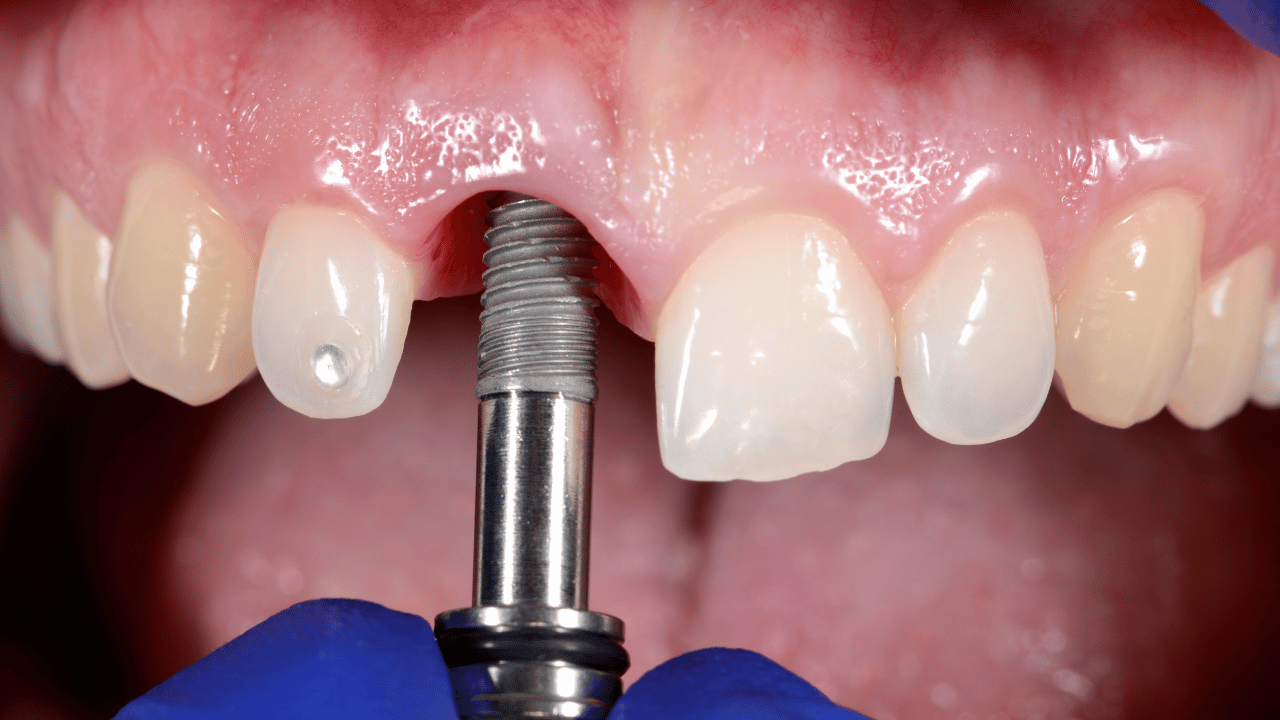
Single Tooth Implants: Ideal for replacing one missing tooth, this option involves placing a single implant and crown.
Implant-Supported Bridges: Used when multiple teeth are missing, this option involves anchoring a bridge to two or more implants.
Full Mouth Implants: For patients missing all their teeth, full mouth implants can provide a complete restoration using multiple implants to support a full arch of teeth.
What Are All-on-4 Dental Implants and Their Benefits?
All-on-4 dental implants are a specific type of implant-supported denture that uses four strategically placed implants to support a full arch of teeth. This technique offers several benefits, including:
Reduced Treatment Time: Fewer implants mean a quicker procedure and recovery.
Cost-Effectiveness: All-on-4 can be more affordable than traditional full mouth implants.
Immediate Functionality: Patients can often receive a temporary set of teeth on the same day as the implant placement.
Dr. Rick Franklin at Tulsa Time Dental Design specializes in these advanced implant techniques, ensuring patients receive the best care tailored to their needs.
What Does the Dental Implant Procedure and Recovery Process in Tulsa Involve?
The dental implant procedure is a multi-step process that requires careful planning and execution to ensure successful outcomes.
What Are the Step-by-Step Phases of the Dental Implant Procedure?
Initial Consultation: A thorough examination and imaging to assess bone structure and plan the procedure.
Implant Placement: The titanium post is surgically placed into the jawbone.
Healing Period: A healing period of 3 to 6 months allows for osseointegration.
Abutment Placement: Once healed, an abutment is attached to the implant.
Crown Placement: Finally, a custom crown is placed on the abutment.
How Long Is Recovery and What Aftercare Is Recommended?
Recovery from dental implant surgery typically takes several months for full osseointegration, though most patients return to normal activities within a few days to a week after surgery. Aftercare includes:
Maintaining Oral Hygiene: Keeping the implant site clean to prevent infection.
Regular Check-Ups: Follow-up visits to monitor healing and implant stability.
Avoiding Hard Foods: For the initial healing period, soft foods are recommended to avoid stress on the implant.
Who Is a Good Candidate for Dental Implants and How Does Bone Grafting Support Eligibility?
Not everyone is a suitable candidate for dental implants. Several health factors must be considered to determine eligibility.
What Health Factors Determine Dental Implant Candidacy?
Gum Health: Healthy gums are essential for supporting the implant.
Bone Density: Sufficient bone density is required to anchor the implant securely.
Overall Health: Conditions such as uncontrolled diabetes or smoking can affect healing.
When Is Bone Grafting Needed and What Does It Entail?
Bone grafting may be necessary if there is insufficient bone to support an implant. This procedure involves adding bone material to the jaw to create a stable foundation for the implant. The graft can be sourced from the patient’s body, a donor, or synthetic materials. Recovery from bone grafting typically takes several months before implants can be placed.
How Does Sedation Dentistry Enhance Comfort During Dental Implant Treatments in Tulsa?
Sedation dentistry plays a crucial role in ensuring patient comfort during dental implant procedures, particularly for those with dental anxiety.
What Sedation Options Are Available for Dental Implant Patients?
Nitrous Oxide: Commonly known as laughing gas, it helps patients relax during the procedure.
Oral Sedation: A prescribed medication taken before the appointment to reduce anxiety.
IV Sedation: Administered through an IV for deeper sedation, allowing patients to be more relaxed and unaware of the procedure.
How Does Sedation Dentistry Improve the Patient Experience?
Sedation dentistry significantly enhances the patient experience by reducing anxiety and discomfort. Many patients report feeling more at ease during their procedures, which can lead to a more positive overall experience. This approach allows for more complex procedures to be completed in fewer visits, making dental care more efficient and less stressful.
Ready to Restore Your Smile?
Dental implants offer a life-changing solution for tooth loss, providing unparalleled stability, aesthetics, and functionality. From understanding the components and costs to exploring various types and the detailed procedure, this guide has aimed to equip you with comprehensive knowledge. If you're considering dental implants in Tulsa, remember that a personalized consultation is the first step towards a renewed smile and improved quality of life. Don't let missing teeth hold you back any longer. Contact Tulsa Time Dental Design today to discuss your options and embark on your journey to a confident, complete smile.