

If you’ve lost most of your teeth or struggle with traditional dentures, All-on-4 implants could transform your smile and quality of life. Discovering “how do I know if I’m a good candidate for All-on-4 implants” starts with understanding your oral health, bone structure, and overall wellness. This article guides you through the All-on-4 concept, candidacy criteria, evaluation process at Tulsa Time Dental Design, patient concerns, comparisons with other options, the treatment experience, and financing choices. By the end, you’ll have a clear map of benefits, eligibility factors, and next steps to secure a fixed, full-arch solution in Tulsa, OK.
TL;DR
All-on-4 implants offer a fixed, stable alternative to dentures using four strategically placed implants.
Key benefits include improved comfort, bone preservation, immediate function, and enhanced aesthetics.
Candidacy depends on oral health, jawbone density, gum health, systemic conditions, and lifestyle factors.
Tulsa Time Dental Design provides thorough evaluations with advanced imaging and personalized treatment plans.
Minimally invasive techniques reduce anxiety, grafting needs, and risks, with high long-term success rates.
Immediate provisional teeth restore function and appearance on surgery day.
Costs vary by treatment complexity; flexible financing options are available.
Consultation and evaluation are the first steps toward a lasting, confident smile.
What Are All-on-4 Dental Implants and Their Key Benefits?
All-on-4 dental implants provide a fixed full-arch prosthesis supported by four strategically placed titanium posts, offering a permanent alternative to removable dentures. This method leverages angled posterior implants to maximize existing jawbone, promoting osseointegration and stable support without extensive grafting. For patients seeking lasting comfort and function, All-on-4 enhances chewing, speech, and facial structure.
Before breaking down the process, it helps to review the primary advantages:
Improved stability and comfort compared to traditional dentures
Preservation of jawbone density through effective load distribution
Immediate function with provisional prosthesis placed on surgery day
Enhanced aesthetics that mimic natural teeth and gum contours
Reduced treatment time and fewer surgical sites
These benefits set the foundation for understanding how All-on-4 works, leading directly to a closer look at the implant procedure and bone preservation mechanics.
What Is the All-on-4 Implant Procedure?
The All-on-4 procedure begins with a comprehensive oral assessment and imaging, followed by precise placement of four implants—two vertically in the anterior and two angled posteriorly. After surgical insertion, a temporary prosthesis attaches to the implants the same day, enabling immediate function. Over the next few months, osseointegration fuses bone to implant surfaces, culminating in a custom final prosthesis.
Conduct thorough dental exam and 3D imaging
Extract any failing teeth and prepare bone sites
Place four titanium implants in strategic positions
Attach provisional full-arch bridge on surgery day
Allow 3–6 months for osseointegration
Fit and secure the final fixed prosthesis
This streamlined approach reduces surgical stages and supports a fixed smile with minimal downtown, paving the way to the bone preservation benefits explored next.
How Do All-on-4 Implants Preserve Jawbone and Improve Oral Health?
All-on-4 implants preserve jawbone by transferring chewing forces through titanium posts into the bone, preventing resorption that follows tooth loss. By stimulating bone remodeling, the implants maintain ridge height and prevent facial collapse. Improved oral health arises from stable prosthesis design that avoids gum irritation and promotes hygiene.
With the jawbone stabilized and oral tissues healthy, patients enjoy long-term benefits and move seamlessly into the aesthetic and functional advantages of immediate loading.
The All‐on‐Four Treatment Concept: A Systematic Review
A systematic review evaluating the All-on-4 treatment concept reported an averaged bone loss of 1.3 ± 0.4 mm over 36 months. All-on-4 implants contribute to jawbone preservation by transferring chewing forces through the titanium posts into the bone, which stimulates bone remodeling and helps prevent the bone resorption that typically occurs after tooth loss.This citation verifies how All-on-4 implants contribute to jawbone preservation and provides data on the minimal bone loss observed with this treatment.
What Are the Immediate Function and Aesthetic Advantages of All-on-4?
All-on-4 delivers provisional fixed teeth on the same day as surgery, granting immediate function and confidence. This “teeth in a day” approach restores chewing efficiency and supports facial muscles, minimizing the hollow appearance common with dentures.
Instant provisional bridge improves speech and nutrition
Natural-looking acrylic or zirconia prosthesis enhances smile aesthetics
Reduced swelling and discomfort through minimally invasive technique
Immediate provisional loading ensures that patients leave the clinic with a complete set of functioning teeth, promoting comfort and self-esteem from day one and setting the stage for candidacy evaluation.
Who Qualifies for All-on-4 Implants? Eligibility and Candidacy Criteria Explained
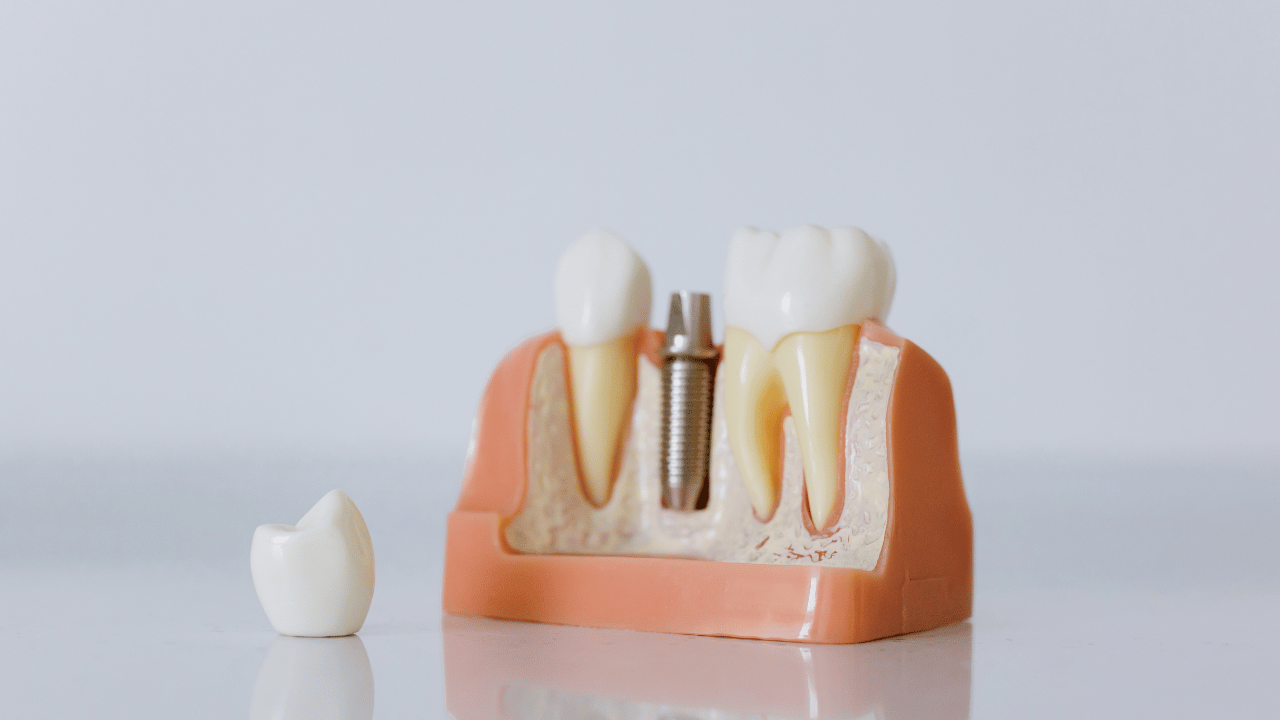
Determining if you’re a good candidate hinges on oral health, bone volume, medical history, and lifestyle factors. Most adults with significant tooth loss and reasonable systemic health suit All-on-4, but precise evaluation ensures predictable outcomes. Reviewing these criteria helps you answer “how do I know if I’m a good candidate for All-on-4 implants” before scheduling a consultation.
What Oral Health Factors Determine All-on-4 Candidacy?
A solid foundation in the mouth is crucial for implant success. Jawbone Density must be sufficient to support implant stability, and Gum Health should be free from active periodontal disease. Without these, healing and osseointegration may be compromised.
Remaining teeth condition and alignment influence prosthesis design.
Absence of active infections prevents postoperative complications.
Good oral hygiene habits support long-term maintenance.
Assessing these factors provides clarity on implant feasibility and leads naturally to exploring bone density and gum health in greater detail.
How Does Jawbone Density Affect Your Suitability for All-on-4 Implants?
Adequate jawbone volume ensures implants integrate securely and withstand chewing forces. All-on-4’s angled placement often leverages denser anterior bone, minimizing the need for bone grafting. When bone loss occurs, CT imaging measures ridge height and width to confirm implant sites.
Patients with moderate bone resorption can still benefit because angled posterior implants access more native bone. Understanding bone quality allows the surgical team to plan implant positioning that promotes stability and addresses individual anatomy.
Why Is Gum Health Important for All-on-4 Implant Success?
Healthy gums provide a seal around implant posts, protecting against bacterial invasion and peri-implantitis. Untreated gum disease increases the risk of early implant failure by causing inflammation and bone loss. Pre-treatment with scaling, root planing, or periodontal therapy ensures a stable soft-tissue environment.
Maintaining periodontal health before and after placement fosters healing, supports long-term tissue integration, and reduces complications, ensuring the foundation for a successful full-arch restoration.
What Systemic Health Conditions Impact All-on-4 Eligibility?
Conditions like uncontrolled diabetes, certain autoimmune disorders, and osteoporosis can affect bone healing and immune response. A thorough medical evaluation identifies:
Blood sugar control levels and HbA1c stability
Medication interactions that influence bone metabolism
Immune function status and healing capacity
By managing systemic conditions in partnership with your physician, many patients can still progress to All-on-4 treatment safely.
How Do Lifestyle Factors Like Smoking and Alcohol Affect Implant Success?
Tobacco use and excessive alcohol intake impair blood flow and bone regeneration, heightening failure risk. Smoking cessation and moderating alcohol consumption prior to surgery enhance osseointegration and soft-tissue healing. Implementing healthier habits supports implant longevity and overall oral wellness.
The All-on-Four Immediate Function Treatment Concept With NobelActive Implants: A Retrospective Study
A retrospective study highlighted a significant decrease in implant survival rates among smokers. Uncontrolled systemic conditions, such as diabetes and certain autoimmune disorders, along with lifestyle factors like excessive alcohol intake, can impair bone healing and regeneration, thereby increasing the risk of implant failure.This supports the article's discussion on how systemic health conditions and lifestyle choices, such as smoking and alcohol consumption, can impact All-on-4 implant eligibility and overall treatment success.
Is Age a Barrier to Receiving All-on-4 Implants?
No, age alone does not disqualify candidates; healthy seniors often experience implant success rates comparable to younger adults. As long as bone quality and medical stability are confirmed, advanced age is not a contraindication. Mature patients benefit from improved nutrition, speech, and life quality through stable full-arch solutions.
How Is the All-on-4 Evaluation Process Conducted at Tulsa Time Dental Design?
Tulsa Time Dental Design’s evaluation combines compassionate care with advanced diagnostics to determine candidacy. Starting with a detailed consultation, our team tailors treatment plans to each patient’s anatomy and lifestyle.
What Happens During Your Initial Consultation and Dental Exam?
During the first visit, we gather medical history and assess oral structures through a comprehensive exam. Digital X-rays and intraoral scans capture detailed images of bone and soft tissues.
Review medical history and medications
Conduct oral cancer screening and periodontal assessment
Capture digital impressions and bite records
Measure bone volume and quality with panoramic X-rays
This thorough exam ensures accurate planning and leads into advanced imaging to finalize suitability.
How Are 3D Imaging and Diagnostics Used to Assess Implant Suitability?
Cone beam CT scans generate three-dimensional views of your jaw, revealing bone height, nerve canals, and sinus position. These diagnostic images guide precise implant placement and angulation, maximizing stability while preserving critical anatomy.
Leveraging 3D data enhances surgical accuracy and patient safety, ensuring optimal implant integration and function.
What Should You Expect and Prepare for Your All-on-4 Evaluation Visit?
Prepare by bringing relevant medical records and a list of current medications. Expect to spend about an hour undergoing scans, photos, and a detailed discussion of your goals. Wear comfortable clothing and plan for a guided office tour.
Arriving ready with this information helps streamline the evaluation and creates a personalized roadmap to your new smile.
What Are Common Concerns About All-on-4 Implants and How Are They Addressed?
Patients often worry about anxiety, bone grafting, and risks. Tulsa Time Dental Design emphasizes comfort, offers minimally invasive techniques, and implements strict protocols to minimize complications.
How Does Tulsa Time Dental Design Manage Dental Anxiety During Treatment?
Our practice provides sedation options—from nitrous oxide to oral sedation—and fosters a calm environment with supportive communication. Personalized chairside monitoring and clear explanations reduce stress, allowing patients to relax through each phase of treatment.
Building trust and comfort ensures a positive experience and smoother recovery.
Can All-on-4 Implants Be Placed Without Bone Grafting?
Yes, the angled placement of posterior implants often utilizes existing anterior bone, minimizing or eliminating the need for grafting. This strategic approach reduces additional surgical sites and expedites treatment, making All-on-4 accessible even for patients with moderate bone loss.
What Are the Risks and How Are They Minimized?
Infection, implant failure, and nerve injury are rare when protocols are followed. Sterile techniques, guided surgery using digital templates, and antibiotic coverage mitigate risks. Comprehensive follow-up and maintenance protocols further ensure long-term success.
What Are the Advantages of All-on-4 Over Traditional Dentures?
All-on-4 improves chewing efficiency by up to 90% and prevents bone loss through continual load transfer. Unlike dentures that press on gums, a fixed prosthesis feels natural and supports facial contours. Maintenance is simpler—daily brushing and flossing without removal—delivering a more confident, hassle-free experience.
How Do All-on-4 Implants Differ From Single Dental Implants?
Single implants replace individual teeth and require separate placements for a full arch, increasing time and expense. All-on-4 consolidates full-arch restoration into one surgical session, lowering overall costs and accelerating rehabilitation while providing a unified prosthesis that functions as a stable, cohesive unit.
What Are the Long-Term Success Rates and Patient Satisfaction Levels?
Clinical studies report All-on-4 survival rates exceeding 95% over five to ten years, with prosthesis success over 98%. Patients consistently report enhanced self-esteem, comfort, and quality of life, making satisfaction rates among the highest in implant dentistry.
"All-on-Four" immediate-function concept with Brånemark System implants for completely edentulous mandibles: a retrospective clinical study
A retrospective clinical study involving 44 patients and 176 immediately loaded implants for edentulous mandibles reported cumulative survival rates of 96.7% and 98.2% before the 6-month follow-up, with a 100% prosthesis survival rate. Further research indicated a cumulative survival rate of 99.6% for implants and 100% for definitive prostheses over 29 months, with long-term studies showing implant survival rates exceeding 95% over 5-13 years.This research directly supports the article's claims about the high long-term success rates and patient satisfaction levels associated with All-on-4 implants.
What Is the Patient Experience Like During and After All-on-4 Implant Treatment?
From the day of surgery through recovery and final prosthesis placement, the All-on-4 journey is structured to optimize comfort and outcomes. Clear post-op guidelines and supportive care ensure smooth healing.
What Are the Step-by-Step Phases of the All-on-4 Procedure?
Patients progress through three main phases:
Surgical Placement – Four implants inserted under sedation.
Osseointegration – Bone fuses to implants over 3–6 months.
Final Prosthesis – Custom full-arch bridge attached for lasting function.
Following each phase closely supports healing and readability into permanent restoration.
How Is Recovery Managed and What Aftercare Is Recommended?
Healing is guided by diet modifications, gentle oral hygiene, and regular check-ups. A soft diet, cold compresses, and prescribed analgesics promote comfort. Once osseointegration is confirmed, transition to a normal diet and routine maintenance reinforces implant health.
How Does Immediate Function (“Teeth in a Day”) Benefit Patients?
Immediate provisional prosthesis restores chewing and appearance instantly, minimizing functional downtime. Patients avoid living without teeth, maintain social confidence, and adapt quickly to their new full-arch bridge.
How Much Do All-on-4 Implants Cost in Tulsa and What Financing Options Are Available?
All-on-4 treatment investment varies by complexity, material, and preparatory needs. Tulsa Time Dental Design offers transparent pricing and flexible plans to make fixed implant solutions accessible.
What Factors Influence the Cost of All-on-4 Implants?
Several elements shape the final investment:
Extent of preparatory treatments (extractions, periodontal therapy)
Implant material choice (titanium vs. zirconia posts)
Type of final prosthesis (acrylic vs. zirconia bridge)
Sedation level and imaging requirements
Understanding these factors helps you anticipate expenses and plan accordingly.
What Financing Plans and Payment Options Does Tulsa Time Dental Design Offer?
Our practice partners with third-party financing to provide low-interest payment plans spanning 12–60 months. In-office payment arrangements and CareCredit options ensure that budget-friendly solutions align with patient needs, making the journey to a stable smile achievable.
Schedule Your Consultation Now
Tulsa Time Dental Design combines expertise, compassionate care, and advanced technology to help you determine if All-on-4 implants fit your dental situation. Our thorough evaluation process and patient-centered approach ensure you make informed decisions with confidence. Whether restoring function, preserving bone, or enhancing appearance, All-on-4 offers a transformative, stable solution for full-arch rehabilitation. Take the next step toward a lasting smile by scheduling your consultation today.