
How Do All-on-4 Implants Compare in Recovery Time?
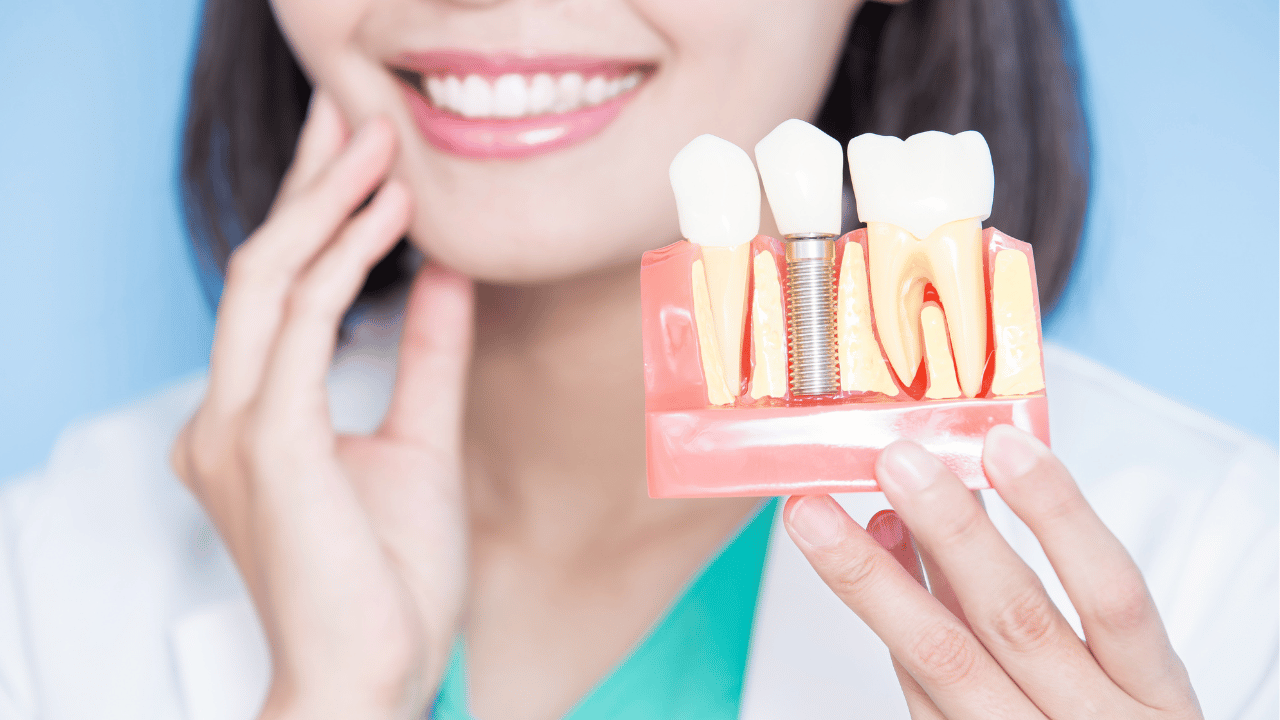
Dental implant recovery can span from a few days to several months, depending on the technique chosen, so understanding how the recovery time for All-on-4 implants stacks up against traditional methods is crucial for informed patient decisions. This guide explains the typical healing stages, post-operative care requirements, and key factors—like bone grafting or dental anxiety—that influence recovery.
TL;DR
The multi-stage healing process and timeline for traditional dental implants
The “teeth in a day” advantage, timeline, and care for All-on-4
A side-by-side comparison of initial healing, full integration, comfort levels, diet, and daily activity return
How patient health, grafting procedures, and anxiety management affect outcomes
Best practices for smooth post-surgery recovery
Why Tulsa Time Dental Design’s personalized approach supports every step
Understanding Traditional Dental Implant Recovery
Traditional dental implants require a staged approach to ensure bone integration and long-term stability. The procedure begins with surgical placement of a titanium post, followed by a healing period that allows osseointegration—bone fusing to the implant surface—to occur. This multi-stage process promotes a secure foundation for a final crown or bridge, delivering natural function and aesthetics. Exploring these stages clarifies why recovery can extend over several months. For more information, visit dental implants.
What Are the Multi-Stage Healing Phases in Traditional Implant Recovery?
Traditional implant recovery unfolds in defined phases to maximize bone health and implant stability:
Surgical Placement: A titanium implant is inserted into the jawbone under local anesthesia, minimizing immediate trauma.
Osseointegration: The bone gradually bonds to the implant surface, providing structural support and preventing micro-movement.
Abutment Connection: A small connector (abutment) is attached once osseointegration is sufficient, guiding the gum tissue.
Final Restoration: A custom crown, bridge, or denture is affixed to the abutment, restoring full chewing function.
Each phase builds on the previous one, ensuring a durable outcome that sets the stage for comparing how quickly All-on-4 implants move from placement to provisional teeth.
What Post-Operative Care Is Required After Traditional Implant Surgery?
Proper aftercare accelerates healing and prevents complications. Patients should follow these guidelines:
Manage Pain and Swelling: Apply cold compresses and take prescribed or over-the-counter analgesics.
Follow a Soft-Food Diet: Consume smoothies, soups, and mashed foods for the first week to avoid implant strain.
Maintain Oral Hygiene: Gently rinse with antibacterial mouthwash and use a soft toothbrush around the surgical site.
Avoid Tobacco and Alcohol: These substances impede blood flow and bone healing.
Attend Follow-Up Visits: Ensure timely assessment of healing progress and adjust care as needed.
Adhering to these steps supports each healing phase and prepares patients to compare care requirements for All-on-4 recovery.
How Does Recovery from All-on-4 Dental Implants Differ from Traditional Methods?
All-on-4 implant therapy uniquely balances immediate function with long-term stability by placing four implants that support a full-arch prosthesis on the day of surgery. This immediate-load concept reduces the waiting period for provisional teeth and jump-starts everyday activities. Understanding this “teeth in a day” approach clarifies why initial healing feels different from conventional implants.
What Is the “Teeth in a Day” Advantage of All-on-4 Implants?
All-on-4 offers provisional teeth on the same surgical day by angling posterior implants to maximize bone contact and avoid grafting. Patients benefit from:
Immediate Function: Enjoy provisional prosthesis for speaking and light eating within hours.
Preserved Bone: Angled placement engages dense bone areas, supporting implant stability.
Enhanced Confidence: Smile restoration on day one reduces self-consciousness and boosts quality of life.
This front-loaded comfort shifts the recovery narrative toward provisional function, paving the way for understanding the overall healing timeline.
Dental Implant Osseointegration and Loading Protocols
Osseointegration, the process where the jawbone fuses with the titanium implant, typically takes 3 to 6 months for traditional dental implants. In contrast, All-on-4 implant procedures often utilize an immediate loading protocol, allowing for the placement of a fixed provisional prosthesis on the same day as surgery, which can significantly reduce the initial waiting period for functional teeth compared to traditional delayed loading methods.This information clarifies the differing timelines for osseointegration and the immediate function benefit of All-on-4 implants, a key comparison point in the article.
What Specific Post-Operative Care Should Patients Follow After All-on-4 Surgery?
Targeted aftercare for immediate-load implants safeguards integration and comfort:
Stick to a Graduated Diet: Begin with liquids, advance to soft foods by week two.
Take Anti-Inflammatories as Directed: Reduce swelling without compromising blood flow.
Use Prescription Rinse: Gentle antimicrobial solutions support tissue health.
Avoid Chewing Hard Items: Prevent overloading implants during the critical bonding phase.
Keep Appointments for Adjustments: Fine-tune provisional fit to minimize pressure points.
Following these steps ensures early function without sacrificing long-term success and leads into a direct comparison of recovery experiences.
What Are the Key Differences in Recovery Between All-on-4 and Traditional Dental Implants?
Recovery differences hinge on loading protocols, total healing duration, comfort levels, dietary flexibility, and return to daily activities. Comparing these attributes side by side highlights why some patients choose one approach over the other based on lifestyle priorities.
How Do Pain and Discomfort Levels Differ During Recovery?
All-on-4 patients often report moderate discomfort concentrated during the first week, managed by anti-inflammatories, while traditional implant patients may experience two peaks of swelling—post-surgery and during abutment placement—spreading mild to moderate discomfort over a longer timeline.
What Are the Dietary Restrictions for All-on-4 vs. Traditional Implants?
All-on-4 guidelines prioritize liquids and soft foods immediately, advancing to a normal consistency by three months. Traditional implants follow a more gradual soft-food-only phase until final crowns are secured, often delaying full diet restoration.
How Does Recovery Impact Daily Life and Activity Resumption?
Immediate provisional teeth allow All-on-4 patients to resume light social activities and work within days, whereas traditional implant patients may feel self-conscious about healing sites and postpone strenuous activity until after final restoration, impacting professional and social routines.
Which Factors Influence Recovery Time for Dental Implants?

Individual health, additional procedures, and implant count shape healing speed and comfort. Recognizing these variables helps set realistic expectations and tailor care plans.
How Do Patient Health and Lifestyle Affect Healing?
Recovery accelerates when patients:
Maintain Optimal Oral Hygiene: Consistent brushing and rinsing reduce infection risk.
Manage Chronic Conditions: Controlled diabetes supports better bone metabolism.
Avoid Tobacco Use: Smoking impairs blood flow and delays osseointegration.
Lifestyle adjustments enhance healing and position patients for smoother bone integration.
How Does Bone Grafting Extend Recovery Periods?
Bone grafting introduces particulate graft material or blocks to rebuild deficient jawbone. While grafting secures a stable implant base, it typically adds 4–6 months to the overall timeline before implant placement or final restoration can proceed.
Impact of Patient Health and Bone Grafting on Dental Implant Outcomes
Patient health conditions, such as diabetes, and lifestyle factors like smoking, can significantly influence the healing process and overall success rates of dental implants by affecting blood flow and bone metabolism. Additionally, procedures like bone grafting, often required to build up deficient jawbone, can extend the overall recovery timeline by several months before implant placement or final restoration can proceed.This citation verifies the article's discussion on how patient health, lifestyle choices, and the necessity of bone grafting procedures can impact the duration and success of dental implant recovery.
Does the Number of Implants Affect Recovery Duration?
Single implants usually integrate within 3–6 months, whereas full-arch treatments—traditional or All-on-4—demand careful staging and may require additional healing time for each implant site, especially when multiple grafts are involved.
How Can Dental Anxiety Affect Implant Recovery and How Is It Managed?
Dental anxiety can heighten perceived pain, increase blood pressure, and reduce compliance with care instructions. Addressing anxiety proactively fosters a calmer experience and better outcomes.
What Supportive Care Does Tulsa Time Dental Design Offer for Anxious Patients?
Tulsa Time Dental Design provides sedation dentistry options—including oral sedation and nitrous oxide—to ensure patient comfort during implant placement. Personalized pre-surgery consultations reduce fear and establish trust, laying the groundwork for a relaxed recovery phase.
How Does Managing Anxiety Improve Recovery Outcomes?
Reducing anxiety lowers stress-related hormones that can impair healing, enhances patient cooperation with dietary and hygiene protocols, and promotes a positive outlook that supports faster tissue repair and bone integration.
What Are the Best Practices for Post-Surgery Care to Ensure Smooth Recovery?
Effective aftercare merges pain control, nutrition, and hygiene to support healing tissues and bone bonding.
How Should Patients Manage Pain and Swelling After Implant Surgery?
Key pain-management steps include:
Taking prescriptive or OTC pain relievers on schedule.
Applying ice packs intermittently for the first 48 hours.
Elevating the head to minimize fluid buildup.
Avoiding vigorous mouth rinsing until swelling subsides.
Effective discomfort control accelerates return to normal eating and speaking patterns.
What Dietary Guidelines Support Healing After Dental Implant Procedures?
Start with clear liquids and broths, progress to blended soups and smoothies within 3 days, then soft mashed foods by week one. By week four, introduce tender proteins and cooked vegetables, avoiding hard or sticky items until full integration. Balanced nutrition—rich in protein, vitamins C and D, and calcium—supports bone remodeling.
How Important Is Oral Hygiene During Recovery?
Consistent, gentle brushing around the surgical site prevents bacterial buildup. Antibacterial rinses used twice daily reduce infection risk. Maintaining excellent hygiene throughout healing safeguards both soft tissues and implant stability.
Why Choose Tulsa Time Dental Design for Your Dental Implant Recovery Journey?
Selecting an experienced team can dramatically influence comfort, confidence, and success rates.
How Does Tulsa Time Dental Design Personalize Recovery Plans?
Every recovery plan is tailored to your health profile, grafting needs, and lifestyle. We adjust medication schedules, dietary progressions, and follow-up frequency to match healing responses and patient anxiety levels, ensuring a care pathway that feels both safe and supportive.
What Success Rates and Patient Experiences Support Our Implant Services?
Tulsa Time Dental Design achieves implant survival rates exceeding 95%, with All-on-4 cases reporting 98.8% success over five years. Patients consistently commend our attentive follow-up and clear communication, highlighting rapid return to function and minimal discomfort.
A Longitudinal Study of the Survival of All-on-4 Implants in the Mandible with Up to 10 Years of Follow-Up
A long-term clinical study involving 245 patients and 980 immediate-function All-on-4 implants reported cumulative patient-related success rates of 94.8% and implant-related success rates of 98.1% at five years. The study also found a prosthesis survival rate of 99.2% with up to 10 years of follow-up, supporting the long-term viability of the All-on-4 concept for immediate function.This research directly supports the article's claims regarding the high success rates and immediate function advantage of All-on-4 dental implants, particularly their long-term stability.
How Can You Schedule a Consultation to Discuss Your Recovery Options?
To explore personalized implant solutions and recovery timelines, call Tulsa Time Dental Design or visit our website to reserve a consultation. Our team will guide you through every step, from initial exam to final restoration, ensuring you choose the option that best fits your goals.
Choose Your Comfort
Recovering from dental implants requires understanding each method’s timeline, care needs, and influencing factors. By comparing traditional multi-stage healing with the immediate-load approach of All-on-4, you can select the pathway that balances speed, comfort, and long-term success. Tulsa Time Dental Design’s personalized expertise and anxiety-friendly environment ensure that every patient enjoys a smooth recovery and lasting results. Contact us today to begin your journey toward a confident, fully restored smile.