
How All-on-4 Implants Outpace Traditional Recovery Times
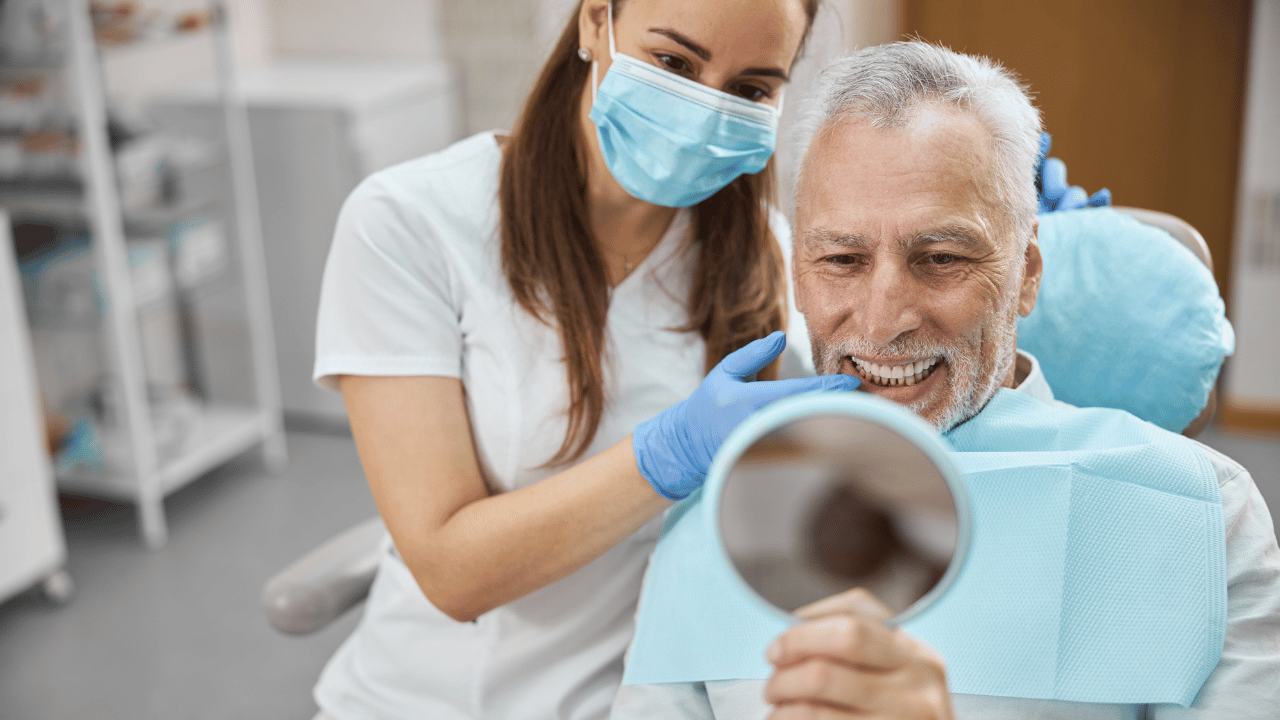
When you’re weighing how does the recovery time for All-on-4 implants stack up against traditional methods, clear insights can guide your choice and ease dental anxiety. At Tulsa Time Dental Design, we recognize that recovery expectations often drive decisions between fixed full-arch solutions and single or staged implants. This article breaks down the All-on-4 procedure and traditional implant healing.
TL;DR
All-on-4 implants use four strategically placed implants for a full arch, enabling faster initial healing and immediate function.
Traditional implants involve staged surgeries, often including bone grafting, with longer overall recovery times.
Immediate loading in All-on-4 supports comfort and quicker return to activities.
Bone grafting extends traditional implant recovery by several months but ensures stable implant sites.
All-on-4 recovery typically takes 4–8 months; traditional implants can take 12–18 months.
Patient health, adherence to care instructions, and dental team support influence individual healing.
All-on-4 suits patients needing full-arch restoration with moderate bone density; traditional implants fit those requiring single or multiple tooth replacements with complex bone needs.
Both implant types require ongoing maintenance and regular dental check-ups for long-term success.
What Are All-on-4 Dental Implants and How Do They Affect Recovery Time?
All-on-4 dental implants deliver a full arch of fixed teeth using only four implants, enabling immediate function and shorter initial healing compared to multistage approaches. By distributing bite forces across strategically angled fixtures, this method often reduces the need for bone grafting and allows a temporary prosthesis to be placed on the same day.
What Is the All-on-4 Implant Procedure?
The All-on-4 implant procedure begins with a detailed 3D digital plan and impressions to customize your arch. Four implants are surgically placed in the jaw—two vertical in the front and two angled in the back—creating a stable base for a provisional prosthesis on the same appointment. This streamlined approach minimizes surgical visits and sets the stage for accelerated recovery. Learn more about our All-on-4 process at Tulsa Time Dental Design.
This surgical precision transitions directly into faster initial healing, laying the groundwork for bone fusion and long-term stability.
The All-on-4 treatment concept for the rehabilitation of the completely edentulous mandible: A longitudinal study with 10 to 18 years of follow-up
A longitudinal study evaluating the All-on-4 treatment concept in the mandible over 10 to 18 years reported a cumulative prosthetic survival rate of 98.8% and an implant cumulative survival rate of 93% to 91.7%. The study concluded that All-on-4 is a viable long-term treatment option.This research directly supports the article's claims regarding the high success rates and long-term stability of All-on-4 dental implants.
How Does Immediate Load Impact All-on-4 Recovery?
Immediate load refers to placing a provisional prosthesis on the day of implant insertion. This practice:
Boosts confidence by restoring chewing ability right away
Reduces soft-tissue irritation with a well-fitting temporary arch
Encourages faster return to light activities due to fewer appliance adjustments
By avoiding a removable denture during the early healing phase, immediate loading supports soft-tissue healing and fosters comfort from day one. That comfort paves the way for focused at-home care.
How Can Patients Manage Pain and Swelling After All-on-4 Surgery?
Effective post-op comfort strategies include:
Applying cold compresses intermittently for the first 24 hours to minimize swelling.
Taking prescribed anti-inflammatory and pain medications on schedule to prevent spikes in discomfort.
Sleeping with the head elevated to reduce fluid buildup around surgical sites.
Consistent symptom control ensures a smooth healing progression and supports rapid return to daily routines.
What Are the Dietary Guidelines During All-on-4 Healing?
Before transitioning to regular foods, follow this progressive diet plan:
Weeks 1–2: Nutrient-rich smoothies, pureed soups, and unsweetened applesauce
Weeks 3–6: Soft mashed vegetables, yogurt, scrambled eggs, and blended proteins
After 6 weeks: Gradual reintroduction of chewier foods as directed by your dentist
How Do Traditional Dental Implants Differ in Procedure and Healing Time?
Traditional dental implants replace individual teeth or support bridges via a staged surgical approach that often includes bone grafting and extended osseointegration periods.
What Is the Traditional Dental Implant Procedure?
Single or multiple implants are placed in two phases: first the implant fixtures, then after a healing interval, the abutments and crowns. If bone volume is insufficient, grafting is performed before implant placement, extending the overall treatment timeline but ensuring long-term support.
This staged workflow requires careful planning, yet it delivers high success rates and versatility for replacing one or several teeth.
How Does Osseointegration Affect Traditional Implant Recovery?
Osseointegration, the process of bone fusing to the implant surface, typically spans 3–6 months per implant. During this period, minimal movement is critical. Osseointegration provides:
Rigid anchorage for final restorations
Preservation of jawbone height and density
A foundation for prosthetic components
Allowing sufficient osseointegration time underpins the longevity and reliability of traditional implants.
Contemporary Concepts in Osseointegration of Dental Implants: A Review
Osseointegration, the direct structural and functional connection between living bone and an implant surface, is a complex biological process. It involves initial healing, bone remodeling, and maturation phases, typically requiring several months for the formation of mature lamellar bone around the implant, which is essential for long-term stability.This review article provides a comprehensive understanding of osseointegration, supporting the article's explanation of this critical healing phase for dental implants.
What Role Does Bone Grafting Play in Extending Recovery Time?
When the jaw lacks adequate bone volume, grafting adds material—often harvested from another jaw site or sourced from medical-grade substitutes. Bone graft healing can add 3–9 months before implant placement, ensuring a stable site but increasing overall recovery.
Although grafting extends the process, it creates the necessary foundation for predictable implant success.
Dental Bone Graft: Process, Purpose & Healing
Dental bone grafts are often necessary to replace missing bone in the jaw before implant placement. While initial recovery from the surgery takes about a week, the bone graft itself typically needs at least three months to heal, with larger grafts potentially requiring nine to twelve months for full integration.This information from a reputable health organization supports the article's explanation of how bone grafting extends the overall recovery timeline for traditional dental implants.
How Should Patients Care for Traditional Implants Post-Operatively?
Post-op instructions for staged implants include:
Rinsing gently with antimicrobial mouthwash after 24 hours
Brushing delicately around healing caps with a soft-bristle brush
Following a soft-food diet for 1–2 weeks after each surgery
Adhering to these guidelines safeguards implant sites and promotes uneventful bone fusion.
How Does Bone Grafting Influence Recovery Time Differences?
Bone grafting extends traditional implant timelines by 3–9 months before fixture placement, whereas All-on-4 often avoids grafts through strategic implant angulation. Patients seeking expedited healing may favor All-on-4 to bypass extra graft-related recovery.
What Is the Overall Treatment Duration for Each Implant Type?
All-on-4: Approximately 4–8 months from extraction (if needed) to final prosthesis.
Traditional Implants: Up to 12–18 months when grafting and multiple osseointegration phases are necessary.
Shorter total timelines often make All-on-4 an appealing option for full-arch rehabilitation.
How Do Pain Levels and Post-Op Experiences Differ?
Because All-on-4 combines fewer surgeries and immediate tooth replacement, patients report:
Less overall discomfort from fewer incisions
Reduced anxiety about removable dentures
Easier daily hygiene around a fixed arch
Traditional implant patients experience two distinct healing phases, which can mean repeating discomfort management routines and navigating a removable healing prosthesis.
What Factors Influence Individual Recovery Times for Dental Implants?
Recovery is never one-size-fits-all. Several personal factors shape your healing journey.
How Do Patient Health and Lifestyle Affect Healing?
Conditions like diabetes, smoking, and osteoporosis can slow bone integration and soft-tissue repair. Nutritional deficiencies or poor oral hygiene compromise immune response, extending recovery.
Optimal healing relies on balanced nutrition, smoking cessation, and excellent oral care.
Why Is Adherence to Post-Operative Instructions Crucial?
Following your dentist’s guidance on diet, oral hygiene, and medication schedules prevents complications like infection or premature loading. Consistent adherence drives early soft-tissue stability and supports osseointegration, ultimately safeguarding your implant investment.
What Role Does the Dental Team Play in Supporting Recovery?
Our Tulsa Time Dental Design team provides:
Personalized pre-op assessments and digital planning
Regular check-ins to monitor healing progress
Tailored adjustments to medication and prosthesis fit
Hands-on support reduces anxiety, ensures timely interventions, and fosters confidence throughout recovery.
How Can Patients Choose Between All-on-4 and Traditional Implants Based on Recovery?
Selecting the right solution depends on your priorities, anatomy, and desired timeline.
When Is All-on-4 the Best Option for Faster Recovery?
All-on-4 is ideal if you:
Require a full arch of teeth with minimal surgical visits
Prefer immediate chewing function and smile restoration
Have moderate jawbone density that supports angled implants without grafting
This fixed solution accelerates early healing and reduces overall chair time.
When Are Traditional Implants More Suitable Despite Longer Healing?
Traditional implants may be better if you:
Need to replace one or two missing teeth rather than a full arch
Have complex bone deficiencies that demand grafting before implant placement
Desire the ultimate flexibility of implant-supported bridges or individual crowns
Though longer, this approach offers precision for targeted tooth replacement.
How Does Tulsa Time Dental Design Support Patients Through Recovery?
At Tulsa Time Dental Design, we combine advanced digital planning with sedation options and comfortable operatory environments to:
Minimize procedure-related stress
Customize post-op protocols based on health profiles
Offer nutritional guidance and at-home care kits
Our patient-centric focus ensures you never face recovery alone.
How Can Dental Anxiety Be Managed During Implant Recovery?
We employ relaxation techniques such as guided breathing, compassionate coaching, and optional sedation to reduce stress before and after surgery. Calm patients heal more predictably, helping implant sites stabilize without panic-driven complications.
What Are Common Patient Questions About Recovery Times for All-on-4 vs. Traditional Implants?
How Long Is Recovery for All-on-4 Dental Implants?
Initial discomfort typically lasts 1–3 days, with most patients resuming light activities within 48 hours. Full bone integration spans 3–6 months, during which the temporary arch provides function and support.
Is All-on-4 Recovery Painful Compared to Traditional Implants?
All-on-4 patients often report less cumulative pain because only one major surgical visit is required and no interim removable prosthesis irritates soft tissue. Traditional implants involve two recovery phases that can mean repeating discomfort management.
Can You Eat Normally After All-on-4 Surgery?
A soft diet is recommended for the first 2–6 weeks to protect implant sites. As healing advances, chew softer solids gradually under your dentist’s guidance until full diet transition is approved.
What Are the Stages of Dental Implant Recovery?
Immediate Phase (Days 1–3): Manage swelling and pain
Soft-Tissue Healing (Weeks 1–2): Gum closure around implants
Functional Adjustment (Weeks 2–6): Diet progression and comfort optimization
Osseointegration (Months 3–6): Bone fusion completes before final restoration
These stages apply to both All-on-4 and traditional implants, though timing differs by approach.
How Does Bone Grafting Affect Healing Time?
Bone graft healing adds 3–9 months before implant placement, extending total recovery. When grafting is omitted via strategic implant positioning—as in many All-on-4 cases—overall timelines shorten significantly.
What Long-Term Care Is Needed to Maintain All-on-4 and Traditional Dental Implants?
Even after recovery, proactive maintenance maximizes implant longevity and oral health.
How Should Patients Maintain Their All-on-4 Prosthesis?
Clean under and around the arch daily with specialized floss and interdental brushes
Visit Tulsa Time Dental Design every 3–6 months for professional cleaning and occlusion checks
Avoid hard, sticky, or excessively chewy foods that could stress the prosthesis
Consistent upkeep prevents wear, loosening, and peri-implant inflammation.
What Is the Longevity of Traditional Dental Implants?
Traditional implants boast a 95%+ success rate when maintained through regular hygiene visits and proper home care. Crowns and bridges may last 10–15 years or more with occasional re-cementation or crown replacement.
Regular monitoring ensures any restoration wear is addressed before it jeopardizes the fixture.
Why Are Regular Check-Ups Important for Implant Health?
Professional exams and cleanings detect early signs of peri-implantitis, occlusal drift, or prosthetic wear. Timely interventions preserve bone levels, soft-tissue health, and prosthesis integrity—protecting your smile investment for decades.
Reach Out Now
Whether you choose accelerated healing with All-on-4 or a staged traditional approach, understanding recovery phases empowers you to plan with confidence. Tulsa Time Dental Design brings advanced technology, compassionate care, and personalized protocols to every implant journey. Reach out today to schedule your consultation and take the first step toward a durable, beautiful smile.