
All-on-4 Implants vs. Dentures: Which Is More Effective?
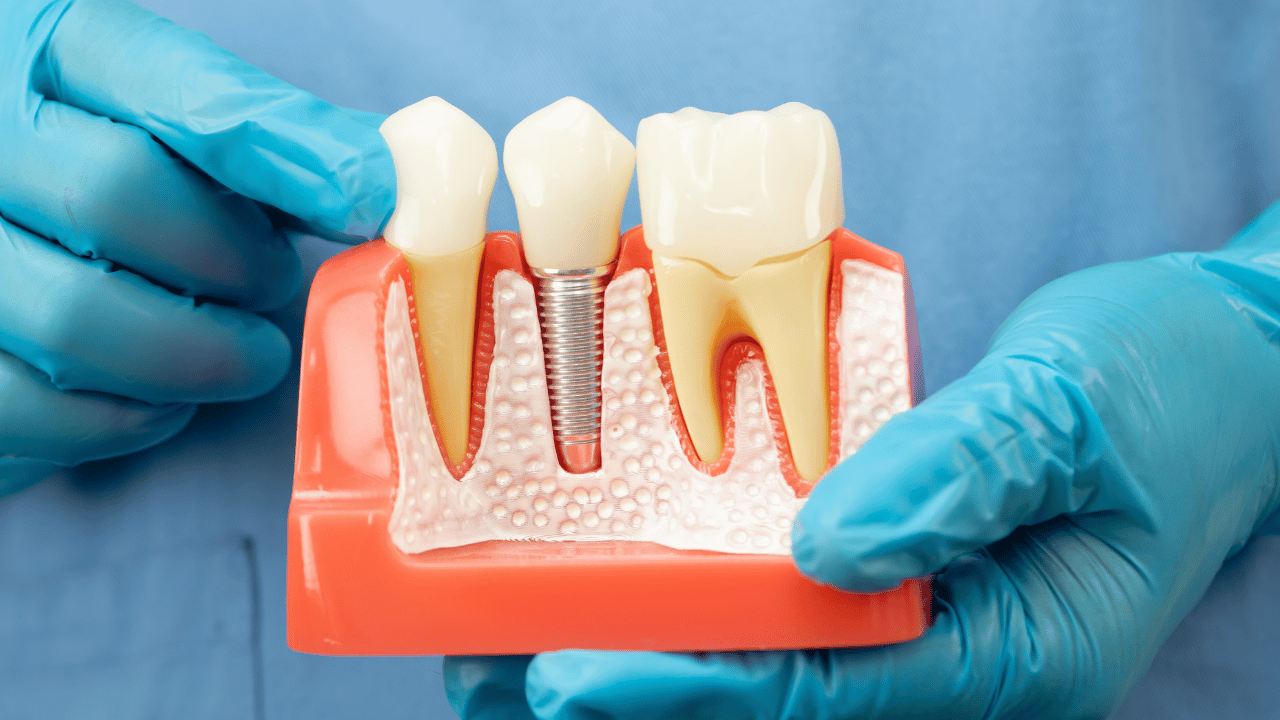
Missing teeth can undermine chewing ability, bone health, and self-confidence, making the choice of replacement critical. In this guide, we’ll explore two proven options—All-on-4 dental implants and removable dentures—so you can decide which offers greater reliability, comfort, and long-term value. We’ll define how each solution works, compare stability and aesthetics, weigh costs and maintenance, and highlight local factors for Tulsa residents. By the end, you’ll understand the pros and cons of All-on-4 implants versus dentures and know how to schedule a personalized consultation at Tulsa Time Dental Design.
TL;DR
All-on-4 implants use four titanium posts to provide a fixed, stable full-arch tooth replacement.
Removable dentures are a non-invasive, affordable option but may compromise bone health and stability.
All-on-4 implants preserve jawbone, offer superior chewing efficiency, and last decades with proper care.
Dentures require regular maintenance, relines, and replacement every 5–7 years.
Tulsa residents should consider oral health, lifestyle, budget, and dental anxiety when choosing between options.
What Are All-on-4 Dental Implants and How Do They Work?
All-on-4 dental implants provide a full-arch tooth replacement by placing four titanium posts into the jawbone, creating a fixed foundation that preserves bone health and restores natural function. This surgical procedure relies on osseointegration—the process by which bone fuses with the implant surface—to deliver permanent stability and improved chewing efficiency. Patients benefit from a streamlined treatment with fewer implants, reduced need for bone grafting, and a prosthesis that looks and feels like real teeth. For more information, you can refer to all-on-4 implants.
What Is the All-on-4 Implant Procedure?
The All-on-4 procedure begins with a comprehensive evaluation of jawbone density and oral health. Four implants are strategically placed—two vertically in the front and two tilted in the back—to maximize support without extensive bone grafting. A custom acrylic or screw-retained bridge is attached the same day, providing an immediate provisional arch. Over the next 2–6 months, osseointegration secures the implants permanently, after which a final prosthesis is delivered.
What Are the Key Benefits of All-on-4 Implants?
Before diving into details, consider these core advantages:
Enhanced Stability – Fixed titanium anchors prevent slippage and eliminate adhesives. (stomatologist.org)
Bone Preservation – Implants stimulate the jawbone, reducing bone loss over time. (stomatologist.org)
Natural Appearance – Custom bridges match gum contours and tooth shade for a lifelike smile. (stomatologist.org)
Longevity – With proper care, implants often last decades, outliving removable options. (stomatologist.org)
Together, these benefits support superior reliability for full-arch restorations.
How Is Recovery and Aftercare Managed for All-on-4 Implants?
Recovery after All-on-4 surgery typically involves 1–2 weeks of mild swelling and discomfort, managed with analgesics and a soft diet. Patients follow specific oral hygiene protocols—gentle brushing, water flossing around implant posts, and antimicrobial rinses—to protect healing sites. Regular check-ups at Tulsa Time Dental Design ensure proper integration before transitioning to a final prosthesis. Long-term care includes routine professional cleanings and daily maintenance to uphold implant health.
What Are Removable Dentures and What Types Are Available?
Removable dentures are custom-fabricated oral appliances that rest on the gums to replace missing teeth and adjacent tissues. They offer an affordable, non-invasive solution and come in several forms to suit different needs: partial dentures fill gaps when some natural teeth remain, complete dentures replace an entire arch, and flexible dentures use pliable materials for enhanced comfort.
What Are the Different Types of Removable Dentures?
When exploring denture options, you’ll encounter:
Partial Dentures – Metal or acrylic frameworks that clasp onto existing teeth to fill one or more gaps.
Complete Dentures – Full-arch acrylic plates that suction to the gums after all natural teeth are removed.
Flexible Dentures – Nylon-based appliances that adapt to gum movements and minimize pressure points.
Each type balances stability, aesthetics, and cost differently to match patient priorities.
How Should Removable Dentures Be Cared For and Maintained?
Denture maintenance requires daily cleaning with a non-abrasive brush and soaking in a cleansing solution overnight. Handling dentures gently prevents cracking, and regular visits to Tulsa Time Dental Design allow relines or adjustments as the jawbone changes. Consistent care minimizes plaque buildup and maintains gum health beneath the appliance.
How Do All-on-4 Implants Compare to Removable Dentures in Reliability and Durability?

When weighing reliability, All-on-4 implants deliver a fixed, integrated solution versus the removable nature of dentures, which can compromise function and bone support over time.
The Impact of Removable Dentures on Oral Health: Myths and Facts / Dangers of Removable Dentures: Health Risks & Jawbone Loss
Studies indicate that removable dentures do not prevent bone loss; instead, they can accelerate bone resorption by applying pressure to the bone surface rather than providing the necessary stimulation that natural teeth or dental implants offer. This lack of stimulation leads to changes in jawbone structure, which can affect denture fit and facial appearance over time. In contrast, dental implants help preserve the jawbone by transferring chewing forces directly into the bone, mimicking natural tooth roots.
This citation verifies the claims regarding bone preservation with implants and the accelerated bone loss associated with removable dentures, which is a critical factor in the long-term reliability comparison.
Are All-on-4 Implants More Stable and Long-Lasting Than Dentures?
Yes, All-on-4 implants are inherently more stable because they anchor into the jawbone, preventing micro-movements that lead to discomfort and prosthetic wear. Clinical studies show a prosthetic survival rate of 98.8% over ten years, far exceeding the typical 5–7-year lifespan of removable dentures.
A longitudinal study of the survival of All-on-4 implants in the mandible with up to 10 years of follow-up
A longitudinal study involving 245 patients with a total of 980 immediate-function All-on-4 implants in the mandible demonstrated a cumulative prosthesis survival rate of 99.2% and an implant survival rate of 94.8% after 10 years. These findings support the long-term viability and high success rates of the All-on-4 concept for fixed full-arch mandibular prostheses.
This research directly supports the article's claims about the longevity and high survival rates of All-on-4 implants over decades, specifically mentioning a 10-year prosthetic survival rate of 98.8% and implant survival rates.
How Do Comfort and Functionality Differ Between All-on-4 Implants and Dentures?
Implant-supported bridges restore over 90% of natural chewing force, enabling a normal diet without worry of slippage. Dentures offer approximately 20–30% chewing efficiency and often affect taste or speech due to palate coverage, whereas implants feel like natural teeth and support clearer articulation.
Comparative evaluation of biting force and chewing efficiency of all-on-four treatment concept with other treatment modalities in completely edentulous individuals
An in-vivo comparative study evaluated the biting force and chewing efficiency among completely edentulous individuals using the All-on-4 treatment concept, implant-supported overdentures, and conventional complete dentures. The study concluded that the All-on-4 treatment concept resulted in the highest biting force and chewing efficiency.
This research directly supports the article's assertion that implant-supported bridges restore significantly more natural chewing force than dentures, highlighting the superior functional outcomes of All-on-4.
What Are the Aesthetic Differences Between All-on-4 Implants and Dentures?
All-on-4 prostheses are crafted to mimic gum contours and tooth anatomy without bulky acrylic flanges, delivering a seamless, lifelike appearance. Removable dentures may display acrylic edges and require periodic rebasing to maintain facial support as bone resorbs, leading to aesthetic changes over time.
How Do Costs and Long-Term Value Compare Between Both Options?
While All-on-4 implants have a higher initial investment—often ranging from $20,000 to $28,000 per arch in Tulsa—their decades-long durability and minimal maintenance yield greater cost-effectiveness over a lifetime. Dentures may cost $1,500–$3,000 per arch but incur recurring expenses for relines, adhesives, and replacements every few years.
Who Is a Suitable Candidate for All-on-4 Implants Versus Dentures?
Ideal All-on-4 candidates have sufficient jawbone density, good overall health, and a commitment to oral hygiene. Patients with significant bone loss may still qualify due to tilted posterior implants avoiding grafts. Dentures suit those seeking non-surgical, budget-friendly solutions or those not ready for implant surgery.
What Factors Should Tulsa Residents Consider When Choosing Between All-on-4 Implants and Dentures?
Selecting between implants and dentures involves weighing oral health, lifestyle, budget, and comfort. Tulsa residents should also factor in dental anxiety and the support systems available at their practice.
How Does Dental Anxiety Affect Tooth Replacement Choices?
Patients with dental anxiety often favor non-invasive dentures to avoid surgery, yet modern sedation and compassionate care at Tulsa Time Dental Design make implant procedures more accessible. Building trust through clear communication and gentle techniques can alleviate stress and expand treatment options.
What Lifestyle and Budget Factors Influence the Best Tooth Replacement Option?
Active eaters and fitness enthusiasts benefit from the robust function of implants, while those prioritizing low upfront costs may start with dentures. Financing plans and insurance coverage at Tulsa Time Dental Design can bridge budget divides, ensuring patients align treatment with both lifestyle and financial goals.
Why Choose Tulsa Time Dental Design for Your Tooth Replacement Needs?
Tulsa Time Dental Design offers advanced All-on-4 implant services, experienced implantologists, and a patient-centric approach that addresses dental anxiety. Our comprehensive facility in Tulsa, OK, ensures seamless coordination of imaging, surgery, and restorative phases—all in one location for your convenience.
What Are Common Patient Questions About All-on-4 Implants Versus Removable Dentures?
Are All-on-4 Implants a Permanent Solution Compared to Dentures?
All-on-4 implants are designed as a permanent solution, anchoring directly into bone and requiring only routine maintenance, whereas removable dentures must be replaced every few years and can shift or wear over time.
How Long Do All-on-4 Implants Last Compared to Removable Dentures?
With proper oral hygiene and regular dental check-ups, All-on-4 fixtures commonly last 20 years or more. In contrast, removable dentures typically need replacement or major adjustment every 5–7 years.
What Are the Disadvantages of Removable Partial Dentures?
Removable partial dentures can irritate gum tissues, accumulate plaque around natural teeth, and contribute to bone resorption. They also require strict daily cleaning routines and may compromise chewing efficiency. For more detailed information, you can visit everything you need to know about dentures.
How Is the All-on-4 Implant Procedure Different From Getting Dentures?
All-on-4 involves surgical placement of implants and a healing period for osseointegration, followed by attachment of a fixed bridge. Denture fabrication is non-surgical, involving impressions and fittings without implant surgery or bone healing intervals.
How Do You Clean and Maintain All-on-4 Implants?
Daily brushing with a soft-bristle brush, interdental water flossing around implant posts, and antimicrobial mouth rinses keep implant sites healthy. Professional cleanings every 3–6 months at Tulsa Time Dental Design remove plaque and monitor implant stability.
How Can Patients Schedule a Consultation for All-on-4 Implants or Dentures in Tulsa, OK?
What to Expect During Your Initial Consultation at Tulsa Time Dental Design?
Your first visit includes a thorough oral exam, digital X-rays, and a detailed discussion of treatment goals. We’ll review medical history, evaluate jawbone health, and outline customized plans for implants or dentures to restore function and confidence.
How Does Tulsa Time Dental Design Support Patients With Dental Anxiety?
From calming office amenities to sedation options and personalized care plans, our team prioritizes patient comfort at every step. We create a supportive atmosphere where questions are welcomed and anxiety is managed through gentle communication and proven relaxation techniques.
Ready to Restore Your Smile? Schedule Your Consultation Today!
Choosing the right tooth replacement is a vital step toward regaining function, confidence, and oral health. Whether you prefer the lasting stability of All-on-4 implants or the affordability of removable dentures, Tulsa Time Dental Design is here to guide you every step of the way. Contact us now to book your personalized consultation and take the first step toward a healthier, more beautiful smile.