
How to Handle Your Lost Filling or Crown Safely
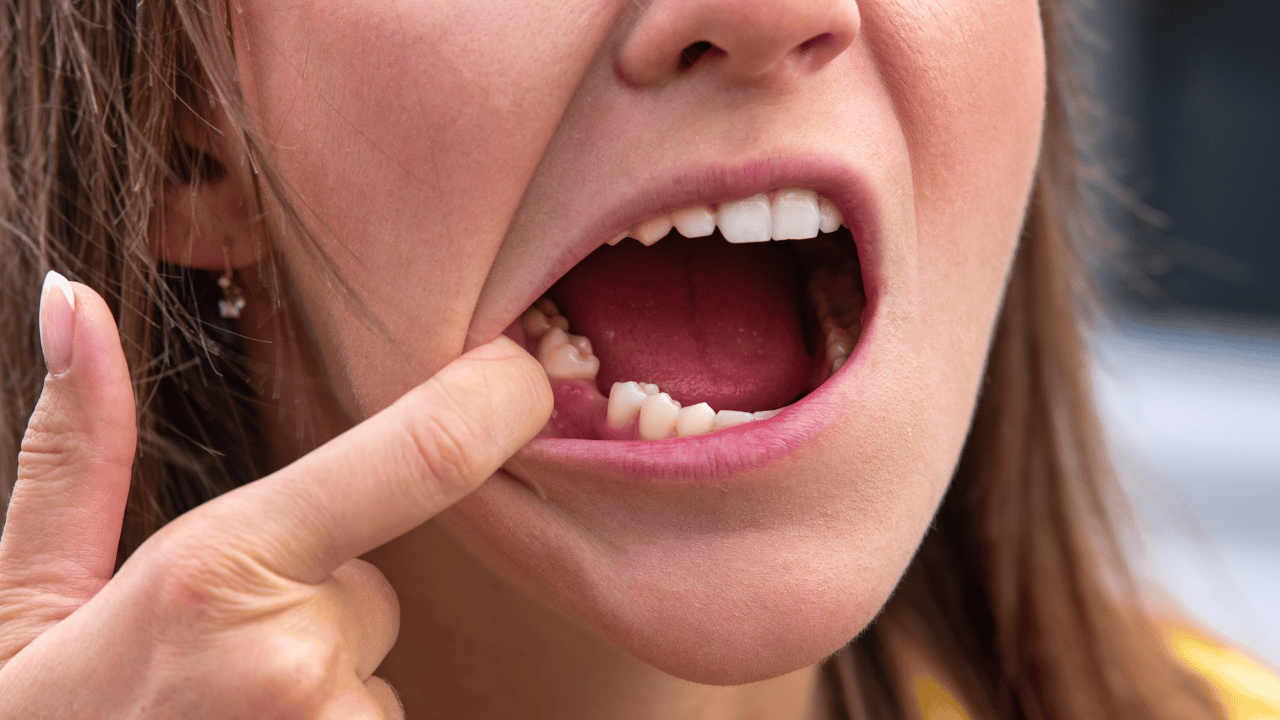
When a filling or crown detaches, it exposes the tooth and often causes sensitivity, sharp edges, or trouble chewing. This guide walks you through immediate steps to protect the tooth, how to tell if it’s an emergency, and the professional treatments that restore function and prevent infection. You’ll find practical temporary fixes, straightforward pain-relief tips, and prevention advice to keep the tooth safe until a dentist can evaluate it. We outline step-by-step actions, red-flag symptoms that need urgent care, an overview of re-cementing and replacement options, including same-day crowns, and answers to common questions about DIY fixes and costs. If you’re in Tulsa, Tulsa Time Dental Design offers emergency appointments, same-day crown solutions, sedation for anxious patients, and flexible payment options to make urgent care accessible.
TL;DR
A lost filling or crown exposes your tooth, leading to sensitivity, sharp edges, or chewing issues.
This guide provides immediate steps, temporary fixes, and pain relief tips to protect your tooth.
Learn how to identify dental emergencies and understand professional treatment options, including same-day crowns.
For Tulsa residents, Tulsa Time Dental Design offers emergency appointments, same-day solutions, sedation, and flexible payment options.
What Are the Immediate Steps to Take When Your Filling or Crown Falls Out?
Acting quickly helps reduce pain, lower infection risk, and preserve the restoration for possible reattachment. If you can, retrieve the crown or filling without touching the inside surface, rinse it gently under warm water to remove debris, and keep it in a clean container. Control any bleeding and rinse with warm salt water to lower bacterial load while you arrange care. Avoid chewing on the affected side and protect the tooth with temporary materials until you see a dentist.
How Do You Secure and Clean a Lost Crown or Filling?
Carefully pick up the restoration by its outer surface to avoid contaminating the interior. Rinse it with warm water, don’t scrub or use household disinfectants that could damage the piece, and store it in a small, sealed container or plastic bag to bring with you. If you can’t find the restoration, take a clear photo of the tooth and any fragments to share with your dentist; photos help determine whether re-cementing is possible. Bringing the restoration, photos, and any packaging to your appointment lets the clinician decide whether re-cementing or full replacement is best.
What Temporary Fixes Can Protect Your Exposed Tooth?
Over-the-counter materials can protect an exposed tooth and ease sensitivity temporarily until professional care is available. Pharmacy temporary dental cement is designed to hold a crown briefly and is the safest short-term option. Dental wax or folded gauze can smooth sharp edges, and sugar-free chewing gum pressed gently over a small defect can act as an emergency plug if no dental cement is on hand. Never use superglue or household adhesives; they can damage tooth surfaces and complicate later treatment.
When Should You Contact an Emergency Dentist for a Lost Crown or Filling?
Call an emergency dentist right away if you have signs of infection, exposed nerve, or trouble breathing or swallowing. Otherwise, arrange care within 24–48 hours to limit complications. Intense, persistent pain or spreading facial swelling means urgent treatment is needed and should prompt immediate contact with an emergency provider. If your only symptom is minor sensitivity, book an appointment within a day or two; delays can let decay or infection progress. Early care preserves tooth structure and often allows simpler fixes like re-cementing instead of extraction.
Severe, unrelenting pain: Contact an emergency dentist now; this often signals nerve involvement that needs prompt attention.
Visible swelling, fever, or pus: Seek urgent care immediately; these are signs of infection that can spread.
Difficulty breathing or swallowing: Go to emergency services right away; airway compromise is life‑threatening.
Local options matter when time counts. Tulsa Time Dental Design offers same-day emergency appointments for lost fillings and crowns, sedation choices for anxious patients, and a calm, efficient approach to stabilize pain and restore restorations. Calling early in the day improves the chance of same-day stabilization or placement to prevent further damage.
What Symptoms Indicate a Dental Emergency After Losing a Filling or Crown?
Emergency signs include intense toothache, sensitivity so severe it disrupts sleep, and swelling or fever that suggests spreading infection. Severe pain often means the pulp (nerve) is exposed or infected, which requires quick treatment to save the tooth or manage the infection. Red flags such as trouble breathing, rapidly increasing swelling, or other systemic symptoms should be treated as medical emergencies and escalated immediately. Catching these signs early reduces the chance of more invasive treatment later.
How Can Tulsa Time Dental Design Help with Same-Day Emergency Appointments?
Tulsa Time Dental Design provides emergency dentistry and restorative care for urgent issues like lost fillings and crowns, including re-cementing and same-day crown options using modern restorative technology. We focus on comfort-first care, with sedation options for nervous patients so emergency visits are manageable. When you call, our team will triage your symptoms, arrange same-day stabilization or restoration when possible, and review financing options to address cost concerns. Prompt care from a practice that offers both emergency scheduling and restorative expertise improves outcomes and lowers the risk of infection or further tooth damage.
Same-Day Monolithic Zirconia Crown for Dental Restoration
Learn how same‑day monolithic zirconia crowns provide a strong, aesthetic solution you can get in a single visit, ideal for urgent restorative needs.
What Professional Treatment Options Are Available for Lost Fillings and Crowns?
Professional treatment aims to restore the tooth with the least invasive effective option, based on tooth structure, decay, and the condition of the original restoration. Options include re‑cementing an intact crown, replacing a filling with composite or amalgam, fabricating a new crown (often same‑day with CEREC-style technology), or advanced treatments like root canal therapy or extraction with implant placement when a tooth isn’t restorable. Your clinician will evaluate structural integrity, check for decay, and assess your bite to recommend the best balance of durability, looks, and cost.
The right treatment balances tooth preservation, expected longevity, and your preferences for appearance and timing. Your dentist will explain the options and recommend whether re-cementing, a replacement restoration, or a more advanced procedure best fits the tooth’s needs.
How Does Re-cementing an Existing Crown Work?
Re-cementing is possible when the crown is intact, and the underlying tooth lacks active decay or major fracture. The dentist inspects and cleans both crown and tooth, prepares the surfaces, and uses dental cement to reseat the crown, then checks your bite for proper contact. Re-cementation is usually quick and can reduce sensitivity immediately, though it may be temporary if underlying problems exist. Follow-up visits are common to monitor retention and ensure no additional restorative work is needed.
What Are the Options for Replacing a Lost Filling or Getting a New Crown?
For lost fillings, dentists commonly use composite (tooth‑colored) materials for visible areas and amalgam where extra durability is needed on chewing surfaces. Crowns are available in ceramic, porcelain‑fused‑to‑metal, and same‑day milled ceramic; same‑day CEREC crowns let clinicians deliver a definitive restoration in one visit, which is especially useful for urgent cases. Material choices affect strength, appearance, and cost; your clinician will explain tradeoffs and tailor recommendations to your functional and aesthetic goals.
When Is Root Canal Therapy or Dental Implant Needed?
Root canal therapy is necessary when decay or trauma reaches the pulp (nerve), causing persistent pain or infection that can’t be managed by a simple filling or re‑cementation. If a tooth is too damaged to restore reliably, extraction followed by a dental implant may be recommended to replace the missing tooth and protect adjacent teeth. Root canal treatment cleans and seals the canals and is usually followed by a crown; implants involve extraction, healing, and placement of an abutment and crown on a titanium implant when preservation isn’t feasible.
How Can You Manage Pain and Sensitivity After Losing a Filling or Crown?

While you wait for dental care, safe OTC measures and topical remedies can reduce discomfort and lower the risk of aggravating the tooth. Saltwater rinses help reduce bacteria and soothe inflamed gums, and topical analgesics like clove oil, used sparingly, can numb localized pain. Over‑the‑counter pain relievers reduce inflammation and discomfort when taken as directed; follow dosing instructions and check with a healthcare provider if you have questions. Avoid hot, cold, hard, or sticky foods and chew on the opposite side to protect the tooth until it’s restored.
Salt-water rinse: Rinse several times a day to reduce bacteria and soothe tissues.
Topical analgesics (clove oil): Apply a small amount with a cotton swab for temporary numbing.
Safe OTC pain relievers: Use as directed to control inflammation and moderate pain.
Using topical and systemic measures together can control symptoms until a dental evaluation. If pain worsens or becomes uncontrollable, seek urgent professional care rather than relying on home remedies.
What Over-the-Counter Remedies Help Alleviate Tooth Pain?
Common OTC options like acetaminophen and nonsteroidal anti‑inflammatory drugs reduce pain and inflammation when used at recommended doses and can help you sleep and eat while waiting for care. Topical products for tooth pain and home remedies such as clove oil offer short‑term relief by numbing the area. Always follow package directions and warnings; extended use without dental assessment can mask an infection. If OTC measures don’t control the pain, seek emergency dental care promptly.
Which Foods and Habits Should You Avoid to Reduce Discomfort?
Avoid very hot or cold drinks and foods, hard or sticky items that can dislodge temporary materials, and acidic beverages that increase sensitivity. Don’t chew on the affected side and skip crunchy snacks or chewy candies until the tooth is restored, as mechanical stress can worsen fractures or loosen partial restorations. Maintain gentle oral hygiene with a soft-bristle brush and careful flossing around the area to keep the site clean without causing further trauma. These habits reduce pain and protect the tooth until you can get definitive care.
How Can You Prevent Future Loss of Fillings and Crowns?
Preventing restoration loss combines good daily hygiene, regular dental checkups, protective devices for grinding or sports, and sensible eating habits that reduce stress on restorations. Brushing twice a day with fluoride toothpaste and flossing at the margins prevents decay where crowns and fillings meet the tooth. Regular exams let your dentist spot early margin breakdown and make repairs before a restoration fails. For those who grind their teeth or play contact sports, custom night guards or sports mouthguards protect restorations from excess force.
Daily care: Brush and floss to reduce decay at restoration margins and keep gums healthy.
Protective devices: Use night guards for bruxism and sports guards for impact protection.
Dietary caution: Limit hard, sticky, and highly acidic foods that stress restoration.
Following these steps helps restorations last longer, leading to fewer emergencies and more predictable dental health.
What Oral Hygiene Practices Protect Dental Restorations?
Protect restorations by brushing along the gumline and flossing carefully to prevent plaque buildup at margins where decay often starts. Fluoride toothpaste and rinses strengthen remaining tooth structure and lower the chance of recurrent decay beneath restorations. Regular dental exams and professional cleanings let clinicians monitor marginal integrity and recommend preventive repairs before loss occurs. Together, mechanical plaque control, fluoride use, and professional care protect restorations effectively.
How Do Mouthguards and Diet Help Prevent Restoration Damage?
Night guards reduce the force from bruxism that causes microfractures and gradual loosening of crowns and fillings, while custom sports guards absorb impact forces that could fracture restorations during activity. Diet matters too: avoiding very hard foods like ice or unpopped kernels and steering clear of sticky candies lowers the mechanical risk of dislodging restorations. Protective devices plus sensible eating habits cut down on the stresses that lead to emergency restorative loss and extend the life of crowns and fillings.
What Are the Most Common Questions About Lost Fillings and Crowns?
Patients often ask whether they can reattach a crown themselves, how long they can wait for care, what temporary materials are safe, and what replacement costs look like. Clear answers help you make safe short‑term choices and encourage prompt professional evaluation to avoid complications.
Can I Reattach a Crown Myself at Home?
We don’t recommend permanent DIY reattachment; household adhesives can damage tooth structure and interfere with professional bonding. If you must do a temporary fix, use only pharmacy temporary dental cement and follow instructions carefully; this preserves the crown for re‑cementation. Avoid superglue or other non‑dental adhesives and never force a crown that won’t seat naturally, as that can fracture the remaining tooth. Plan to see your dentist soon after any temporary home measure for definitive care.
How Long Can I Wait to See a Dentist After Losing a Filling or Crown?
Most of the time, you should see a dentist within 24–48 hours to limit decay and infection risk; a prompt visit often allows simpler repairs like re‑cementing or a replacement filling. If you have severe pain, swelling, or systemic symptoms, seek immediate attention. Short delays may be manageable with temporary measures and pain control, but prolonged waiting increases the chance of more invasive treatment, such as root canal therapy or extraction. Early scheduling preserves options and typically lowers overall treatment complexity.
What Temporary Materials Can I Use Until My Dental Appointment?
Pharmacy temporary dental cement is the preferred short‑term choice for reseating a crown because it’s designed to be removable and tooth‑safe. Dental wax or folded gauze smooths sharp edges and protects soft tissue, while sugar‑free gum can serve as an emergency plug if no dental cement is available. Never use household glues or permanent adhesives, and replace temporary materials frequently to avoid trapping bacteria. Use these only as bridge measures and bring any removed restorations and packaging to your dental appointment.
How Much Does It Cost to Replace a Lost Filling or Crown in Tulsa?
Costs vary depending on whether the tooth can be re‑cemented, needs a replacement filling, or requires a new crown; material choice, complexity, and same‑day technology affect price. Tulsa Time Dental Design offers re‑cementing, same‑day crown options, implant services, and emergency appointments, and the practice can review financing options to help manage out‑of‑pocket costs. For an accurate estimate, contact the office with details and request a consultation; early treatment often reduces overall cost by avoiding more complex procedures later. Prompt scheduling through a practice that offers emergency care and flexible financing brings both clinical and financial peace of mind.
Same-Day Monolithic Zirconia Crown for Dental Restoration
Same‑day monolithic zirconia crowns offer a durable, lifelike restoration fabricated and placed in a single visit, a strong option when speed and strength matter.
Reduce Pain Now
Knowing what to do when a filling or crown falls out can reduce pain and prevent complications. Protect the tooth, use safe temporary measures if needed, and seek prompt dental care; early treatment preserves options and simplifies repair. If you’re in Tulsa, Tulsa Time Dental Design is ready to provide emergency care and same‑day solutions to restore your smile. Don’t wait; contact us today to schedule an appointment and get your dental needs addressed quickly and comfortably.