
The Link Between Gum Disease and Systemic Health

Gum disease (periodontal disease) starts as plaque-driven inflammation of the gums and supporting tooth structures and can progress to bone loss and loose teeth if left untreated. What many people don’t realize is that the bacteria and inflammation that live in the mouth can travel beyond it and affect the metabolic, vascular, and immune systems. This guide breaks down what gum disease is, how it develops, and the biological pathways—like transient bacteremia and chronic inflammation—by which oral disease can influence the heart, lungs, brain, and even the placenta. You’ll also learn about the two-way link between periodontitis and diabetes, how periodontal inflammation adds to cardiovascular risk, and other systemic conditions researchers are studying. We finish with practical steps you can take, how to coordinate care with medical providers, and an overview of local treatment options in Tulsa. To keep things clear and searchable, this page uses practical terms such as gum disease and systemic health, oral bacteria and systemic inflammation, and periodontics Tulsa.
TL;DR
Gum disease is an inflammatory condition that can lead to bone loss and loose teeth.
Oral bacteria and inflammation can travel beyond the mouth, affecting metabolic, vascular, and immune systems.
It has strong links to systemic conditions like diabetes (a two-way relationship) and cardiovascular disease.
Other potential links include respiratory infections, Alzheimer's-type neuroinflammation, and adverse pregnancy outcomes.
Early detection, treatment, and coordinated care with medical providers are crucial for both oral and overall health.
What Is Gum Disease and How Does It Affect Your Oral Health?
Gum disease is an inflammatory disorder of the gums and deeper periodontal tissues caused by dental plaque and a dysregulated immune response. It begins when bacteria accumulate along the gum line and trigger immune signaling. That process can be reversible as gingivitis, but once it becomes periodontitis it can permanently damage the periodontal ligament and the jawbone. Locally you may notice deeper pockets around teeth, receding gums, looseness, and eventually tooth loss. Spotting signs early makes treatment more effective and lowers the chance that oral bacteria and inflammatory chemicals will affect the rest of your body.
What Are the Stages and Causes of Periodontal Disease?
Periodontal disease progresses from mild gingivitis to advanced periodontitis, and clinicians classify stages by inflammation, pocket depth, and bone loss. Gingivitis shows red, swollen gums that bleed but no bone loss. Early periodontitis brings shallow pockets and initial bone changes. Moderate and severe stages have deeper pockets, progressive bone destruction, and tooth mobility. The main drivers are plaque and calculus build-up, shifts in the oral microbiome toward more harmful species, and an overactive inflammatory response. Lifestyle and health factors tobacco use, inconsistent oral care, uncontrolled diabetes, and genetics change how quickly and how badly it progresses.
How Does Gum Disease Develop and Progress?
The process follows a familiar sequence: plaque forms a biofilm on teeth, harmful bacteria multiply, the immune system responds with inflammation, and persistent inflammation damages connective tissue and bone. Bacterial toxins and host cytokines keep the destruction going, and once periodontal pockets form they trap more pathogenic microbes. Poor brushing and flossing, smoking, and systemic issues such as diabetes or immune disorders speed this progression. That’s why prevention and timely professional care are important to stop further damage and reduce systemic effects.
How Does Gum Disease Influence Systemic Health Through Inflammation?
Gum disease affects overall health mainly by letting oral bacteria and inflammatory molecules enter the bloodstream, which raises systemic inflammation and impacts distant organs. Everyday activities (chewing, brushing) and dental procedures can cause brief bacteremia, while chronic gum inflammation leaks pro-inflammatory cytokines CRP, IL-6, TNF-α into circulation. This sustained inflammatory load can harm endothelial function and promote atherosclerosis. These mechanisms help explain links between periodontal disease and conditions such as cardiovascular disease, diabetes, and some respiratory problems. Many studies also show that treating periodontal inflammation lowers systemic markers in many patients, supporting the idea that oral care can benefit whole-body health.
What Role Does Oral Bacteria Play in Systemic Inflammation?
Oral bacteria influence systemic inflammation both directly and indirectly. Microbes or their DNA can enter the bloodstream during routine activities, and bacterial components (for example, lipopolysaccharide) activate immune cells to release cytokines. Researchers have even found oral pathogens in arterial plaques and other distant tissues, suggesting bacteria can travel and trigger local inflammation elsewhere. Repeated spikes of inflammation from persistent periodontal pockets keep the immune system activated. Addressing the oral microbial reservoir reduces these triggers and helps limit downstream immune consequences.
Systemic Diseases Caused by Oral Infection
Oral infections may produce both local and distant inflammatory reactions. Bacteria, inflammatory cytokines, and LPS can reach the bloodstream and contribute to systemic inflammation.
Systemic diseases caused by oral infection, 2000
This cytokine mapping shows how local periodontal inflammation creates measurable systemic signals that can influence disease processes elsewhere. Lowering periodontal inflammation reduces these markers and their downstream effects.
For patients worried about inflammation-driven periodontal disease, Tulsa Time Dental Design uses modern diagnostic tools to find active inflammation and pocketing, and we prioritize comfort and anxiety management during the visit. Our team provides a calm, stress-free evaluation sedation options are available for nervous patients and we design treatment plans from a full periodontal assessment. If you notice persistent bleeding, swelling, or loose teeth, scheduling an evaluation lets us intervene early and coordinate care with your medical providers when systemic health is a concern.
What Is the Connection Between Gum Disease and Diabetes?
There is a clear two-way relationship between gum disease and diabetes: uncontrolled diabetes raises the risk and severity of periodontitis, and active periodontitis can make blood-sugar control harder by increasing systemic inflammation and insulin resistance. High blood glucose impairs immune defenses and tissue repair, while periodontal inflammation raises cytokines like IL-6 and TNF-α that interfere with insulin signaling. Clinical trials and meta-analyses report modest but meaningful drops in HbA1c after effective periodontal therapy for people with Type 2 diabetes, so periodontal care is a helpful part of diabetes management. Knowing this two-way link helps patients and clinicians work together to improve both oral and metabolic health.
How Does Gum Disease Worsen Blood Sugar Control in Diabetes?
Periodontal inflammation affects blood-sugar control mainly by promoting inflammation-driven insulin resistance: cytokines from periodontal tissues circulate systemically and disrupt insulin receptor signaling in muscle and liver. Research shows greater periodontitis severity often corresponds with higher average HbA1c, and chronic oral infection increases the total inflammatory burden the body must manage. That makes glycemic targets harder to reach. Improving periodontal health is therefore a practical adjunct to diabetes care that can help ease metabolic control.
Can Treating Gum Disease Improve Diabetes Management?
Yes treating gum disease can help with diabetes management. Randomized trials and meta-analyses report average reductions in HbA1c after non-surgical periodontal therapy, indicating dental treatment can support metabolic control. Typical care includes scaling and root planing, followed by periodontal maintenance and reinforced home care; these steps reduce the local bacterial load and lower systemic inflammatory markers. We recommend coordinating dental treatment with your primary care provider or endocrinologist so glucose levels can be monitored and medications adjusted if needed. Ongoing periodontal maintenance helps sustain benefits and reduce relapse.
Periodontitis and Diabetes: A Bidirectional Relationship
The bidirectional link between periodontitis and diabetes underscores the need for integrated care when managing these chronic conditions.
Chronic inflammation and glycemic control: Exploring the bidirectional link between periodontitis and diabetes, MK Singh, 2025
This comparison highlights the value of integrated dental–medical care for patients with diabetes, where periodontal therapy becomes part of a larger chronic disease strategy.
Tulsa Time Dental Design provides periodontal therapy options suitable for patients with diabetes, including scaling and root planing, periodontal maintenance visits, and coordinated care plans that focus on glycemic control and infection management. We encourage patients with diabetes to notify their medical team so treatment timing and monitoring can be coordinated. Anxiety-sensitive care and sedation options are available to help patients complete necessary therapy comfortably.
How Does Gum Disease Increase the Risk of Heart Disease and Stroke?
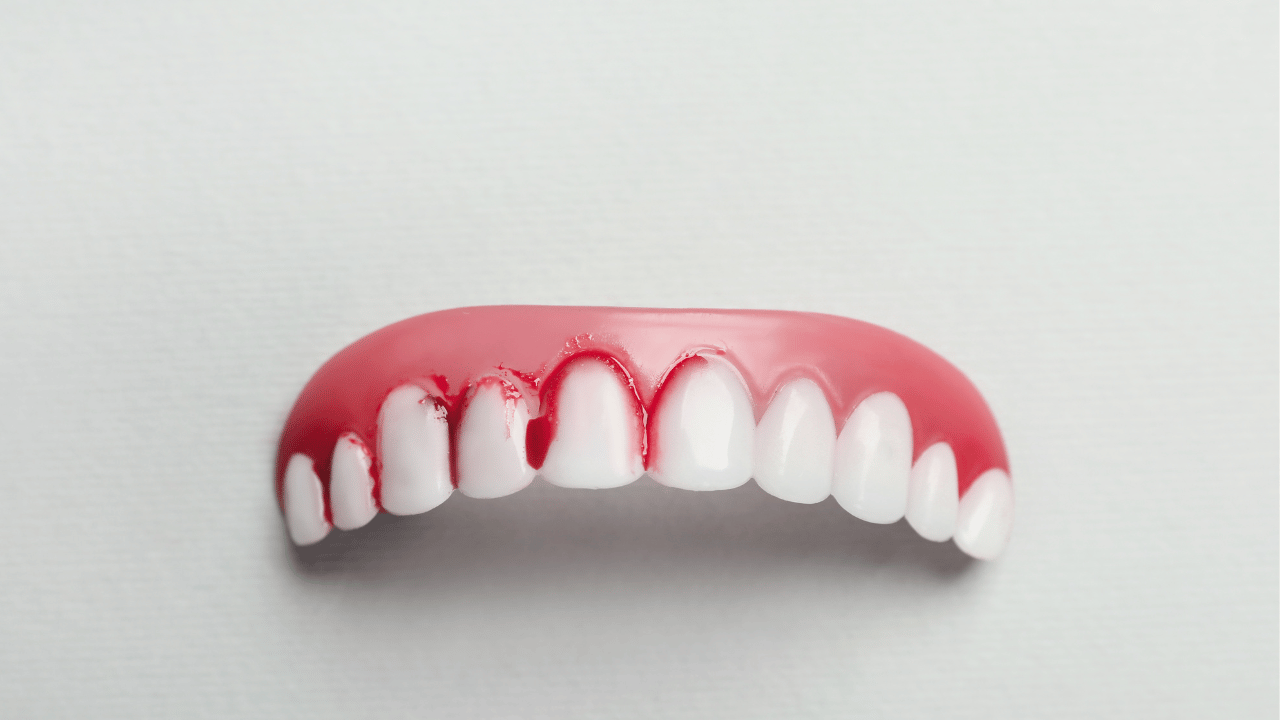
Gum disease may raise the risk of heart disease and stroke by adding microbial and inflammatory factors that promote atherosclerosis and destabilize vascular plaques. Oral pathogens and inflammatory mediators can worsen endothelial function, increase lipid oxidation, and draw immune cells to vessel walls processes central to plaque formation and progression. Epidemiological studies show a modest but consistent increase in cardiovascular risk among people with periodontitis, especially when other risks like smoking, diabetes, or older age are present. Controlling periodontal inflammation is a sensible part of broader cardiovascular risk-reduction measures.
What Is the Oral-Cardiac Connection in Cardiovascular Disease?
The oral–cardiac link works through three main pathways: bacteremia that delivers oral microbes to the circulation, systemic inflammation that accelerates endothelial dysfunction, and molecular mimicry that may trigger immune reactions in vessel walls. Oral pathogens found in periodontal pockets have also been detected in atheromatous plaques, and higher CRP and cytokine levels tie periodontal disease to vascular inflammation. Clinically, improving oral health can lower inflammatory markers and support cardiovascular risk management, which is why dental assessment is useful when evaluating cardiac risk.
Periodontal Inflammation and Cardiovascular Disease Risk
The role of oral bacteremia and periodontal inflammation in atherosclerosis is an active area of research. This review examines how periodontal inflammation and oral microorganisms may contribute to the development and progression of cardiovascular disease.
Association between periodontal and cardiovascular diseases has been well characterized, but causal correlation is yet to be established. For instance, untreated gingivitis can progress to periodontitis. Periodontal disease has been associated with several systemic diseases one of which is atherosclerosis. One possible association that was documented in literature is that poor oral hygiene leads to bacteremia, which in turn can cause bacterial growth over atherosclerotic coronary artery plaques and possibly worsen coronary artery disease.
Periodontal inflammation and the risk of cardiovascular disease, A Priyamvara, 2020
What Are the Cardiovascular Risks Associated With Periodontal Disease?
Studies vary, but meta-analyses generally report a modestly higher cardiovascular risk often in the 1.1 to 1.5 times range for coronary heart disease and stroke among people with moderate-to-severe periodontitis. This risk increases further when combined with smoking, diabetes, or older age. For patients, the practical message is that controlling periodontal inflammation can lower systemic inflammatory burden and support other heart-healthy measures such as quitting smoking, managing blood pressure, and controlling cholesterol. Regular dental care and collaboration with cardiology or primary care providers are recommended for those with elevated cardiovascular risk.
What Other Systemic Conditions Are Linked to Gum Disease?
Beyond diabetes and heart disease, periodontal disease has been linked to respiratory infections, Alzheimer’s-type neuroinflammation, adverse pregnancy outcomes, and possible interactions with autoimmune conditions. Oral pathogens can be aspirated into the lungs, raising pneumonia risk in vulnerable people, and chronic oral inflammation may contribute to neuroinflammatory pathways that researchers associate with cognitive decline. Many of these links show association rather than proven cause, so evidence strength varies. Still, keeping your gums healthy is a low-risk preventive step with potential benefits across multiple systems.
How Does Gum Disease Affect Respiratory and Alzheimer’s Diseases?
Gum disease affects respiratory health by allowing oral pathogens to be aspirated into the lungs and by increasing systemic inflammation that weakens pulmonary defenses both raise pneumonia risk, especially in frail adults. In Alzheimer’s research, investigators have found oral bacterial components and inflammation markers in brain tissue, suggesting a possible role in neuroinflammation and amyloid-related processes. While causation remains under study, reducing chronic oral inflammation cuts systemic inflammatory signals and may be one modifiable factor in protecting brain health. Maintaining good oral hygiene and seeking periodontal care are sensible parts of overall risk reduction.
What Is the Impact of Gum Disease on Pregnancy and Autoimmune Conditions?
Periodontal disease has been associated with higher likelihood of adverse pregnancy outcomes, such as preterm birth and low birth weight, probably due to systemic inflammation and microbial translocation though reported risk levels vary across studies. For people with autoimmune diseases, periodontal inflammation can add to systemic immune activation and may influence disease activity in some cases, but evidence differs by condition. Importantly, periodontal care is generally safe during pregnancy and can be scheduled to maximize maternal and fetal safety. Coordination between dental and medical teams helps deliver effective, safe care during pregnancy and when autoimmune disease is present.
Key systemic links to be aware of include:
Respiratory infections: aspiration and inflammation increase pneumonia risk in vulnerable patients.
Neuroinflammation: emerging evidence links oral pathogens and inflammatory signals with Alzheimer’s-type pathology.
Pregnancy outcomes: periodontal inflammation is associated with higher risk of preterm birth and low birth weight in some studies.
These connections reinforce why oral health belongs in preventive healthcare and why dental–medical collaboration matters for at-risk people. The next section explains local treatment options and patient-centered care available in Tulsa.
How Can Tulsa Time Dental Design Help Protect Your Oral and Overall Health?
Tulsa Time Dental Design provides patient-centered periodontal care that focuses on controlling oral disease and lowering systemic inflammatory burden always with attention to comfort and anxiety management. We begin with a thorough periodontal assessment to locate inflammation, pocketing, and bone loss, then build a personalized treatment plan that favors non-surgical options when appropriate and advances to surgical care when necessary. Our team emphasizes modern techniques, sedation options for nervous patients, and clear, friendly next steps so you can start care quickly. Under the leadership of Dr. Rick Franklin, our staff aims to make each visit calm and reassuring while improving both oral and overall health.
What Gum Disease Treatments and Periodontics Services Are Offered in Tulsa?
Tulsa Time Dental Design offers services to diagnose and treat periodontal disease, reduce oral bacterial reservoirs, and maintain periodontal stability. Our services include periodontal assessment and diagnosis, scaling and root planing to remove subgingival biofilm and calculus, periodontal maintenance visits to preserve healing, and referral pathways for surgical periodontal care or implant dentistry when tooth replacement is needed. We prioritize patient comfort with sedation options and coordinate care with medical providers when systemic health concerns, like diabetes or cardiovascular disease, are present. To schedule an evaluation, call our office or use the contact options listed on the site to discuss your needs and next steps.
In addition to essential periodontal care, Tulsa Time Dental Design provides cosmetic dentistry services to enhance your smile. These treatments can complement oral health by improving appearance and confidence ask us how cosmetic care can fit into your overall treatment plan.
How Does Managing Gum Disease Improve Your Systemic Health?
Controlling gum disease removes a key source of chronic inflammation and bacterial translocation, which can reduce systemic markers such as CRP and IL-6, support healthier endothelial function, and help metabolic control for people with diabetes. Expected results include healthier gums (shallower pockets, less inflammation), possible modest reductions in HbA1c for diabetic patients, and a lower overall inflammatory burden that may benefit heart and lung health. Regular periodontal maintenance, quitting smoking, and working with your primary care provider strengthen these systemic gains and help you keep improvements over time.
Tulsa Time Dental Design’s patient-first approach comfortable surroundings, sedation options for anxiety management, and clear appointment steps supports people who need periodontal therapy to protect both oral health and overall wellbeing. Our office is located at 3747 E 11th St, Tulsa, OK 74112. Dr. Rick Franklin and our experienced team will guide you from diagnosis through treatment and long-term maintenance. We encourage you to schedule an evaluation so we can build a treatment plan that fits your oral and systemic health goals.
Common next steps after a periodontal evaluation:
Diagnostic imaging and charting: Establish baseline pocket depths and bone levels.
Initial non-surgical therapy: Scaling and root planing to control infection.
Maintenance schedule: Regular follow-up visits to prevent recurrence.
These steps form a clear path from diagnosis to ongoing care that reduces oral inflammation and supports your overall health goals.
Take Proactive Steps Now
Recognizing the link between gum disease and systemic health shows why oral hygiene matters for your whole body. Treating periodontal disease lowers inflammation and can reduce risks tied to conditions like diabetes and cardiovascular disease. Taking proactive steps such as scheduling regular dental checks, improving home care, and working with medical providers can meaningfully improve both oral and systemic health. Learn more about comprehensive periodontal care and contact us at Tulsa Time Dental Design and let our team help protect your health today.