
What to Expect with the Cost of Teeth Whitening Procedures

Professional teeth whitening is a cosmetic dental service where a dentist supervises bleaching agents and uses custom delivery methods to safely and predictably brighten tooth color. Many people in Tulsa ask about whitening costs because price, comfort, and how long results last vary a lot between in-office treatments, dentist‑provided take‑home kits, and over‑the‑counter products. This page walks through typical local price ranges, the main factors that affect cost, ways to keep treatment affordable, what results and maintenance look like, how sensitivity is managed, and the questions patients ask most. You’ll get clear, local cost ranges for each option, practical tips to lower out‑of‑pocket expense, and guidance for choosing a safe, effective plan that fits your goals. The sections that follow break down pricing, share sensitivity‑management tips, and explain how to get a personalized estimate from a Tulsa dentist when you’re ready to move forward. By the end, you’ll understand not just what whitening costs in Tulsa, but why those costs vary and how to plan for comfortable, predictable results.
TL;DR
Cost Varies Widely: In-office whitening ($300-$1,000), dentist-provided take-home kits ($100-$600), and OTC products ($5-$400) have distinct price ranges.
Factors Affecting Cost: Stain severity, technology used, and pre-treatment needs (like cleanings) significantly influence the final price.
Affordable Options: Take-home kits, combining treatment with routine cleanings, and financing plans can make professional whitening more accessible.
Insurance Coverage: Cosmetic teeth whitening is generally not covered by dental insurance.
Longevity & Value: Professional results typically last 6 months to 3 years, offering better predictability, safety, and long-term value than most OTC options.
Managing Sensitivity: Sensitivity is common and temporary; it can be managed with desensitizing toothpaste, adjusted gel concentrations, and proper aftercare.
How Much Does Professional Teeth Whitening Cost in Tulsa?
In Tulsa, professional in‑office whitening commonly ranges from $300-$1,000; dentist‑provided take‑home kits typically cost $100-$600; and over‑the‑counter whitening products usually range from $5-$400 depending on type and strength. Those price differences reflect the level of service, whether exams or cleanings are included, the peroxide concentration in the gel, and whether custom trays or specialized lamps are used. A clear local price range helps set realistic expectations and compare true value - not just the sticker price.
Different whitening methods deliver different outcomes depending on how the product is applied and whether a clinician oversees treatment. This shows how price ties to service features and the level of professional monitoring. Understanding those differences helps you decide which approach best fits your expectations.
What Are the Typical Price Ranges for In-Office Teeth Whitening?
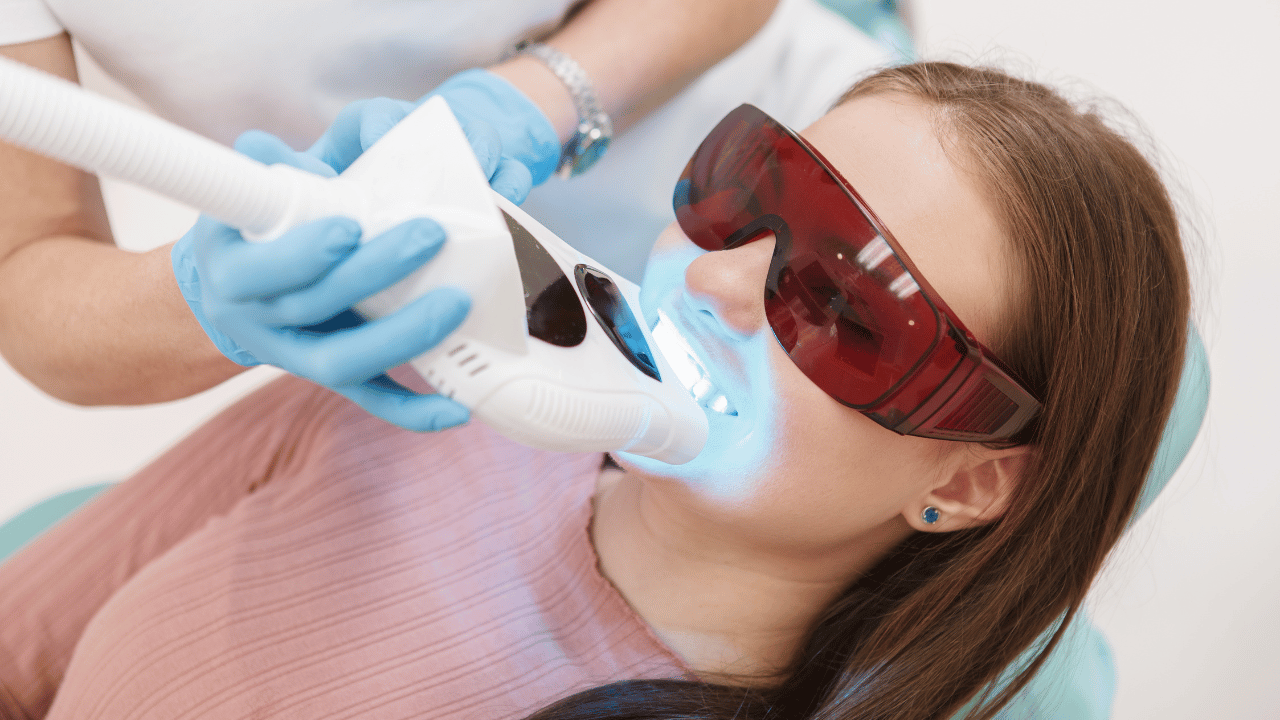
In‑office whitening is a focused, clinician‑applied procedure that can produce noticeable shade improvement in one or a few sessions. Pricing reflects the treatment intensity and the technology used. A standard single‑session treatment with professional‑strength peroxide and chairside supervision generally falls in the lower‑to‑mid part of the Tulsa in‑office range; branded systems, high‑intensity lamps, or multiple sessions push the price toward the higher end. In‑office visits typically include protective barriers, monitoring for sensitivity, and time for shade assessment or photos. Patients with extensive restorations or deep intrinsic staining may need staged treatments or adjunct procedures, which increases cost. Knowing what’s included up front helps prevent surprise charges and makes it easier to compare quotes fairly.
How Much Do Dentist-Provided At-Home Whitening Kits Cost?
Dentist‑provided take‑home kits combine professional oversight with the convenience of at‑home wear and usually include custom‑fitted trays and stronger gel than most OTC options. That’s why their cost sits between OTC products and in‑office services. In Tulsa, kit prices depend on gel concentration and tray complexity: a basic custom‑tray kit with several syringes of gel tends toward the lower end of the $100-$600 band, while extra gel supply or expedited lab work raises the price. Custom trays improve gel contact with tooth surfaces for more even whitening and fewer hot spots than generic trays, and follow‑up with your dentist keeps treatment safe and on track. For many patients, take‑home kits strike a practical balance of cost, convenience, and reliable improvement over a few weeks.
What Factors Influence Teeth Whitening Prices in Tulsa?
Several clear drivers explain why two seemingly similar whitening offers can cost very different amounts: baseline stain type, the specific technology or brand used, pre‑treatment needs like cleanings or restorations, and how many sessions are needed. Each factor affects clinician time, materials, and follow‑up, which together determine the final charge. Knowing these cost drivers helps you focus on what matters most for value versus lowest price. The short list below highlights the primary influencers so you can see what will affect your estimate.
Stain severity and type - deeper, intrinsic stains often require more time and stronger agents.
Technology and brand - branded systems and advanced lamps add equipment and supply costs.
Pre‑treatment needs - cleanings, fillings, or replacement restorations add necessary costs before bleaching.
Recognizing how these elements interact helps you budget realistically. Knowing these relationships lets you ask targeted questions at your consultation and compare treatment recommendations with pricing more confidently.
How Do Stain Severity and Desired Shade Affect Whitening Cost?
Your starting shade and the type of discoloration determine how aggressive the whitening plan must be. Surface stains from coffee or tea usually respond faster than deeper, intrinsic stains from medications or aging. Deeper discoloration may need multiple sessions or a combination of in‑office and take‑home treatments, which increases the number of visits and the total gel volume - and therefore the cost. If you want a dramatic change rather than a modest brightening, expect more time and expense; if a subtle improvement is fine, you can achieve that more economically. An initial consult to estimate treatment needs helps set a realistic price range and avoid mid‑treatment surprises.
What Role Does Whitening Technology Play in Pricing?
Whitening technology - LED lamps, laser‑activated systems, or branded bleaching protocols - affects both results and price because equipment, licensed consumables, and training all add expense. Branded, high‑intensity systems are often sold with proprietary gels and protocols that produce faster visible shifts, and clinics that invest in that equipment pass some of the cost to patients. LED options tend to be less expensive than high‑end laser systems but still accelerate peroxide activation compared with passive at‑home wear. Technology choices also affect session length and protective measures, so clinics and patients should weigh faster results against higher upfront cost. Understanding these differences explains why two in‑office quotes may not be directly comparable.
How Can You Make Teeth Whitening Affordable in Tulsa, OK?
Keeping whitening affordable usually means combining sensible financing, choosing the most cost‑effective approach for your goals, and planning maintenance to avoid full repeat treatments. Many patients find dentist‑provided take‑home kits offer the best middle ground between cost and effectiveness, especially when paired with payment plans. Prioritizing necessary pre‑treatment (like cleanings) can make whitening more efficient and reduce overall product use. Below are practical strategies patients use to manage out‑of‑pocket costs while keeping professional oversight.
Choose a take‑home kit when steady, at‑home progress fits your budget.
Combine whitening with routine cleanings to improve results and reduce sessions.
Use financing or payment plans to spread costs over time instead of paying one lump sum.
Each strategy balances immediate cost with long‑term value. These options make it clear that insurance rarely covers cosmetic whitening, but financing and treatment choice often make professional whitening achievable without compromising quality. Below we describe the financing details a local practice may offer and how to arrange them.
What Financing Options Does Tulsa Time Dental Design Offer?
Tulsa Time Dental Design provides accessible care with flexible financing and personalized treatment plans. During a consultation, our staff will review payment options to find what fits your budget. We offer pathways to spread the cost of in‑office or take‑home whitening, and we’ll explain timing and choices so you can make an informed decision. To discuss financing or request plan details, call our office for a confidential conversation and to schedule a consult that includes a personalized estimate based on your exam. Contact us to learn payment options and to book a visit that outlines the cost of your custom plan.
Is Teeth Whitening Covered by Dental Insurance?
No - dental insurance typically does not cover cosmetic teeth whitening because it’s considered an elective cosmetic procedure, though rare exceptions can apply if whitening is part of medically necessary treatment or trauma rehabilitation. Review your plan documents and speak with your insurer if you think an exception might apply, but expect most whitening costs to be out‑of‑pocket. To bridge the gap, many patients use financing or staged approaches; ask your dentist about lower‑cost take‑home kits or phased treatment if affordability is a concern.
What Are the Benefits and Longevity of Professional Teeth Whitening?
Professional whitening generally produces faster, more even, and longer‑lasting results than most over‑the‑counter options because clinicians control concentration, application, and follow‑up. Beyond the immediate shade change, professional care reduces the risk of uneven whitening, overuse of high‑concentration agents, and unmanaged sensitivity. Many patients also report increased confidence and better oral hygiene habits after whitening, which helps preserve results. The section below explains typical durability and why professional care can represent better long‑term value than repeated OTC purchases.
How Long Do Teeth Whitening Results Typically Last?
Results typically last from about six months to three years, with most patients noticing gradual relapse over the first 6-12 months, especially if they consume staining foods or smoke. Factors that shorten longevity include frequent intake of stain‑causing beverages, poor oral hygiene, and tobacco use. Regular touch‑ups with dentist‑supplied gel or whitening toothpaste can extend the effect. Clinicians commonly recommend periodic at‑home touch‑ups or a maintenance appointment every 6-18 months depending on results and habits. Planning a maintenance schedule helps you get the most value from your initial treatment and avoid the expense of full retreatment.
Why Is Professional Whitening Worth the Investment?
Professional whitening is often worth the extra cost because it delivers predictable color improvement, safer application, and treatment plans tailored for restorations and sensitivity risks. Over time, repeatedly buying OTC strips or misusing consumer gels can be more costly and less effective than one supervised plan with custom trays or a single in‑office session. Clinician oversight reduces the risk of enamel overexposure and allows immediate management of sensitivity or uneven response. If you care about outcome, safety, and efficiency, the professional route usually gives the best balance between upfront cost and lasting appearance.
How Can You Manage Sensitivity During and After Teeth Whitening?
Tooth sensitivity during or after whitening is common and usually temporary. It results from short‑term changes in enamel and dentin that can make nerve endings more responsive to hot or cold. Understanding this helps guide effective interventions and avoid stopping treatment unnecessarily; desensitizing agents and adjusted application protocols both reduce discomfort. Managing sensitivity before and after whitening improves comfort and helps you complete the recommended course for best results. The checklist below shows practical measures patients can take to minimize sensitivity.
Use a desensitizing toothpaste with potassium nitrate for at least two weeks before and after whitening.
Ask for lower‑concentration gel or shorter application times if sensitivity appears during treatment.
Avoid very hot or very cold foods and drinks for the first 48-72 hours after whitening sessions.
These steps ease transient sensitivity for most patients. The following section explains causes and options when sensitivity persists.
What Causes Whitening Sensitivity and How Is It Treated?
Whitening sensitivity happens when peroxide temporarily increases dentin permeability or transmits mild irritation to the pulp, producing sharp or aching sensations that generally resolve within days to weeks. Treatment options include switching to lower‑concentration gels, applying in‑office desensitizing agents, using potassium nitrate toothpaste, and spacing sessions to allow recovery between applications. If sensitivity is severe or lasts longer than expected, your dentist will check for underlying issues such as exposed root surfaces, faulty restorations, or active decay that should be treated before continuing. Early communication with your dentist lets them adjust your plan to protect comfort and oral health.
What Are the Best Practices to Minimize Discomfort?
To reduce whitening‑related discomfort, pre‑treat with desensitizing toothpaste, follow exact tray wear times, use custom trays for even gel distribution, and avoid highly acidic or very hot/cold foods right after treatment. Follow your dentist’s timing recommendations and report notable sensitivity so concentration or duration can be adjusted - that preserves results while minimizing pain. Over‑the‑counter remedies like cold packs may provide short relief but don’t address the underlying sensitivity mechanism and shouldn’t replace professional guidance. Staying in close contact with your clinician ensures you complete the whitening plan comfortably and reach your desired shade.
What Are the Most Common Questions About Teeth Whitening Cost?
Patients often ask how professional whitening compares to OTC options, whether insurance covers treatment, and what makes one practice different from another. Short, direct answers can help you decide whether to schedule a consult. The Q&A below highlights key trade‑offs and the questions you should raise to get a personalized estimate.
How Much Does Professional Teeth Whitening Cost Compared to Over-the-Counter Products?
Professional whitening usually costs more up front - typical dentist‑provided take‑home kits range from $100-$600 and in‑office sessions from $300-$1,000 - while OTC products range roughly $5-$400. But professional options deliver faster, safer, and longer‑lasting results thanks to stronger formulations, customized fit, and clinician oversight. Over time, repeated OTC purchases and uneven results can match or exceed the cost of a single professional plan in both money and satisfaction. For many people, a dentist‑provided take‑home kit is the best middle ground between price and reliable results. Ask your dentist for an estimate based on your stain type to choose the most cost‑effective plan.
How Do Tulsa Time Dental Design's Whitening Services Compare to Competitors?
Tulsa Time Dental Design focuses on expert care and modern treatments, offering both in‑office and take‑home whitening with attention to patient comfort and personalized plans - including options for those with dental anxiety. Our emphasis on clear communication, comfortable visits, and flexible financing sets us apart for patients seeking predictable whitening in Tulsa. If you value clinician‑guided results, transparent pricing, and a comfortable experience, ask us about recommended options and a tailored estimate. Visit our About page to learn more and schedule an appointment.
Ready to talk through your whitening goals? Call our office to book a consultation and receive a personalized estimate.
Whiten Your Teeth Now
Knowing the costs and options for professional teeth whitening in Tulsa helps you choose a plan that fits your budget and goals. From in‑office treatments to dentist‑provided take‑home kits, professional care offers safer, more predictable results and better long‑term value than most DIY options. If you’d like help deciding which approach is right for you, contact Tulsa Time Dental Design to explore options and get a personalized estimate tailored to your needs.