
The Friendly Approach to Understanding Dental Anxiety

If visiting the dentist makes you tense, you’re far from alone, and there are reliable ways to make care calm and manageable. This guide walks you through what dental anxiety and dental phobia look like, why they develop, and how practical strategies, gentle techniques, and sedation options can help you get the treatment you need with less stress. You’ll learn common symptoms and triggers, how nitrous oxide and oral sedation differ, and simple non-drug comforts (clear communication, small amenities, and pre-visit planning) to use before and during appointments. We also explain how Tulsa Time Dental Design and Dr. Rick Franklin approach anxiety-sensitive care so you know what to expect at a consultation. Read on for clear, usable steps toward more comfortable dental visits in Tulsa.
TL;DR
Understand dental anxiety and phobia: what they are and why they develop.
Explore practical strategies, gentle techniques, and sedation options.
Learn about common symptoms, triggers, and non-drug comforts.
Discover how Tulsa Time Dental Design approaches anxiety-sensitive care.
Get clear, usable steps for more comfortable dental visits in Tulsa.
What are dental anxiety, dental phobia, and fear of the dentist?
Dental anxiety describes the normal nervousness many people feel before or during dental care. Dental phobia is a stronger, persistent fear that can lead to avoiding appointments altogether. Both involve learned fear responses and the body’s stress systems, which can make sensations feel more intense. Knowing the difference helps you and your dentist choose the right approach, from simple communication and coping skills to brief sedation or a combination of strategies. Recognizing symptoms early makes treatment easier and protects your oral health.
How do dental anxiety, fear, and phobia differ?
Mild dental anxiety usually means worry or butterflies before an appointment, but you still attend and complete care. Fear of the dentist is stronger and may cause shaking, avoiding visits, or intense dread just thinking about treatment. Dental phobia is the most severe and can disrupt daily life, causing people to skip needed care. Many adults experience significant dental fear, and the level of severity guides which supports make the most sense, such as gentle communication, coping tools, or structured treatment with possible sedation.
What are the common symptoms of dental anxiety and phobia?
Signs of dental anxiety and phobia can be physical, emotional, or behavioral. Physically, you might notice a racing heart, sweating, trembling, shallow breathing, or nausea as an appointment approaches. Emotionally, there may be strong worry, dread, or feelings of helplessness. Behaviorally, people often cancel, delay, arrive late, or avoid dental care altogether. If these reactions regularly prevent treatment or trigger panic attacks, talk with your dental team about options ranging from simple adjustments to sedation evaluation.
What causes dental anxiety and fear of the dentist?
Dental anxiety usually comes from predictable sources: a painful past procedure, fear of needles or drills, feeling out of control, embarrassment about your teeth, or broader anxiety that affects dental visits. These experiences can build through conditioning, where a single negative event or repeated discomfort links the dental office with fear. Understanding the root of anxiety helps determine the right approach: gradual exposure and clear, predictable steps reduce uncertainty, while sedation can lower physical arousal when triggers are strong. Addressing causes early helps prevent avoidance and worsening dental problems.
How does dental anxiety affect patient behavior and oral health?
Avoiding the dentist lets small problems grow: cavities deepen, gum disease progresses, and restorative needs become more involved which in turn increases anxiety and creates a painful cycle. Beyond dental consequences, people may feel shame, withdraw socially, or lose confidence as oral health declines. Stress responses during treatment can also make sensations feel worse. Breaking this cycle early saves time, discomfort, and cost. Managing anxiety helps preserve function, appearance, and overall wellbeing by making timely, less invasive care possible.
How can sedation dentistry help overcome dental anxiety in Tulsa?
Sedation dentistry lowers the brain’s arousal response so patients tolerate procedures with less distress and better cooperation, while staff maintain safe monitoring. Sedation works through inhaled gases or oral medications to reduce sympathetic nervous system activity and blunt pain perception, making procedures feel easier and recovery more predictable. Compared with behavioral approaches alone, sedation can be a fast, dependable way to enable care for moderate to severe anxiety or for longer treatments. Below, we compare common sedation methods so you can discuss options with your dentist.
Sedation choices differ by how quickly they start, how deep the relaxation is, and how long effects last. The right selection depends on your anxiety level, procedure length, medical history, and personal preference. A candid conversation with your dental team produces an individualized plan that balances comfort and safety. Next, we explain the sedation options Tulsa Time Dental Design commonly uses.
What types of sedation dentistry are available at Tulsa Time Dental Design?
We commonly offer nitrous oxide and oral conscious sedation as safe, practical options for anxious patients. Nitrous oxide works within minutes and wears off quickly after the mask is removed. It’s ideal for mild to moderate anxiety and short visits. Oral sedation is a prescribed pill you take before your appointment to reach deeper relaxation for longer or more stressful procedures.
This overview shows why nitrous oxide often fits short, anxiety-filled visits, while oral sedation suits longer or more stressful treatments. Talk with your dentist to find the best balance of comfort and safety for your needs.
Who is a candidate for sedation dentistry and what to expect?
Good candidates include people with moderate to severe dental anxiety, a strong gag reflex, those facing lengthy restorative or implant work, or anyone unable to tolerate in-office treatment comfortably. We do a medical screening checking health history, medications, and allergies to safely choose a sedation method. You’ll also receive informed consent explaining risks, benefits, and logistics. On the appointment day, follow fasting or medication instructions, arrange a ride home if you use oral sedation, and expect a supervised recovery period with clear aftercare directions.
These pairings are typical. A consultation confirms the best plan for your situation. Tulsa Time Dental Design reviews options during a pre-visit evaluation to personalize care and keep you safe.
What is gentle and anxiety-free dental care?
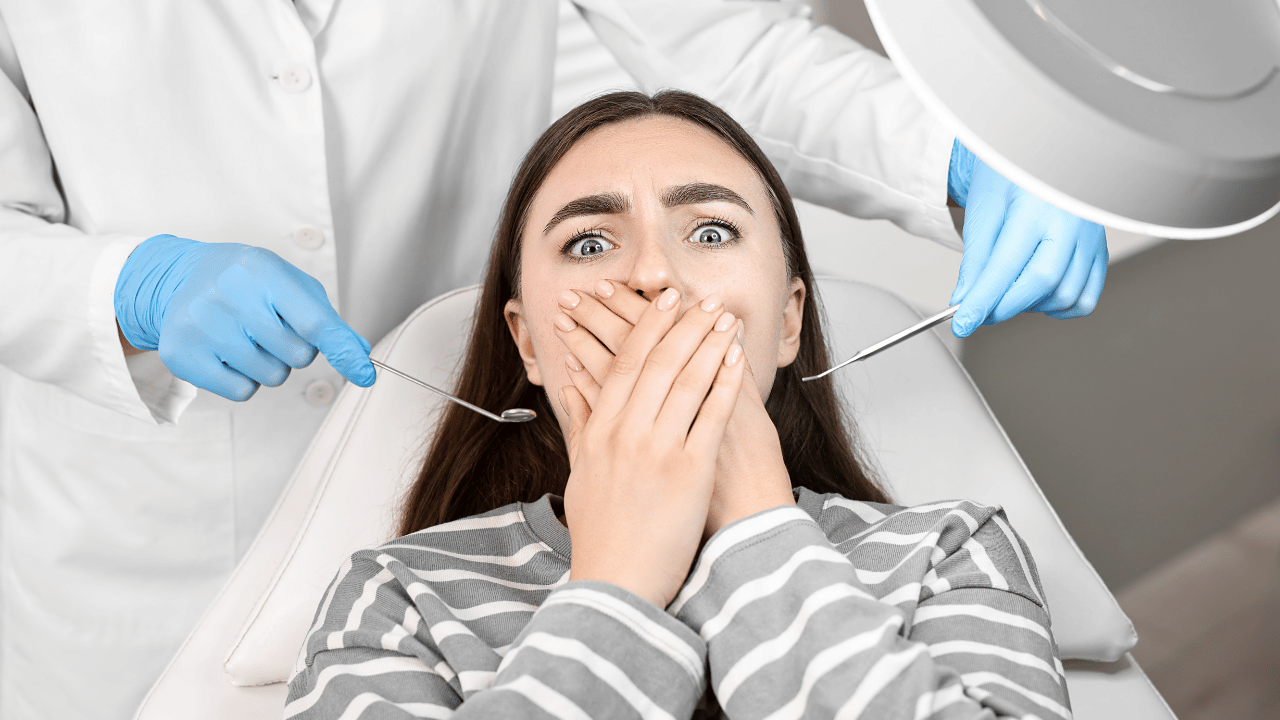
“Gentle” care means minimizing pain, maximizing patient control, and using clear communication plus small comforts to lower stress at every visit. We use plain-language explanations to reduce uncertainty, topical anesthetics and slow injection techniques to limit pain signals, and a measured pace with regular check-ins so you always know what’s coming next. Often these non-drug strategies reduce the need for stronger sedation and help patients feel more in control.
How does Tulsa Time Dental Design provide compassionate and painless treatment?
Our practice focuses on a judgment-free, patient-first approach that pairs clear communication, comfort amenities, and individualized pain control to lower anxiety. We use simple, proven methods: plain explanations, stepwise demonstrations, and a clear stop signal so you always know what to expect and can pause if needed. Tools like topical anesthetics, slow injection technique, and thoughtful pacing reduce pain signals and enhance comfort. If you’d like to learn more about our care philosophy or meet the team, including Dr. Rick Franklin, request a consultation or a meet-and-greet to plan the best approach for your comfort.
What comfort amenities and communication techniques reduce dental anxiety?
Small comforts and clear communication reliably lower dental anxiety by addressing sensory discomfort and uncertainty. Noise-reducing headphones, soothing music, and warm blankets shift attention from dental stimuli and loosen physical tension. Communication strategies tell-show-do, scheduled check-ins, and a patient-controlled stop signal set a predictable pace and let you pause or ask questions. Staff trained in empathetic listening and nonjudgmental responses create a safe space for honest conversations about fears. Layering these approaches often reduces the need for medication while improving the overall experience.
What practical tips help manage dental anxiety before and during dental visits?
Simple preparation and coping skills make visits less stressful and more effective. Plan logistics and mindset: book shorter appointments if that helps, bring a trusted companion, finish paperwork ahead of time, and tell the team about your medical history and anxiety concerns before you arrive. On the day, use relaxation techniques and distraction tools to lower arousal and stay in control. The checklist below offers straightforward steps to help you manage nerves before and during treatment.
Practical pre-visit checklist:
Communicate early: Let the office know you feel anxious so staff can prepare accommodations.
Arrange transport: If using oral sedation, plan for a ride home and someone to stay with you if needed.
Bring coping tools: Headphones, a stress ball, or a short relaxation script can help during treatment.
Request short breaks: Ask for a signal to pause or slow treatment when you need it.
These steps reduce uncertainty and create a collaborative plan with your dental team which often leads to calmer, more efficient care. Below are relaxation techniques worth practicing before and during appointments.
Which relaxation and distraction techniques are effective for dental nerves?
A few simple practices reliably lower acute dental anxiety by slowing your heart rate and redirecting attention. Try diaphragmatic breathing: inhale slowly for four counts, hold two, then exhale for six. This activates the body’s relaxation response. Guided imagery (picture a calm place) and progressive muscle relaxation (tense and release muscle groups) reduce tension. Distraction with music, podcasts, or a tactile tool like a stress ball shifts focus away from dental sensations. Practicing these techniques before your visit makes them more effective during treatment and gives you tools you can use again.
How can patients prepare for a stress-free dental appointment?
Preparation reduces surprises and boosts your sense of control, which lowers anxiety. Before your visit, complete intake forms, list medications and allergies, and note specific fears to share with your dentist. Advance disclosure lets the team tailor care. Arrive a little early to settle in and use a brief relaxation routine. If you’re using sedation, follow fasting and medication instructions and arrange transportation and rest afterward. These logistical and behavioral steps cut last-minute stress and help create a predictable, successful visit.
Why choose Tulsa Time Dental Design and Dr. Rick Franklin for overcoming dental fear?
Tulsa Time Dental Design is a local practice dedicated to comfortable, low-stress care with individualized treatment plans and sedation options when needed. We combine clinical experience in general, restorative, cosmetic, and implant dentistry with a patient-centered philosophy that values empathy and predictable, respectful care. Dr. Rick Franklin leads the team and emphasizes a judgment-free approach, using gentle communication and appropriate sedation to help patients get the dentistry they need without excessive fear. If you’re ready to explore anxiety-sensitive care, reach out for a consultation and we’ll create a plan that feels safe and manageable.
What experience and expertise does Dr. Rick Franklin bring to anxiety management?
Dr. Rick Franklin is the lead clinician at Tulsa Time Dental Design and provides comprehensive services including restorative work and implants alongside sedation options. His clinical background supports treating complex cases where anxiety and dental needs overlap, and he focuses on individualized treatment plans that balance clinical goals with patient comfort. That combination of skill and attention to experience helps anxious patients receive effective, minimally traumatic care. Discuss sedation choices and gentle-care strategies during an initial consult to design a safe, comfortable treatment path.
What do patients say about overcoming dental anxiety at Tulsa Time Dental Design?
Patient feedback often highlights reduced anxiety, greater comfort during procedures, and appreciation for personalized care reflecting our focus on a calm, respectful environment. Reviews commonly mention that clear explanations, a stop signal, and sedation options made difficult treatments manageable and less intimidating. Prospective patients find reading reviews, scheduling a meet-and-greet, or requesting a sedation consult helpful for setting expectations. If you’re ready to ask about sedation or gentle-care options, Tulsa Time Dental Design serves Tulsa, OK and nearby areas and is led by Dr. Rick Franklin. Contact us to discuss next steps.
Conclusion
Dental anxiety is treatable. With practical strategies and compassionate care, most people can receive the dentistry they need without overwhelming fear. Understanding the causes and available solutions lets you take clear steps toward calmer visits. We invite you to explore personalized options at Tulsa Time Dental Design. Our team is dedicated to making your appointments as stress-free as possible. Contact us today to begin your path to anxiety-free dental care.