
The Best Techniques for Threading Floss with Braces
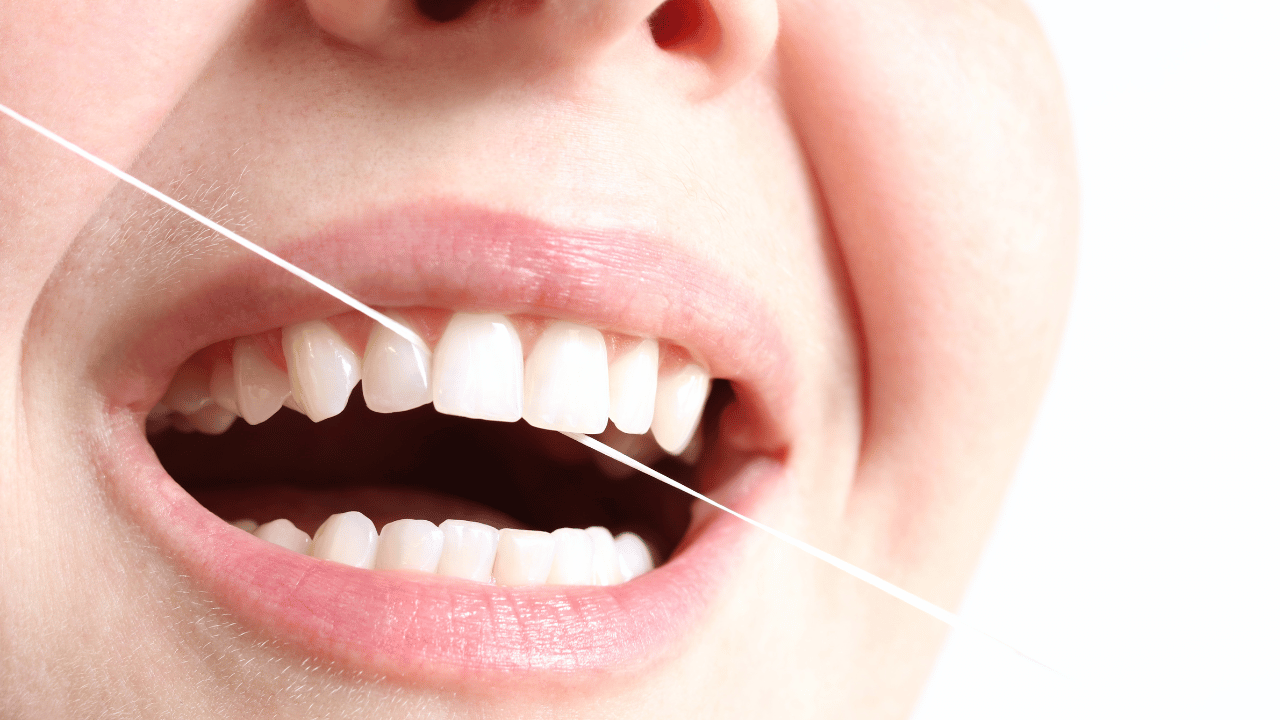
Flossing with braces means cleaning between teeth and around brackets and wires to remove plaque and trapped food. That daily habit lowers your risk of gum disease and tooth decay and keeps your orthodontic treatment on track. This guide walks you through why flossing matters, which tools work best, clear step‑by‑step techniques for both manual and device-assisted flossing, and how to handle common problems like bleeding or lodged food. Threading floss under wires and using interdental brushes can feel awkward at first, but with practical steps and the right tools, daily flossing becomes quick and effective. You’ll learn when to use floss threaders, Super Floss, water flossers (oral irrigators), and interdental brushes, plus tips to avoid white-spot lesions and treatment delays. We also include clinic-recommended tips and quick how-to steps you can add to your routine.
TL;DR
Flossing with braces removes plaque and food from around brackets and wires.
This daily habit reduces the risk of gum disease, tooth decay, and keeps orthodontic treatment on track.
The guide covers why flossing is important, the best tools, and step-by-step techniques.
It also addresses common issues like bleeding gums or lodged food.
Learn about floss threaders, Super Floss, water flossers, and interdental brushes.
Includes tips to prevent white-spot lesions and treatment delays.
Why Is Flossing Crucial When You Have Braces?
Brackets and wires create extra spots where plaque hides, which raises the chance of gum inflammation and enamel breakdown if not removed. Floss and interdental tools physically break up biofilm under ligatures and along bracket edges, lowering the bacteria that cause cavities and white‑spot lesions. Daily interdental cleaning supports preventive dentistry by keeping gums healthy and helping avoid treatment delays from decay or infection. Current research and clinical guidance stress consistent daily flossing as the best defense against the common problems that come from poor braces hygiene. Understanding how and why flossing works makes it easier to follow the steps that protect your smile.
Regular flossing removes plaque buildup, lowers gingivitis risk, and cuts cavity chances by physically disrupting bacteria-laden biofilm around brackets and wires. That mechanical action reduces local acid production at the enamel surface and calms inflammatory signals in gum tissue, which protects periodontal health while teeth move. Daily flossing complements careful brushing and professional cleanings to reduce the specific risks braces introduce. The next section explains exactly how flossing interrupts the disease process and protects teeth.
How Does Flossing Prevent Plaque, Gum Disease, and Cavities with Braces?
Flossing clears the sticky biofilm that forms between teeth and along bracket margins where a toothbrush can’t reach. When floss reaches below a bracket or wire, it breaks up bacterial colonies and removes food particles, lowering acid production that drives enamel demineralization and cavities. Regular interdental cleaning eases gum inflammation, cuts bleeding, and helps prevent reversible gingivitis from progressing into more serious periodontal problems. Together, these benefits reduce the chance of white‑spot lesions and other treatment complications, so flossing becomes one of the most important steps in braces care.
Removing plaque also helps enamel remineralize after acid exposure: with less biofilm, saliva and fluoride from toothpaste or rinses can work more effectively to repair early damage. Consistent interdental care ties directly to fewer restorative procedures and smoother orthodontic progress, which is why daily flossing is recommended throughout treatment.
What Are the Risks of Not Flossing Properly with Braces?
Not flossing enough or using the wrong technique lets plaque build up around brackets and wires, which commonly leads to gingivitis: red, swollen, or bleeding gums. Ongoing biofilm increases the chance of cavities at contact points and can produce visible white‑spot lesions, permanent signs of enamel demineralization. Poor flossing may also mean extra dental work, which can delay orthodontic milestones or interfere with planned tooth movement. If left unchecked, these problems can progress into more advanced periodontal issues, so spotting early signs and improving your routine matters.
Beyond health, neglected hygiene can harm the final look of your smile, making prevention much easier and less costly than later fixes. The next section walks through the best flossing tools to make daily care practical and comfortable.
What Are the Best Flossing Tools for Braces Patients?
The right tool depends on your dexterity, how much plaque is building up, and what feels comfortable. Common, effective options include floss threaders, Super Floss, water flossers (oral irrigators), interdental (proxy) brushes, and orthodontic floss picks. Each reaches bracket-adjacent areas differently: threaders and Super Floss allow full contact under wires; water flossers rinse debris from around brackets; interdental brushes clean larger gaps and banded areas. Matching the tool to your needs (ease of use, effectiveness around brackets, and time you can spend) improves consistency and outcomes. Many clinicians recommend starting with a floss threader or Super Floss for daily contact cleaning, then adding a water flosser for extra debris flushing when needed.
Effectiveness of Interdental Cleaning Aids for Orthodontic Patients
Orthodontic appliances make oral hygiene harder because plaque can hide around brackets and wires, where traditional floss sometimes fails. This narrative review compares interdental aids, such as dental floss, Super Floss, floss holders, interdental brushes, wooden aids, and oral irrigators, for plaque removal and gingival health in orthodontic patients. Randomized trials and systematic reviews show interdental brushes and oral irrigators often reduce interproximal plaque and gingival inflammation more than traditional floss. Interdental brushes excel at mechanical plaque removal, while oral irrigators reduce gingival bleeding and inflammatory markers. Super Floss helps reach under wires and around brackets, while wooden aids are simple but less effective. Clinically, combining aids based on patient needs often gives the best result.
We recommend choosing tools that balance clinical effectiveness and what you’ll actually use. Ask your dental hygienist at your next visit for hands-on demonstrations and help selecting sizes and settings that match your brackets and mouth anatomy.
Often, the best plan pairs a manual tool (threader or Super Floss) with a water flosser or interdental brush for daily maintenance. The next sections explain how each tool works and when to use it.
How Does a Floss Threader Help You Floss with Braces?
A floss threader is a flexible loop that pulls floss beneath orthodontic wires so the floss can reach contacts and bracket edges. To use one, thread a length of floss through the loop, guide the threader under the archwire, pull the floss through, then wrap the floss in a gentle C-shape around each tooth and move it up and down along the sides. Threaders are especially useful for tight contacts or around ligatures because they let the floss touch enamel even with fixed appliances in place. Regular use removes biofilm effectively and lowers the risk of white‑spot lesions.
You’ll get faster and more comfortable with practice. Carrying pre-cut floss segments and replacing worn threaders keeps the routine efficient. If threading every space feels too slow, alternate with Super Floss or a water flosser to keep up with daily interdental cleaning.
What Are the Benefits of Using a Water Flosser for Braces?
A water flosser (oral irrigator) uses a targeted stream to flush food and loose plaque from around brackets and under wires, helpful if finger dexterity is limited. Clinical studies and experience show water flossers reduce gum bleeding and can reach around hardware more easily than string floss for some people, making them a great supplement to manual flossing. Start on a low-to-medium pressure, hold the tip at a 45-degree angle to the gum line, and pause briefly between teeth to dislodge trapped debris. Water flossers work best when used daily alongside at least one session of manual flossing for direct contact cleaning where needed.
Water Flossing vs. Interdental Flossing for Orthodontic Oral Hygiene
Orthodontic appliances create challenges with plaque around brackets, archwires, and elastics, often requiring more than toothbrushing alone. This study compares water jet flossing and interdental flossing to see how well they maintain oral hygiene during active orthodontic treatment.
Many patients stick with a water flosser because it feels faster and more comfortable than string floss, especially when mornings are rushed. The next subsection explains how interdental brushes fit into your routine.
How Do Interdental Brushes Complement Flossing with Braces?
Interdental (proxy) brushes are small, tapered brushes that clean between teeth and around bracket bases where string floss may not fully contact both surfaces. Pick a size that slides in gently without forcing, then insert at a 45-degree angle and move the brush back and forth 2–3 times to clean plaque near brackets and bands. Rinse the brush after each use and replace it when bristles spread. Interdental brushes are especially helpful for larger spaces and areas where floss or water jets miss, giving you a more complete daily cleaning.
Using a floss threader plus an interdental brush for wider gaps often balances effectiveness and speed. The next section gives clear, step-by-step instructions for each technique.
How Do You Floss with Braces Step-by-Step?
Flossing with braces follows repeatable steps, so the floss contacts the enamel and removes plaque around hardware. Common methods include manual flossing with a threader, water flosser setup and use, and interdental brush cleaning. Building a routine with time estimates, a consistent order, and basic safety tips makes daily flossing realistic and effective. Below are easy-to-follow instructions you can use at home, with estimated times and tools so you can plan a routine that fits your schedule.
What Is the Proper Technique for Manual Flossing Using a Floss Threader?
Cut a 12–18-inch piece of waxed floss and thread one end through the threader loop. Guide the threader under the archwire so the floss passes between the tooth and bracket. Keep the floss tight and use a gentle C-shape to wrap the floss around each tooth, moving up and down along the sides and down to the gumline without snapping. Re-thread for each contact; expect about 10–15 minutes for a full mouth at first, and you’ll speed up with practice. Don’t force the floss if it snags. Stop, re-thread, and avoid bending ligatures or wires.
Working in front of a mirror and using pre-cut segments will help. Ask your hygienist at a visit to check your technique if you’re unsure.
How to Use a Water Flosser Effectively with Braces?
Fill the reservoir with warm water, choose a low-to-medium pressure, and attach a narrow or orthodontic tip if available. Start at the back and work forward while leaning over the sink. Hold the tip at about 45 degrees to the gum line and pulse the stream along the gum margin and around bracket bases for two to three seconds per tooth to loosen debris. Use the interdental setting for targeted flushing between teeth and around bands. A full-mouth session usually takes one to three minutes. Finish with a quick rinse and, if recommended by your hygienist, an antimicrobial mouthwash.
Remember: water flossers are a great supplement, but should be combined with at least one session of manual flossing daily for direct contact cleaning where needed.
How to Clean Between Braces Using Interdental Brushes?
Select an interdental brush that fits comfortably without forcing. Insert it gently at a 45-degree angle and move it in-and-out 2–3 times to clean plaque near bracket bases and banded areas. Focus on gaps created by orthodontic movement and larger embrasures. Rinse the brush after each use and replace it when the bristles splay. Interdental brushes are especially effective where floss doesn’t contact both surfaces, so include them once daily with your other flossing methods for fuller coverage.
Practice size selection and placement with a hygienist to speed the process and avoid gum irritation.
What Are Common Flossing Challenges with Braces and How Can You Solve Them?
Common issues include bleeding gums, food caught under wires, and flossing discomfort. Each problem has simple home remedies and longer-term strategies to restore comfort and hygiene. Figuring out the cause (poor technique, infrequent cleaning, or plaque-induced inflammation) guides fixes such as gentler technique, antiseptic rinses, or switching to Super Floss or interdental brushes. If home care doesn’t help within a week, or if you see signs of infection, schedule a professional evaluation. Troubleshooting quickly reduces anxiety and prevents small problems from affecting treatment.
Bleeding gums usually mean inflamed tissue from plaque. Increase gentle daily flossing, use a soft toothbrush, and rinse with warm saline or a short-term antiseptic rinse as your hygienist advises.
Food stuck in braces often results from sticky foods or skipped cleanings. Remove debris with a floss threader or interdental brush and avoid sticky items that re-trap particles.
Discomfort during flossing can be eased by shorter sessions, applying orthodontic wax over sharp spots, or using a water flosser while inflammation settles.
How Can You Manage Bleeding Gums When Flossing with Braces?
Bleeding during flossing typically signals gingival inflammation from plaque. Start with gentle, consistent cleaning to reduce bacterial load and let tissues heal. Use a softer technique, avoid force, and rinse with warm saline a few times a day to soothe gums; a short course of an over‑the‑counter antiseptic rinse may be advised by your hygienist. If bleeding comes with severe pain, swelling, or pus, seek prompt care, those are signs of infection. With improved plaque control, bleeding often decreases within a week; persistent bleeding should prompt a hygiene visit.
A professional cleaning and tailored instruction from a hygienist usually resolves chronic bleeding and restores healthy gum tissue.
What Are Tips for Removing Food Stuck in Braces After Flossing?
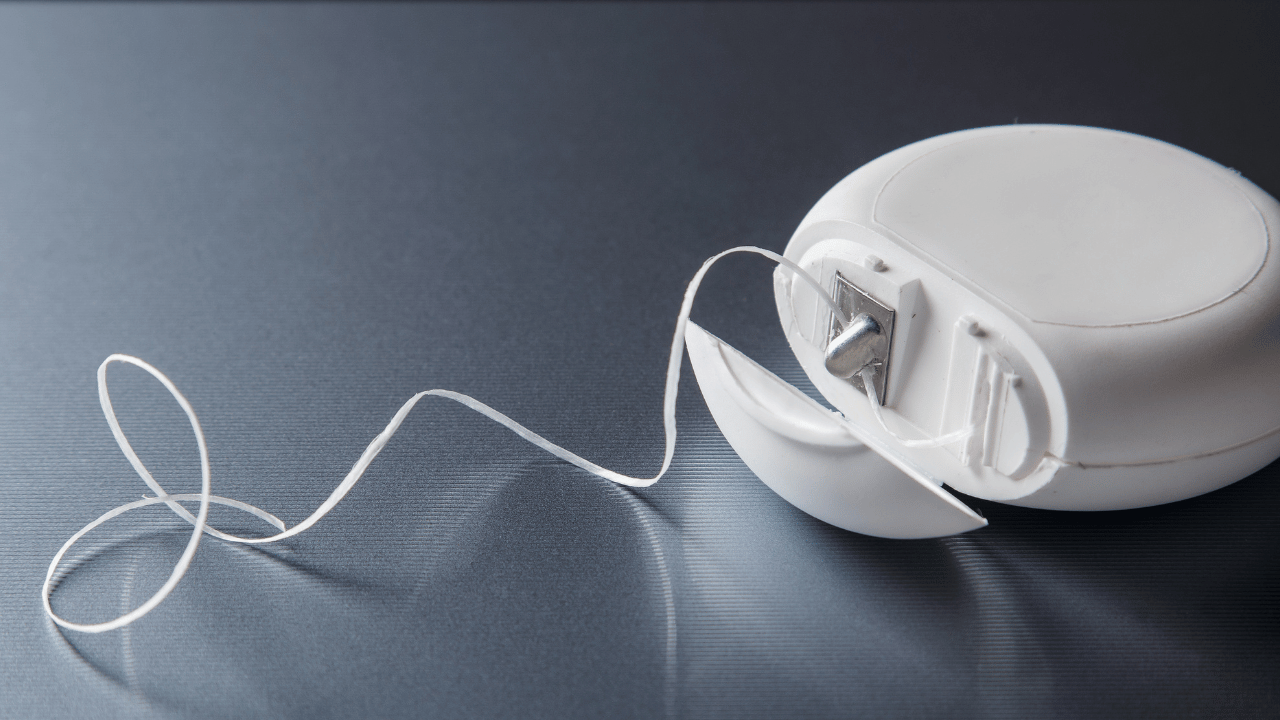
If food gets lodged, use a mirror and good lighting, then gently work a floss threader or interdental brush to dislodge the particle without levering on wires or brackets. Avoid metal tools, sharp objects, or force that could bend wires or knock off brackets. A low-pressure water flosser can often flush out stubborn pieces. Eat softer, non-sticky foods until the area is clear and rinse with warm saline to help loosen debris. If you can’t remove the item safely, contact your dental team for an in‑office removal to avoid hardware damage.
These precautions protect your orthodontic appliances while getting you comfortable again. Learning safe removal techniques also prevents costly repairs.
How Can You Reduce Discomfort During Flossing with Braces?
Make flossing less uncomfortable by using gentler motions, shortening initial sessions, and covering irritating spots with orthodontic wax. Over‑the‑counter topical gels can temporarily numb sore areas, and short daily sessions help tissues adapt and inflammation subside. For high anxiety or intense sensitivity, ask your dental provider about options for hands-on instruction or sedation during a hygiene visit. Gradual exposure, combined with tools like water flossers, usually builds tolerance and leads to consistent flossing habits.
Pairing comfort strategies with professional guidance helps you maintain a long-term routine that protects teeth and gums during treatment.
How Can You Maintain a Complete Oral Care Routine While Wearing Braces?
Keeping a complete oral care routine with braces means combining targeted flossing with careful brushing, smart diet choices, and scheduled professional cleanings to prevent plaque-related problems. Use an orthodontic or soft-bristled brush at a 45-degree angle, brush above and below brackets, and spend a full two minutes brushing with fluoride toothpaste. Limit sticky, hard, and sugary foods to reduce trapped debris and acid exposure. Regular dental checkups and cleanings catch early white-spot lesions and allow coordination with your orthodontist so treatment stays on schedule.
A consistent routine (manual flossing, water flossing, interdental brushes, and professional maintenance) gives the best protection. The next sections outline brushing technique, diet tips, and why checkups matter.
What Are the Best Brushing Techniques for Braces Patients?
Brush with a soft or orthodontic brush held at about 45 degrees to clean above and below brackets, using short circular or gentle back-and-forth strokes around each bracket. Aim for two full minutes total. Electric brushes with compact heads and oscillating-rotating motion often clear plaque more efficiently around hardware, while manual brushes require careful angulation and a bit more time. Don’t forget chewing surfaces and the gumline, and consider a fluoride rinse afterward for added enamel protection. Practicing these motions during a hygiene visit helps you get pressure and angles right at home.
How Does Diet Affect Oral Health When You Have Braces?
Your diet matters because sticky or chewy foods cling to brackets and wires, and hard foods can damage appliances. Both make cleaning harder and raise plaque risk. Avoid caramels, gum, hard candies, and very crunchy snacks. Choose water, cut raw vegetables into bite-size pieces, and include dairy that supports enamel. Frequent sugary snacking prolongs acid exposure and increases cavity risk; spacing meals and rinsing or brushing after eating lowers that risk. Staying hydrated helps saliva buffer acids and wash away debris, supporting your hygiene efforts.
Mindful eating plus consistent cleaning reduces emergency visits and protects enamel while your teeth move.
Why Are Regular Dental Checkups Important for Orthodontic Patients?
Regular checkups let professionals remove plaque around brackets, spot early white-spot lesions, and coordinate care with your orthodontist to avoid delays. Hygiene visits include focused cleaning around bands and under wires that are hard to reach at home, plus personalized instruction to improve your technique. These appointments also monitor gum health and restorative needs so orthodontic progress isn’t interrupted by preventable issues. Scheduling cleanings at intervals recommended by your dental team helps catch problems early and preserves both oral health and treatment timelines.
Professional oversight complements good home care, and the next section explains when to seek Tulsa‑based in‑office help for braces hygiene concerns.
When Should You See Your Tulsa Dentist for Braces Oral Hygiene Support?
See a professional if bleeding continues despite better home care, if trapped food can’t be removed safely, if pain is persistent, or if you notice signs of infection. Regular hygiene visits during orthodontic treatment prevent enamel damage and give hygienists a chance to demonstrate techniques tailored to your braces. Local support from a trusted clinic can also reassure nervous patients and speed skill-building with flossing tools. Below, we outline how Tulsa Time Dental Design can support you, including sedation options when anxiety gets in the way of effective care.
If problems persist or you prefer in‑person coaching, Tulsa Time Dental Design offers preventive-focused hygiene visits and patient-centered instruction to improve flossing with braces and protect treatment outcomes. We prioritize a calm, supportive visit and can coordinate care with your orthodontist or Invisalign provider. For anxious patients, sedation options are available to make hygiene visits more comfortable and to allow hands-on demonstrations from clinicians like Dr. Rick Franklin. That personalized instruction helps patients build habits that preserve oral health through treatment.
How Can Tulsa Time Dental Design Help You with Orthodontic Hygiene?
At Tulsa Time Dental Design we provide preventive-focused hygiene visits that include one-on-one instruction on flossing techniques for braces, live demonstrations of floss threader and interdental brush use, and coordination with your orthodontic provider when needed. Our team creates a calm, supportive environment where you can learn efficient routines and pick the right tools for your mouth. Patients who struggle with technique or anxiety receive targeted coaching from experienced hygienists and clinicians, with demonstrations tailored to specific bracket types or Invisalign follow-up. Scheduling a hygiene consult connects you with step-by-step guidance and practical strategies to keep teeth and gums healthy throughout orthodontic treatment.
These personalized services make it easier to turn clinic guidance into consistent at-home habits that protect enamel and gum health. The following section covers sedation options for nervous patients.
What Sedation Options Are Available for Patients Anxious About Flossing with Braces?
If anxiety prevents effective hygiene or hands-on instruction, sedation can help you get comfortable for a focused cleaning and demonstration. Sedation options are discussed during a consult so we can match the level of support to your needs and ensure safety. Using sedation for an initial instructional session can speed a patient’s ability to floss independently and reduce avoidance-driven lapses. If anxiety is a barrier, talk to our team during a hygiene appointment to find the right plan for comfortable, effective care.
A short consult with our dental team will explain which sedation choices best support your needs and how they can help you build flossing skills while keeping the visit comfortable. If you’re ready to book a hygiene visit or want hands-on guidance, Tulsa Time Dental Design can help with personalized instruction in a comfort-focused setting.
Key signs to schedule an in‑office visit include persistent bleeding, inability to remove trapped food, severe pain, or worry about enamel changes.
This article covers the tools, techniques, troubleshooting, and when to seek professional care for flossing with braces: everything you need to keep your mouth healthy during orthodontic treatment.
Floss with Ease
Flossing with braces is a small daily habit that delivers big results: it removes plaque, lowers the risk of cavities and gum disease, and helps your orthodontic treatment proceed smoothly. Using the right tools and techniques makes cleaning around brackets and wires practical and effective. If you’d like personalized guidance, our hygienists can show you techniques that fit your braces and your routine. schedule a hygiene visit with our team today, and we’ll help you protect your smile.