
Your Guide to Tooth Extraction and Root Canal Alternatives
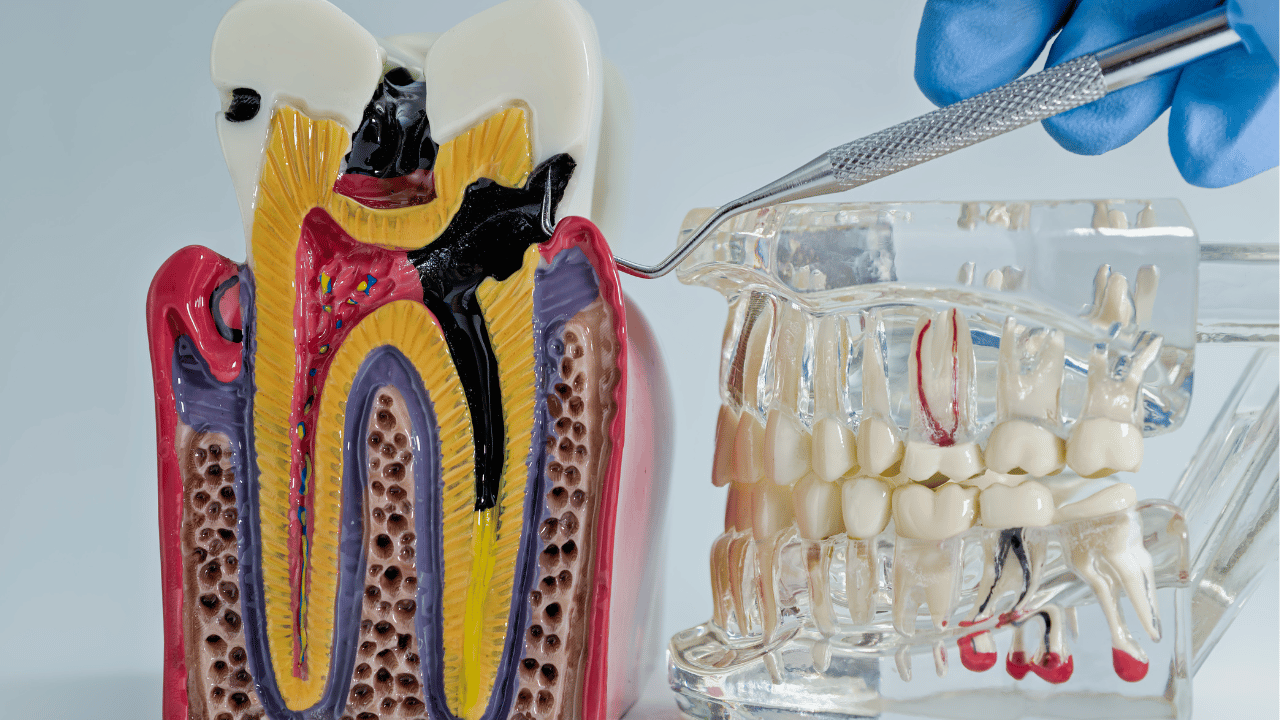
When a tooth has deep decay or infection, many people wonder whether a root canal is their only option. The short answer: not always. A root canal removes infected pulp and seals the tooth to preserve function, but there are valid alternatives depending on how restorable the tooth is, your medical history, personal preferences, and whether newer regenerative approaches are suitable. This guide walks through the main clinical choices, extraction with replacement, pulp-preserving treatments, and regenerative endodontics, while comparing benefits, downsides, typical costs, and recovery expectations. You’ll learn how dental implants, bridges, or dentures after extraction, pulp capping and pulpotomy, and emerging regenerative techniques compare to root canal therapy, plus how sedation and financing can influence decisions. We also outline practical steps for anxious patients and give Tulsa-specific cost context so you can weigh prognosis, invasiveness, and your priorities before booking an evaluation.
TL;DR
Extraction with Replacement: Options like dental implants, bridges, or dentures.
Pulp-Preserving Treatments: Conservative approaches such as pulp capping and pulpotomy.
Regenerative Endodontics: Emerging techniques to restore pulp vitality, especially in immature teeth.
Considerations: Benefits, downsides, costs, recovery, sedation, and financing.
What Are the Main Alternatives to a Root Canal?
When saving a tooth isn’t the best or preferred route, clinicians consider several alternatives that differ in invasiveness, prognosis, and cost. Common options include extraction with replacement (implant, bridge, or denture), conservative vital-pulp therapies like pulp capping or pulpotomy, regenerative endodontic procedures aimed at restoring pulp vitality, and surgical options such as apicoectomy in selected cases. Each choice has specific indications and trade-offs related to remaining tooth structure, infection control, treatment timeline, and future maintenance. Below is a clear comparison, followed by a closer look at implants and when extraction is the appropriate first step.
Tooth Preservation Options
Root Canal Therapy is a common procedure that involves removing the infected pulp, thoroughly cleaning and sealing the canals, and then restoring the tooth, usually with a crown. The typical pro is that it preserves your natural tooth and offers a strong, long-term prognosis when the tooth is restorable. However, it may require multiple visits and can be costly when the anatomy is complex. In the Tulsa area, the typical cost range is $800–$1600.
More conservative options exist for less extensive damage. Pulp Capping / Vital Pulp Therapy involves applying a medicament to preserve the pulp after limited exposure. This is a less invasive approach that preserves pulp vitality when appropriate. The typical con is that it is only appropriate for limited pulp damage and carries a higher risk of failure if case selection is poor. The cost range is generally $200–$700.
A more advanced option is Regenerative Endodontics, which uses biologic protocols to encourage tissue regeneration, often in immature teeth. This offers the potential to restore the pulp and encourage root development. However, it is an emerging technique with less predictable results in mature teeth. The typical cost is $900–$2,500.
Extraction and Replacement Options
If the tooth cannot be saved, replacement options are considered. Extraction + Dental Implant involves removing the tooth and placing a titanium fixture in the jawbone, followed by an abutment and crown. This provides a durable fixed replacement that preserves adjacent teeth from being altered. The typical cons are that it requires surgery, healing time, and sometimes bone grafting. The typical cost range is $2,500–$5,000.
Alternatively, Extraction + Bridge or Denture removes the tooth and replaces it with either a fixed bridge (cemented to adjacent teeth) or a removable denture. This option is usually faster and has a lower up-front cost than an implant. The typical cons are that it may affect neighboring teeth (the bridge requires altering them), and removable appliances need ongoing maintenance. The cost ranges from $700–$3,500.
Choosing between these options depends on the tooth’s condition, your budget and priorities, and the clinical outlook. The next sections dig deeper into dental implants and the situations that favor extraction.
How Do Dental Implants Serve as a Root Canal Alternative?
An implant replaces a non-restorable tooth by placing a biocompatible screw in the jaw, then adding an abutment and crown once the site heals. Implants are a reliable alternative when a natural tooth can’t be predictably saved because of severe damage, failed endodontic treatment, or recurrent infection. The typical workflow includes extraction if needed, implant placement, a healing period for osseointegration, and final restorative steps. Bone grafting or other adjunctive procedures can lengthen the timeline and increase cost. When considering implants, weigh the surgical and healing requirements against the long-term durability, function, and ability to leave adjacent teeth intact. Knowing candidacy criteria and maintenance needs helps you compare implants with saving a natural tooth and choose the path that best fits your goals.
That implant perspective naturally leads to situations where extraction is the recommended starting point for replacement planning.
When Is Tooth Extraction Recommended Instead of a Root Canal?
Extraction is usually recommended when a tooth is structurally unsalvageable, infection can’t be controlled with treatment, or a patient’s medical situation makes preservation risky. Clinical signs that favor extraction include fractures below the gumline, severe root resorption, poor periodontal support, or persistent infection after prior endodontic therapy. Sometimes patients choose extraction for financial or personal reasons. After removal, replacement options, implant, bridge, or denture, are selected based on function, appearance, budget, and medical suitability. Extraction often provides quick infection control and relief, but planning for restoration afterward is essential to prevent shifting teeth and bite changes. A careful exam and imaging determine whether extraction or root canal therapy best protects your long-term oral health; learn more about our approach to long-term care during a consult.
What Are the Benefits and Limitations of Regenerative Endodontics?
Regenerative endodontics focuses on restoring or replacing damaged pulp tissue and promoting continued root development using biologic techniques, unlike traditional root canals that remove pulp entirely. These protocols combine disinfection, scaffolds, and biologic signals to encourage tissue ingrowth and revascularization, with the aim of regaining vitality, strengthening thin roots, and improving prognosis, particularly in immature teeth. Benefits include potential for root maturation and retained tooth sensibility; limitations include less predictable results in fully developed teeth, strict case selection requirements, and a smaller evidence base compared with conventional methods. Recent research through mid-2024 shows encouraging outcomes for certain groups, but clinicians still evaluate regenerative options case by case because protocols and results vary.
Who Is a Candidate for Regenerative Endodontic Treatments?
Regenerative approaches are best suited to younger patients with immature permanent teeth that have open apices and interrupted root development from trauma or infection. These teeth stand to gain the most from continued root maturation. Candidates are those which a conventional root canal would leave thin-walled roots at greater fracture risk and where disinfection plus biologic stimulation may allow regeneration. Contraindications include severe canal calcification, advanced periodontal disease, or systemic conditions that impair healing; outcomes are more variable in older patients with fully formed roots. A specialist evaluation with imaging and careful infection control determines candidacy, and informed consent should cover the experimental aspects and close follow-up required for these protocols.
What Are the Success Rates and Future Potential of Regenerative Endodontics?
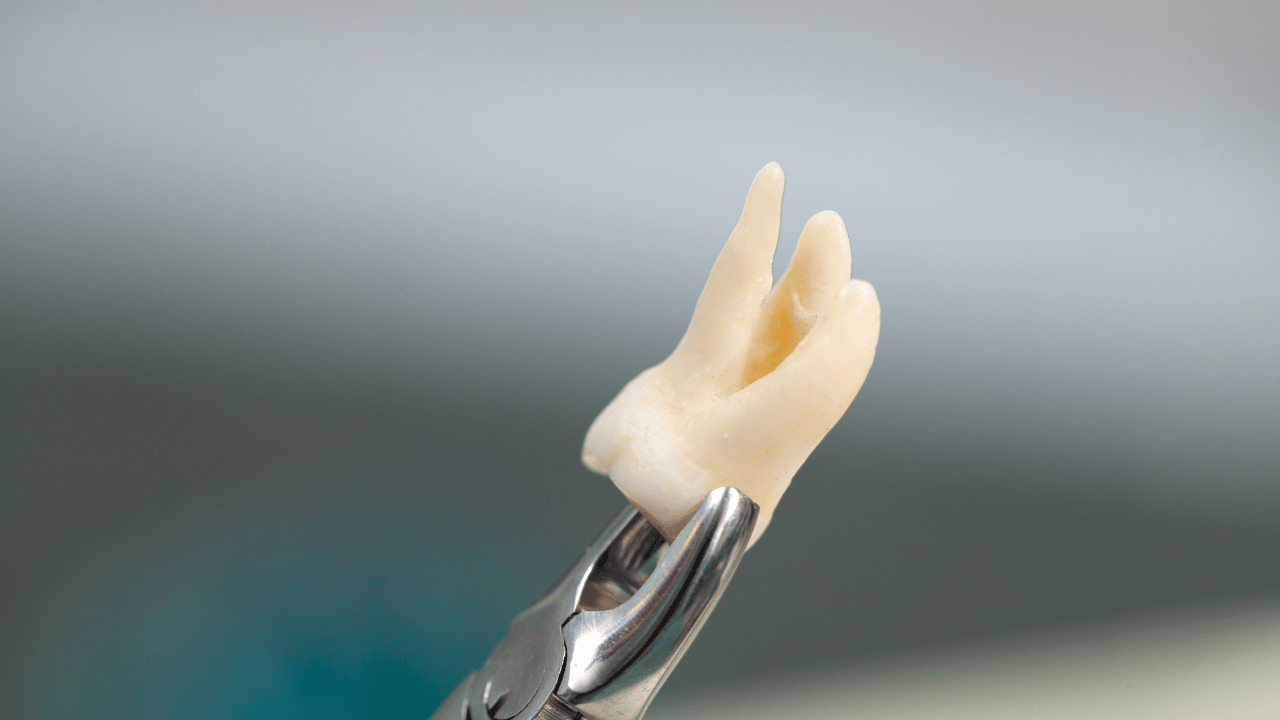
Success rates for regenerative procedures depend on tooth maturity, disinfection protocol, and how success is measured. Many studies report good short-term infection resolution but inconsistent long-term root maturation in mature teeth. For immature teeth, evidence frequently shows increases in root length and wall thickness plus symptom resolution; mature teeth have lower and less predictable regenerative responses. Key success factors include initial infection control, a tight coronal seal, and patient age. Ongoing research into scaffolds and growth factors aims to improve predictability. As techniques and materials evolve, clinicians expect wider application, but current practice emphasizes careful selection and transparent counseling about outcomes and follow-up.
How Can Pulp Capping and Vital Pulp Therapy Replace Root Canals?
Pulp capping and other vital pulp therapies are conservative options that preserve pulp vitality when the injury is limited or reversible. These treatments use medicaments and protective restorations to let the pulp heal instead of removing it. The clinician seals the exposure or near-exposure site, places a biocompatible material to promote reparative dentin, and restores the tooth to prevent recontamination. Advantages include preserving the tooth’s natural defenses and reducing invasiveness; limitations center on careful case selection, as these therapies work only when inflammation is limited and infection is controlled. Knowing the difference between direct and indirect pulp capping and when to use pulpotomy helps clinicians choose conservative care and avoid unnecessary root canal therapy.
Here are common scenarios where vital pulp therapies are considered and why they may be appropriate.
Recent, small pulp exposures from trauma or during cavity preparation are good candidates for direct pulp capping when infection is ruled out.
Deep decay with reversible pulpitis can often be treated with indirect pulp capping to avoid exposure while removing infected dentin.
Partial pulpotomy is appropriate when inflammation is limited to the coronal pulp and preserving the radicular pulp is feasible.
These conservative paths prioritize preserving pulp function when clinically safe and can reduce the need for more invasive procedures. The next section explains the procedural differences between direct and indirect pulp capping.
Professional organizations, including the European Society of Endodontology, have highlighted the effectiveness of vital pulp therapies (VPTs) in preserving tooth vitality, supported by better materials and growing clinical evidence.
Vital Pulp Therapies: Preserving Tooth Vitality with Modern Materials
Vital pulp therapies (VPTs) focus on keeping the dental pulp alive. The European Society of Endodontology has increased attention on VPTs following their 2019 position statement, addressing both specialists and general dentists. Reviews of current evidence offer practical guidance for managing exposed pulp with case examples. Success depends on accurate diagnosis, careful case selection, excellent treatment technique, and appropriate follow-up. New calcium silicate cements have made outcomes more predictable.
Current evidence favors calcium silicate cements over calcium hydroxide for many VPTs, although clinicians should consider possible material-related discoloration when selecting products.
Decisions between VPT approaches are driven largely by the pulp’s visual condition and the ability to control bleeding.
With careful selection and modern materials, teeth treated with VPTs demonstrate prognoses comparable to pulpectomy and root canal therapy, with root canal treatment remaining an option if VPT fails.
Preserving pulp vitality: part two, vital pulp therapies, S Stone, 2021
What Is the Difference Between Direct and Indirect Pulp Capping?
Direct pulp capping places a bioactive material directly onto an exposed pulp to encourage reparative dentin and preserve vitality; it’s used for small, pinpoint exposures in otherwise healthy pulp. Indirect pulp capping leaves a thin layer of affected dentin near, but not exposing, the pulp, then covers it with a protective material to halt decay and promote remineralization under a final restoration. Common materials include calcium hydroxide and mineral trioxide aggregate (MTA); newer calcium silicate materials emphasize biocompatibility and sealing ability. Success relies on strict asepsis, a durable coronal seal, and careful follow-up to watch for progression to irreversible pulpitis that would require root canal therapy.
This distinction helps decide when pulpotomy may be the better conservative alternative.
When Is Pulpotomy an Effective Alternative?
Pulpotomy removes the inflamed coronal pulp while leaving the radicular pulp intact. It’s commonly used in immature teeth with extensive coronal decay or trauma, where preserving root vitality supports continued development. In adults, pulpotomy can be an option when inflammation is confined to the coronal pulp and the clinician can achieve hemostasis and a reliable seal; success depends on accurate diagnosis and proper restorative coverage. Pediatric dentistry frequently uses pulpotomy to maintain function and guide root maturation; in select adult cases, it can bridge between pulp capping and full root canal therapy. Follow-up is essential to confirm symptom resolution and ongoing pulp health, after which a definitive restoration protects the tooth from reinfection.
How Does Sedation Dentistry Help Manage Dental Anxiety During Root Canal Alternatives?
Sedation dentistry reduces anxiety and discomfort, making it easier for patients to accept necessary treatments, whether conservative pulp therapy, extraction, or implant placement, and improving cooperation and the overall experience. By calming nerves and lowering perceived pain, sedation can allow complex or multi-step procedures to be completed more comfortably and sometimes in fewer visits. Safety and suitability are reviewed before treatment, and sedation is tailored to your medical history, the procedure’s complexity, and your comfort preferences. Knowing how sedation supports treatment often makes alternatives to root canal therapy feel more achievable for anxious patients.
What Sedation Options Are Available at Tulsa Time Dental Design?
Tulsa Time Dental Design offers sedation dentistry as part of our commitment to comfortable, stress-free care for patients facing extractions, implants, and restorative procedures. We use modern sedation techniques and a calming approach so patients can complete the necessary care they might otherwise avoid. Our team reviews medical history and treatment goals during the consultation to recommend the right sedation level and schedule a comfortable appointment.
Practice-level sedation support connects directly to better patient experience and treatment completion rates.
How Does Sedation Improve Patient Experience and Treatment Outcomes?
Sedation improves the patient experience by reducing anxiety, which in turn increases cooperation, lowers perceived pain, and reduces stress during procedures that might otherwise be avoided. When patients are calm, clinicians can work more efficiently and sometimes combine multiple steps into fewer visits, cutting total treatment time and lowering the chance of complications from incomplete care. Better comfort typically leads to higher follow-through on recommended restorations, supporting improved long-term oral health. Clear pre-visit instructions and medical screening are part of safe sedation care and help maximize benefits while minimizing risk for most patients.
What Are the Cost Considerations for Root Canal Alternatives in Tulsa?
Cost often plays a major role when deciding whether to save a tooth or replace it. Local price ranges reflect procedure complexity, any additional work (like bone grafting), and restorative needs such as crowns or bridges. Upfront costs for a root canal plus crown are often lower than implant-based replacement, but implants can be a durable investment that reduces future maintenance and preserves neighboring teeth. Other costs to keep in mind include imaging, grafting, specialist fees, and temporary restorations, all of which vary by case and affect total expense.
How Do Dental Implant Costs Compare to Root Canals and Extractions?
Implants generally cost more up front than a root canal plus crown or a simple extraction, but they often offer long-term durability and help preserve adjacent teeth, factors that can reduce lifetime costs. What raises implant fees are the needs for bone grafting, staged surgeries, and the quality of the final prosthetic crown; root canal costs increase with retreatments or specialist involvement. Extraction with a removable denture is typically the least costly immediate solution, but may require ongoing maintenance and can impact jawbone volume over time. When weighing options, consider immediate affordability alongside long-term durability, function, and the probability of future procedures.
This comparison leads to how Tulsa Time Dental Design supports patients financially and helps plan care.
What Financing Options Does Tulsa Time Dental Design Offer?
Tulsa Time Dental Design offers flexible financing and can guide patients on coverage options such as SoonerCare for eligible services like dentures and extractions. We take a consultative approach to financial planning, reviewing insurance benefits, payment plans, and phased treatment strategies during your visit to find a manageable path forward. Clear estimates, prioritized treatment plans, and open financing conversations at the initial consult reduce surprises and help you make an informed decision. Schedule a visit to receive personalized pricing and explore payment options that fit your situation.
How Can Patients Choose the Right Root Canal Alternative for Their Needs?
Deciding whether to save or replace a tooth means balancing clinical factors, overall health, budget, aesthetic goals, and your tolerance for procedures. A decision framework helps clarify priorities and likely outcomes by weighing tooth-specific issues (restorability, infection control), patient factors (systemic health, smoking, willingness for surgery), and practical concerns (cost, time off work, preference for fixed versus removable solutions). Shared decision-making, with imaging, prognosis discussion, and clear risk–benefit comparisons, empowers you to choose the option that best matches your goals.
What Factors Should Influence the Choice Between Saving or Replacing a Tooth?
Important factors include how much tooth structure remains and whether the tooth is restorable, how well infection can be controlled, your overall health, long-term prognosis, cost tolerance, and aesthetic or functional priorities. Clinicians also consider patient preferences about invasiveness, the desire to minimize visits, and willingness to undergo surgery. Prognostic indicators, like remaining tooth structure, periodontal condition, and past endodontic history, strongly influence whether saving the tooth is clinically reasonable. Discussing these factors openly with your clinician helps ensure the chosen plan matches both good medicine and your personal goals.
How Does Tulsa Time Dental Design Personalize Treatment Plans?
We personalize care by combining a thorough clinical exam, imaging, and patient-centered conversations to build a plan that accounts for clinical feasibility, sedation needs, and financing when appropriate. Dr. Rick Franklin and our clinical team assess each tooth’s prognosis, discuss conservative options like pulp therapy where appropriate, and present replacement strategies when needed, always explaining trade-offs and timelines. We emphasize patient comfort, modern techniques, and informed consent, helping you move from information to a scheduled evaluation when you’re ready. To get a tailored recommendation, schedule a consultation so we can review imaging, discuss sedation and financing, and provide a clear, written treatment plan.
Vital Pulp Therapy: Biologically Based Interventions for Tooth Health
Vital pulp therapy (VPT) includes biologic treatments designed to preserve the pulp’s vitality, an important part of overall tooth health. Interventions range from indirect pulp capping to direct pulp capping and pulpotomy.
Toward Precision in Management of Pulp Diseases: AI‐Powered Case Selection for Vital Pulp Therapy, PMH Dummer, 2025
Make The Right Choice Now
Understanding root canal alternatives helps you make a clear, informed choice about your dental care, balancing cost, invasiveness, and long-term outcomes. Options like implants, pulp therapies, and extractions each have their place depending on the tooth and your goals. Talk with a dental professional to review your situation so you can choose the solution that fits your needs. Schedule a consultation with Tulsa Time Dental Design to review your options and take the next step toward a healthier, more comfortable smile.